




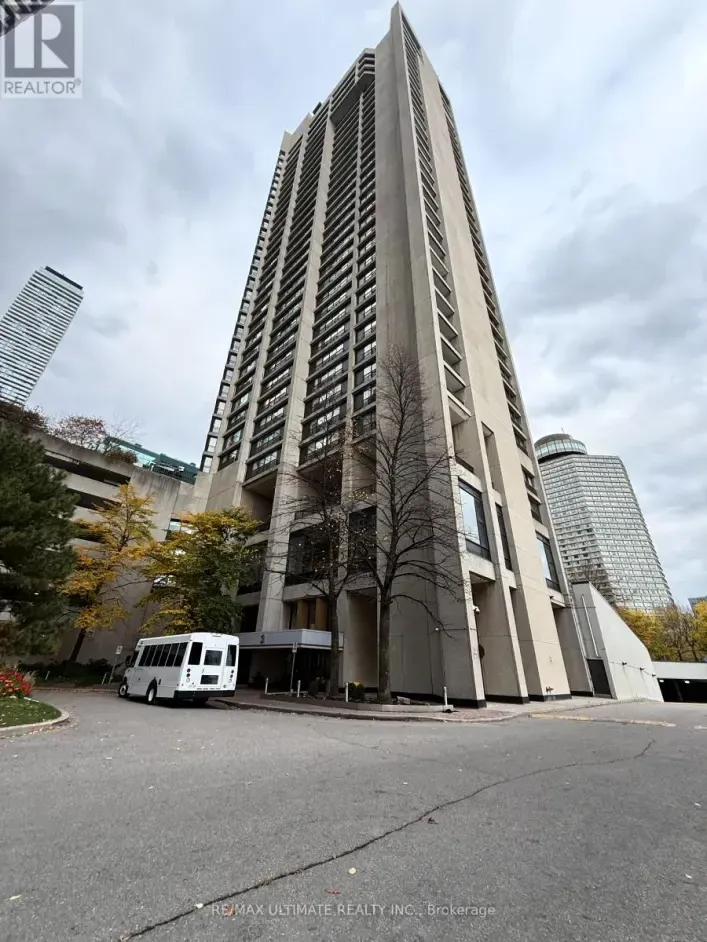





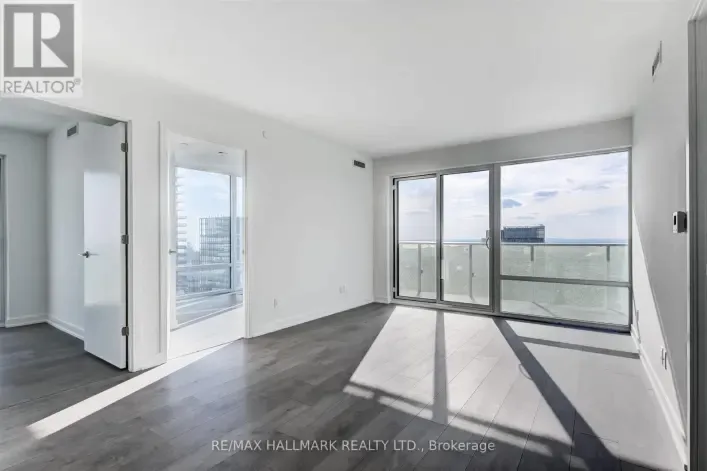



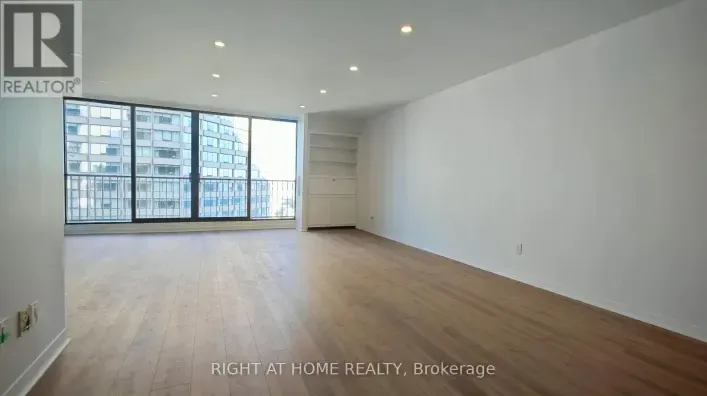







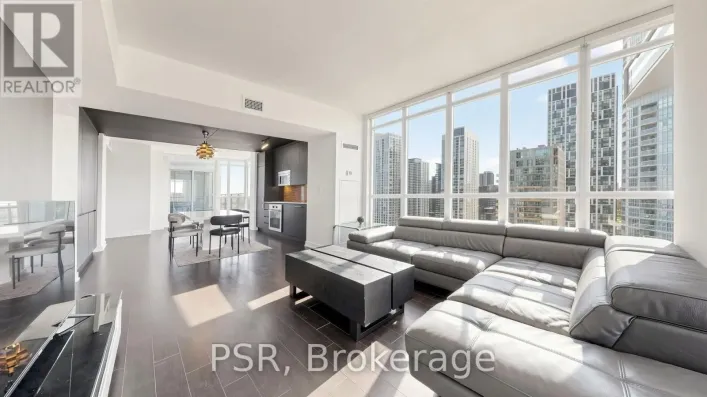

















Searching for “900 sq ft condo toronto” can turn up everything from a roomy one-bedroom with a den to a compact two-bedroom with two baths. The square footage is a useful starting point, but layout, carrying costs and the building’s financial health usually tell you more about how the unit will live and what it may be worth on resale.
Matching listings: 237
900 sq ft condo in Toronto: What does the space buy you?
A 900 sq ft condo is about 84 square metres. Whether a listing calls it a 900 sf apartment or shows the area as 900 ft2, ask how the measurement was calculated and whether the balcony or terrace is reported separately. On a showing, bring the dimensions of your sofa, dining table and beds. A long hallway or an awkward column can make a larger suite feel smaller than a well-planned unit with storage where you need it.
For a household sharing the space, bedrooms on opposite sides of the living room can make it easier to work from home or keep different hours. A couple may prefer a larger living area and a den, but should not assume the den qualifies as a bedroom. KeyHomes.ca is a useful resource for comparing listings such as two-bedroom homes around Yonge and Steeles and properties around Finch. Check the exact address and walk the route to transit: proximity on a map does not always translate into a convenient commute.
Zoning, condo rules and rental plans
Municipal zoning and condo rules answer different questions. Zoning governs land use; the condominium declaration, bylaws and rules can separately affect leasing, pets, renovations and use of common elements. If you plan to remove a wall or relocate plumbing, confirm what permissions the corporation requires and whether municipal permits apply. An appealing floor plan is not a reason to assume permission will be straightforward.
Toronto generally restricts short-term rentals of fewer than 28 consecutive days to the operator’s principal residence and requires registration. Entire-home short-term rentals are limited to 180 nights per calendar year. Municipal registration does not override condo restrictions. Verify the current city rules and the building documents before relying on any short-stay income. For longer tenancies, review Ontario’s Residential Tenancies Act: a unit first occupied for residential purposes after November 15, 2018 may be exempt from the provincial rent increase guideline, but that does not exempt it from other tenancy rules.
Location searches can also cross municipal boundaries. A suite near Steeles may be in Toronto or York Region, while homes near Falconer Drive in Mississauga are subject to Mississauga’s rules. Verify the municipality before making assumptions about rental licensing, zoning or property taxes.
Carrying costs, financing and resale potential
Compare the total monthly cost: mortgage payments, condo fees, property tax, insurance, utilities and any separately billed parking or locker rental. An older 900 sq ft apartment may have higher fees but include heat and water; a newer suite with lower fees may bill those separately. In Ontario, have a real estate lawyer review the status certificate and accompanying documents for reserve fund information, litigation, insurance and known or proposed special assessments. Buyers in Toronto should also budget for both Ontario and Toronto land transfer taxes, accounting for any rebates they qualify for.
For an investment purchase, ask your lender or mortgage broker how it will treat expected rent and condo fees in the qualification calculation. Then prepare your own cash-flow estimate with allowances for vacancy and repairs. If you are buying pre-construction, budget for possible interim occupancy fees before title transfers; those payments do not reduce your future mortgage principal.
Resale comparisons are strongest when they start with recent sales in the same building, then expand to nearby buildings of similar age and condition. A functional second bedroom, good daylight and in-suite laundry can broaden the buyer pool, but buyers may discount an awkward layout or uncertain future costs. When comparing homes around Jane and Finch with properties along the Martin Grove corridor, look at the actual transit trip, parking terms and day-to-day access to groceries rather than assuming similar square footage implies similar resale demand.
Seasonal timing and regional alternatives
Toronto’s spring market often brings more listings and more competing buyers. Winter can mean fewer showings and less choice, not necessarily a lower price. Interest rates and the supply of comparable suites can matter more than the calendar. Pay attention to recent sold prices, days on market and price reductions for your target building and unit type. When searching a street address such as “900 Cedar Street,” include the municipality and confirm the unit number before treating a result as a comparable.
Outside Toronto, the trade-off may be more space in exchange for a longer commute or greater car dependence. If you’re weighing Mattamy homes in Milton or properties near Saginaw Parkway in Cambridge, run the commute at your usual travel time and compare ownership costs on the same basis. With condos in Fergus, check how often comparable units actually sell; in a smaller market, a handful of sales may not establish a reliable price trend.
When the alternative is a seasonal property
Buyers comparing a city condo with properties in Vineland or condos in Beamsville should decide whether they want a low-maintenance weekend base or a detached retreat. For a rural cottage, confirm legal road access, winter maintenance, insurability and whether year-round use is permitted. If the property has a private well and septic system, review available permits and maintenance records, arrange appropriate inspections and test the drinking water. These are separate checks from a standard home inspection.
Spring and summer showings can make a seasonal property’s outdoor appeal obvious while leaving winter access and heating costs untested. Ask for utility and maintenance records and verify local short-term rental rules if occasional rental income is part of the budget. For condos, check who looks after the unit during extended absences and whether the insurer requires periodic visits.