
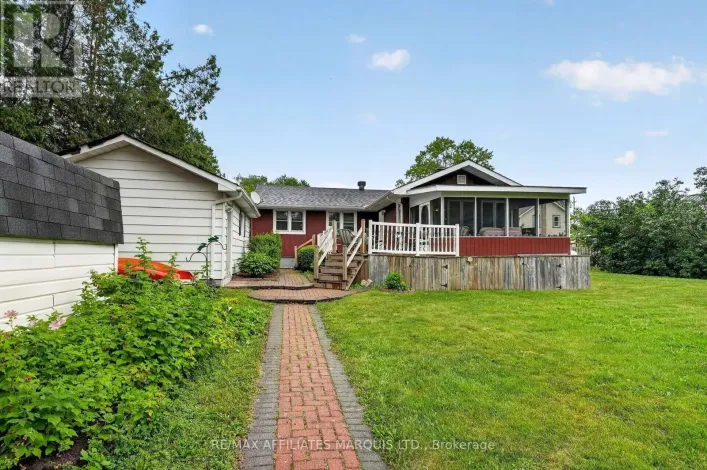


Martintown: What Ontario buyers and investors should know before they write an offer
Martintown is a small hamlet in South Glengarry, Eastern Ontario, set along the scenic Raisin River and within commuting distance of Cornwall, Alexandria, and the Ottawa–Montreal corridor. For buyers seeking a quieter setting, hobby acreage, or riverfront charm, Martintown can offer strong value compared with larger centres. That value depends on zoning, services (often well and septic), and conservation constraints around the river—factors that savvy buyers weigh early. As with any rural market in Ontario, local verification is essential; policies can vary by township and change over time.
Where is Martintown, and who is buying here?
Martintown sits in the Township of South Glengarry, part of the United Counties of Stormont, Dundas and Glengarry (SDG). It's typically a 15–25 minute drive to Cornwall and roughly an hour-plus to either Ottawa or Montreal (road conditions and exact destination matter). The area attracts:
- Move-up buyers looking for larger lots and workshop/garage space
- First-time buyers priced out of larger cities
- Downsizers seeking a simpler pace near family in Eastern Ontario
- Recreational buyers drawn to the Raisin River and nearby trails
- Investors considering long-term rentals or small multi-use properties in hamlet settings
The hamlet lifestyle is quieter, but day-to-day necessities are accessible in Cornwall or Alexandria, with bilingual services common. For broader market context and side-by-side property research beyond Martintown, buyers often reference KeyHomes.ca to compare rural Ontario listings with urban condos like the City Square Hamilton condo market or a bachelor condo near Yonge–Sheppard.
Zoning and land use: The fundamentals that shape value
Agricultural and rural parcels
Much of the land surrounding Martintown is zoned Agricultural (AG) or Rural (RU). AG zoning prioritizes crop and livestock production; new non-farm residential development is tightly regulated under the Provincial Policy Statement (PPS). Severances in prime agricultural areas are generally limited, with narrow exceptions (e.g., surplus farmhouse severances after farm consolidation). Expect Minimum Distance Separation (MDS) rules to govern how close new homes can be to barns and manure storage. Before offering on a parcel with barns or neighbouring farms, verify MDS implications with the Township of South Glengarry.
Hamlet residential and infill
Within Martintown proper, you'll encounter hamlet or village residential zoning that typically permits single-detached homes and small-scale accessory structures. Infill and additions can be viable, but older lots may not meet modern standards for setbacks or septic size. Confirm whether the property connects to municipal services (less common) or relies on private systems (more common). If you're considering a coach house, garden suite, or second unit, check local zoning permissions and any site-specific provisions.
Waterfront and conservation constraints
The Raisin River is a defining feature—and a planning constraint. The Raisin Region Conservation Authority (RRCA) oversees development near watercourses, floodplains, and hazards. Setbacks, permitting, and floodplain mapping can restrict additions, new structures, and grading changes. Overland flood insurance is not automatic; insurers assess risk by location and foundation type. Buyers should review RRCA regulations, conservation permits, and flood history prior to waiving conditions.
Water, septic, and rural services: Due diligence that protects your budget
Many Martintown-area homes have drilled wells and septic systems. Lenders frequently require a potable water test (bacteria, sometimes nitrates) and evidence of adequate flow. A septic inspection—ideally including pump-out and dye test—helps confirm tank condition and leaching bed capacity. If you plan to add bedrooms or a secondary suite, you may need a larger system or approvals.
Other practical checks:
- Heating and insurance: Wood stoves require WETT inspection; older oil tanks may need replacing for coverage.
- Electrical: Century homes can include knob-and-tube or fuse panels; insurers may require upgrades.
- Internet: Fibre is inconsistent; many residents rely on fixed wireless or satellite (e.g., Starlink). Confirm speeds before closing if you work from home.
- Entrance permits and road allowances: New driveways or changes to entrances may require municipal or county approval.
For buyers weighing rural cottages, comparing service considerations with a Port Rowan waterfront cottage or an Atlantic cottage near Shediac Bridge on KeyHomes.ca can help calibrate expectations for wells, septics, and shoreline rules across regions.
Market patterns and seasonal trends in and around Martintown
Seasonality is real. Inventory typically climbs through spring, aligned with the broader Eastern Ontario cycle. The Raisin River Canoe Race and improved road conditions bring more weekend viewers and relocations. Summer can remain active for waterfront and hobby/acreage buyers. Late fall and mid-winter generally cool, though serious buyers face less competition and more negotiability.
Investors should note that tenant demand is strongest in accessible hamlets near services and employment nodes like Cornwall. Rural vacancy can be low for well-maintained, energy-efficient homes with reliable internet. Conversely, properties with long commutes, high heating costs, or outdated systems may linger unless priced accordingly.
Resale potential: Features that tend to hold value in Martintown
- Dry basements and modernized building envelopes (insulation, windows, roofs) to manage rural winters
- Updated water and septic documentation (flow tests, pump-outs, permits) to smooth financing and insurance
- Functional outbuildings (insulated garages/shops) on year-round roads
- River adjacency with compliant setbacks and no history of basement flooding
- Internet reliability and cell coverage, especially for hybrid workers
- Zoning clarity—avoidance of floodplain encumbrances or MDS conflicts for future additions
Properties on oversized lots with mature trees and privacy edges tend to photograph well and draw broader buyer pools. Conversely, homes abutting busy county roads or known flood-prone stretches may underperform on resale unless priced with risk in mind.
Investment lens: Long-term rentals, short-term stays, and small commercial
Long-term rentals in Martintown can make sense w hen purchased at conservative price points with realistic maintenance and utility budgets. Pro formas should include snow removal, septic pump-outs, water testing, and higher rural insurance premiums.
Short-term rentals (STRs) are subject to municipal rules that can include licensing, occupancy caps, and parking standards. South Glengarry's stance has evolved; verify current bylaws with the Township and consider fire code, septic sizing, and insurance coverage specific to STRs. As a contrast, urban furnished rentals—like furnished options in Pickering—operate within different regulatory and market structures than rural hamlets.
Small commercial or mixed-use opportunities exist but require zoning alignment and sometimes site plan control. Environmental diligence is critical for sites with historical fuel or automotive uses. Reviewing a Montreal-area gas station listing can illustrate the type of environmental reporting lenders may expect even though regulatory regimes differ province-to-province.
Financing scenarios buyers ask about
Lenders approach rural properties cautiously. Key themes:
- Acreage and outbuildings: Some lenders limit conventional residential financing above a certain acreage or for properties with significant farm infrastructure. If a parcel shows agricultural income, commercial or ag lending may apply.
- Appraisals: Unique homes and hobby farms require experienced rural appraisers; allow time for scheduling.
- Well/septic: Expect conditions for potability and septic functionality; deficiencies can trigger holdbacks or re-inspection.
- Wood heat: Often acceptable as auxiliary heat, but most lenders want a primary, insurer-approved system (e.g., propane forced air).
It helps to compare rural Ontario files with other rural contexts—say, a cabin near Fort St. John—to understand how lenders weigh services, access, and market liquidity. For budget benchmarking, some buyers also review attainable-entry product like a three-bedroom mini home in Moncton, recognizing provincial lending nuances and lot-lease considerations.
“Martintown” lifestyle: River, trails, and practical realities
Life here is outdoors-oriented: paddling the Raisin River, local fairs, snowmobile routes, and quiet backroads. Winter prep matters—driveway maintenance, roof snow load management, and reliable backup heating. If you're eyeing a small acreage with water features, evaluate damming, wetlands, and safety; compare with an Ontario acreage featuring a spring-fed pond to understand common stewardship obligations and insurance questions.
For lake-lifestyle comparisons outside Eastern Ontario, look at a lake property in Buena Vista to see how Prairie shoreline setbacks differ from Ontario conservation authority rules—useful perspective when planning decks, docks, or boathouses.
Regional considerations that affect offers and development
- Development charges: New builds and major additions may trigger development charges or capital contributions. Confirm with South Glengarry.
- Source water protection: Certain activities near vulnerable areas may be restricted under Ontario's Clean Water Act. Ask the Township or RRCA if the subject property lies in a mapped zone.
- Heritage and age: Century homes can be designated/listed; alterations might need additional steps.
- Agricultural leases: Large parcels may be subject to crop leases that survive closing; review agreements and possession dates.
- Language and services: Expect bilingual service providers; clarify which school board boundaries you prefer (English Public/Catholic, French Public/Catholic).
How to research Martintown opportunities with confidence
Data-driven preparation is your edge in a rural market where each property is unique. KeyHomes.ca is a practical resource to explore Eastern Ontario listings, scan market data, and connect with licensed professionals familiar with township-level bylaws and lender expectations. For context, compare hamlet homes with urban inventory—from Hamilton's City Square condos to Yonge–Sheppard micro-units—so your offer strategy in Martintown reflects both local comparables and broader affordability trends.