


Severn Bridge: Practical Guidance for Buyers and Investors
Severn Bridge sits at the southern gateway to Muskoka, straddling the corridor between Orillia and Gravenhurst along Highway 11 and hugging the Trent–Severn system. For buyers considering a year-round home, a four-season cottage, or a small investment property, Severn Bridge offers a mix of rural privacy, river and lake access, and approachable price points compared to the core Muskoka towns. This overview focuses on zoning realities, resale drivers, seasonal market patterns, and on-the-ground considerations that routinely affect outcomes for purchasers in Severn Bridge.
Market Snapshot: Severn Bridge
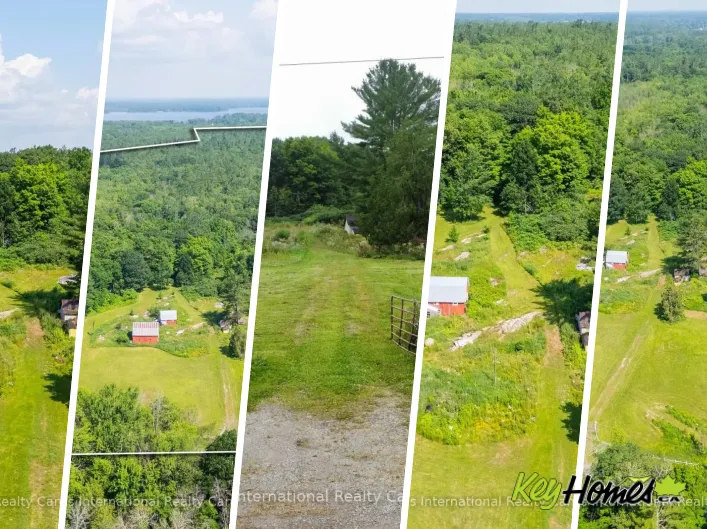
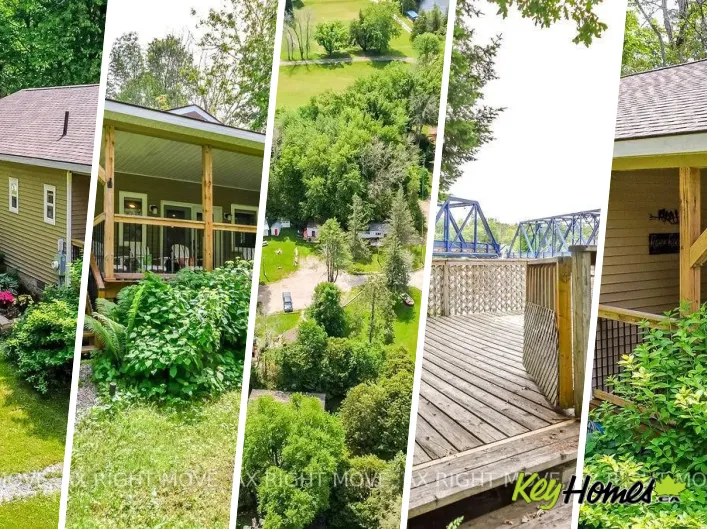
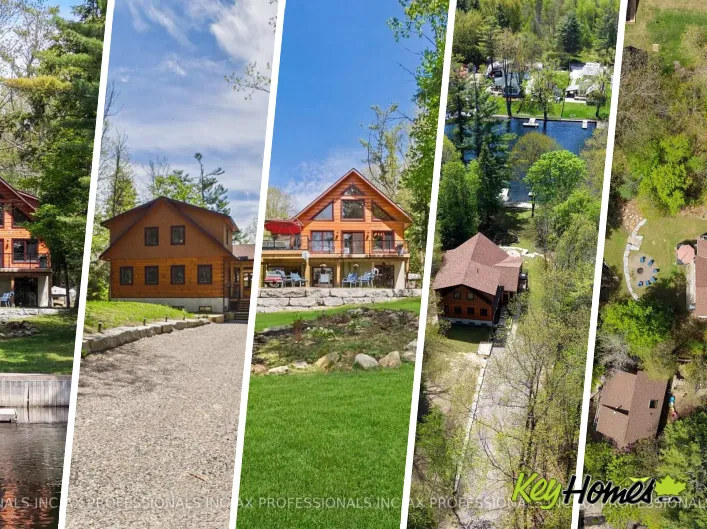
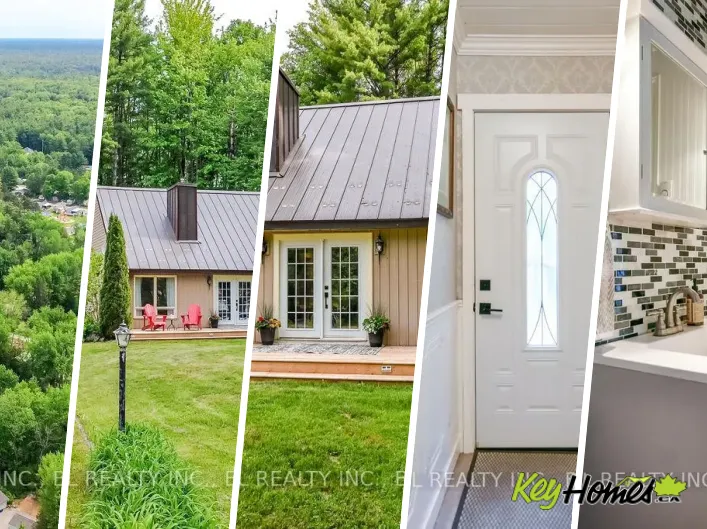
Inventory in and around Severn Bridge typically includes older farmhouses, modest bungalows, and cottages ranging from three-season cabins to fully winterized waterfront homes. Demand is largely local and regional, with spillover from the GTA and Kitchener–Waterloo looking for weekend access under two hours. Investors watch short-term rental policy closely, and end-users prioritize road access, internet reliability, and waterfront quality (depth, weeds, and exposure).
To see real-time activity nearby, you can browse current Severn listings on KeyHomes.ca and compare pricing to neighbouring nodes like Washago and Gravenhurst. For buyers specifically targeting boating corridors, exploring waterfront on the Trent–Severn Waterway can help calibrate value across lock sections.
Zoning and Permitting: Know Your Jurisdiction
Severn Bridge properties may fall under different municipal authorities depending on the exact location—some addresses align with the Township of Severn (Simcoe County) while others are under the Town of Gravenhurst (District of Muskoka). Before offering, confirm the governing municipality and zoning directly with the local planning department; the Severn River and Sparrow Lake shoreline create boundary nuances that matter for setbacks, docks, and additions.
- Zoning designations you may encounter include Rural Residential (RR), Shoreline Residential (SR), and Environmental Protection (EP). EP or floodplain overlays can restrict expansions, bunkies, and vegetation removal.
- Shoreline road allowances are common. Some are owned by the municipality and unopened; others can be purchased or closed. If you plan a larger dock, boathouse, or shoreline landscape work, determine if you need to close the shore road allowance and whether Parks Canada approvals apply for in-water structures.
- The Trent–Severn Waterway is managed by Parks Canada, which influences water levels seasonally. Expect spring freshet and late summer drawdowns; design dock systems accordingly.
- Separate approvals may be required by local conservation authorities and/or the Ministry of Natural Resources and Forestry for fish habitat and in-water work. Requirements vary by exact waterbody segment.
Practical example
Buyer plans to add a lakeside screened porch. Even if the lot is zoned SR, an EP overlay along the shoreline may force the addition to move upslope, or require a minor variance with supporting reports. Build timelines and costs increase when surveys, site plans, or environmental assessments are needed—budget both money and time.
Property Types and Infrastructure
Septic and well realities
Most non-serviced properties here rely on a drilled well and a Class 4 septic. Lenders and insurers increasingly ask for recent septic pump-out records and a well water quality test. A good condition precedent package includes a septic inspection by a qualified technician, confirmation of tank location and capacity, and a potable water test (bacteria and nitrates). In some cases, the local public health unit oversees septic under Ontario Building Code Part 8—verify which authority handles permits where you're buying.
Road access, private lanes, and winter maintenance
Severn Bridge features a mix of municipally maintained roads and private lanes. Addresses like those along or off Cowbell Lane exemplify private or seasonally maintained access. If you hear about cowbell lane severn bridge in your search, treat it as a case study: check maintenance arrangements, winter plowing, and whether there's a formal road association with fees and liability insurance. Title review should confirm rights-of-way and whether the lane is deeded or just a prescriptive path. Lenders often require year-round, publicly maintained access for best rates; private roads can shift a file to a conventional product with higher down payment.
Utilities and internet
Hydro is widely available, but natural gas is limited. Propane and wood are common secondary heat sources. Reliable high-speed options have improved—Bell and Xplornet serve many corridors, and Starlink fills gaps. For resale, year-round access and dependable internet are two of the most consistent value drivers outside direct waterfront quality.
Financing and Insurance Nuances
Lenders categorize properties by use and access:
- Year-round, four-season homes with public road access and conventional heat are typically financeable with as little as 5–20% down depending on price and occupancy.
- Three-season cottages, water access only, or wood-heat-only homes may be treated as “Type B” or “Type C,” needing 20–35% down and sometimes a higher rate or different insurer guidelines.
- On older cottages, insurers may require electrical updates (e.g., knob-and-tube remediation) and WETT certification for wood stoves.
Example: A buyer eyeing a small cabin near Sparrow Lake with seasonal road access may be approved only with 25% down and a condition to install baseboard backup heat. Factor those costs into your total acquisition budget.
Short‑Term Rentals and Bylaws
STR rules around Muskoka and Simcoe have been tightening. Licencing, occupancy limits, and parking requirements vary by municipality and are actively evolving. Some areas require a business licence, inspections, and contact signage, while others prohibit STRs in certain zones or cap the number of nights per year. If STR income forms part of your underwriting, underwrite conservatively.
Work from written sources: call the applicable municipal planning and bylaw departments and get email confirmation of what's permitted on your lot. Local agents—whether you've spoken to advisors like Rob Waslowski or others with STR experience—can help interpret policy, but final authority is municipal. On the data side, KeyHomes.ca often consolidates listing and bylaw notes so you can compare stricter sections of the Trent–Severn to more permissive ones.
Seasonal Market Trends
Listing volume rises after “ice-out” and peaks from late spring to early fall. Waterfront tends to transact fastest between May and August, with conditional periods aligning to arrange inspections by road or water. Winter can bring opportunity—less competition and motivated sellers—but site access for inspections (septic locating, shoreline evaluation) is tougher. If you can't assess a shoreline in winter, negotiate holdbacks or post-closing adjustments tied to spring inspections.
Resale potential: what reliably moves
- Four-season, move-in ready homes on public roads near Highway 11.
- Westerly or southwesterly exposure on the Severn River or Sparrow Lake with deep, weed-free water and a good dock.
- Functional footprints (3 beds, 2 baths), modern septic, and proven internet speeds.
- Proximity to locks without excessive boat traffic or wake exposure.
Buyers comparing landscapes should scout other segments of the corridor, such as cottages on the Severn River and nearby Port Severn houses for sale. For broader waterway context, scan Trent–Severn waterfront listings to see how lock proximity, lot size, and exposure shape pricing.
Lifestyle Appeal and Everyday Living
Severn Bridge living balances convenience and quiet. Highway 11 shortens trips to Barrie or the GTA while placing you minutes from marinas, trail networks, and winter activities. The area's draw is less about a single downtown core and more about access: boat from your dock, trail ride in the afternoon, and grab supplies in Gravenhurst or Orillia. For some buyers, a condo in a resort setting—like options comparable to the Grandview condo community in Huntsville—offers easier maintenance, but detached homes and cottages remain the norm in Severn Bridge.
If you're weighing cross-province lifestyle choices, looking at Shediac Bridge listings in New Brunswick can illuminate how maritime waterfront values compare to Ontario's cottage country. Urban-adjacent alternatives, from Fernbrook-built Oakville communities to rural homes in Pickering and Brock, often enter the conversation for families balancing commute and recreation.
Regional Considerations That Affect Offers
- Title due diligence: Verify shoreline ownership, any hydro easements, and private lane rights-of-way. Cowbell Lane and similar addresses sometimes include shared accesses—your lawyer should review surveys and reference plans.
- Water levels and docks: Parks Canada's seasonal management can float floating docks high in spring and ground them late summer; adjustable systems reduce headaches.
- Noise and exposure: Highway 11 and certain rail lines create audible corridors; boat noise also rises near busy lock sections. Tour at different times of day.
- Insurance: Confirm coverage for outbuildings, wood heat, and short-term rental use if relevant. Some insurers require upgrades before binding.
- Appraisal support: Unique waterfront parcels benefit from comparables across multiple segments; regional data sets on KeyHomes.ca can help appraisers contextualize value beyond the immediate shoreline.
Comparing Neighbouring Sub‑Markets
Severn Bridge often competes with Washago, Kilworthy, and entry segments of Gravenhurst. Buyers who prefer acreage may stretch west or north, while those prioritizing price per square foot sometimes look southeast toward Simcoe and Grey. For example, single-level living in bungalows in Chatsworth trades at different price points but with longer drives to major services.
On the boating front, Port Severn's lock adjacency appeals to cruisers and weekenders. If you're debating the two, compare marina access and road maintenance patterns; Port Severn can feel busier in high season. Reviewing both markets side by side—via Severn Bridge searches and Port Severn inventory—helps isolate your priorities.
Buyer takeaways
- Confirm the municipality, zoning, and any EP overlays before planning renovations or STR activity.
- Prioritize properties with winterized systems, reliable access, and documented septic/well health for stronger resale.
- Underwrite lending and insurance assuming stricter criteria for seasonal or private-road properties.
- Use on-the-water comparables (depth, exposure, wake) when pricing waterfront; cross-check multiple lock sections for a true read.
Whether you've heard about Cowbell Lane or chatted with local agents such as Rob Waslowski, the most successful purchases here are grounded in careful due diligence and realistic operating budgets. For additional mapping, comparable sets, and professional guidance, KeyHomes.ca remains a reliable place to explore Trent–Severn inventory and connect with licensed advisors who work this corridor day in and day out.