


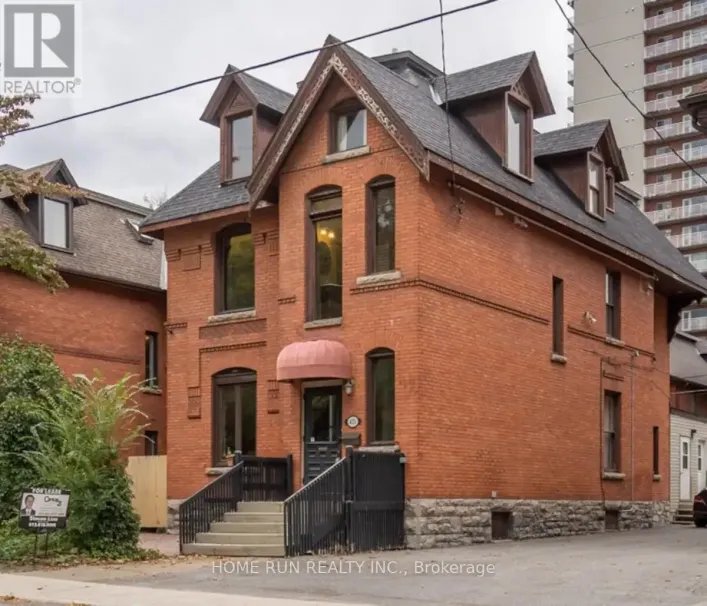


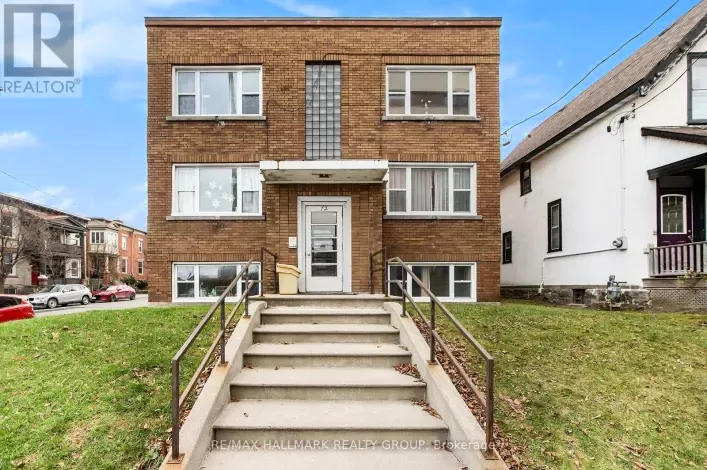

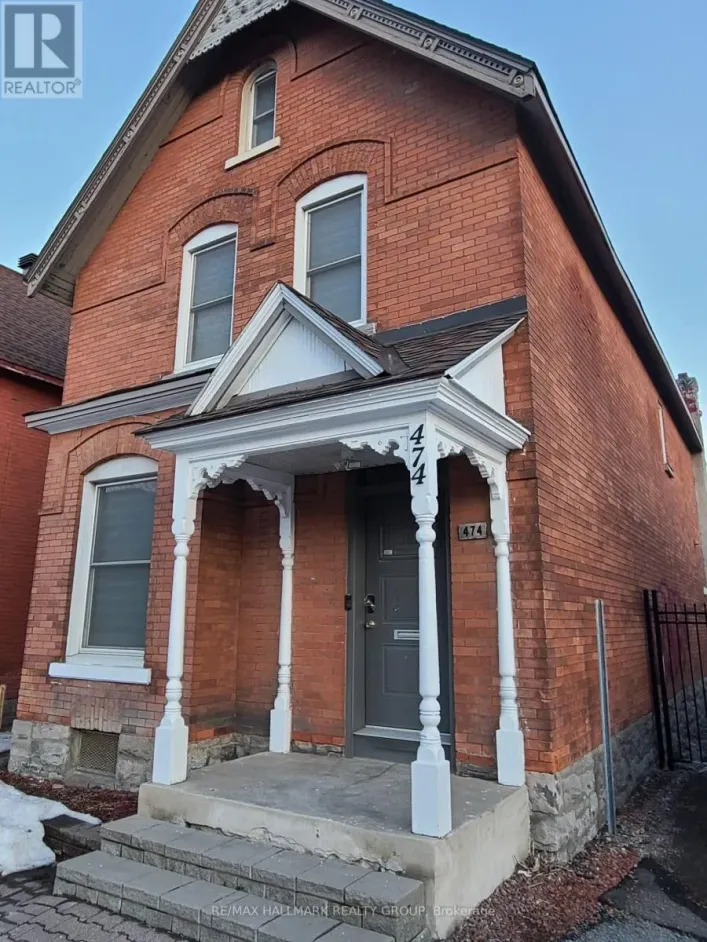


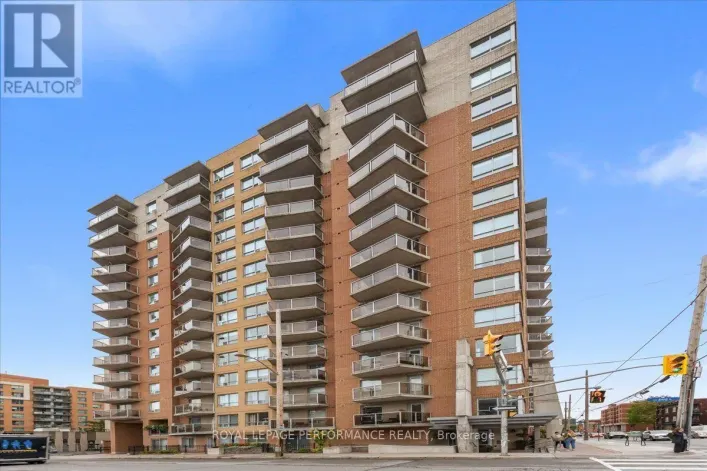


















For buyers drawn to historic character, victorian ottawa offers a rare mix of 19th‑century craftsmanship and urban convenience. From Second Empire semis in Centretown to Queen Anne and late Victorian Gothic on tree‑lined streets in Sandy Hill and Lowertown, these homes can be rewarding to own—provided you understand heritage rules, renovation realities, and how Ottawa's market cycles affect pricing for an 1800s house for sale.
What makes Victorian Ottawa distinct
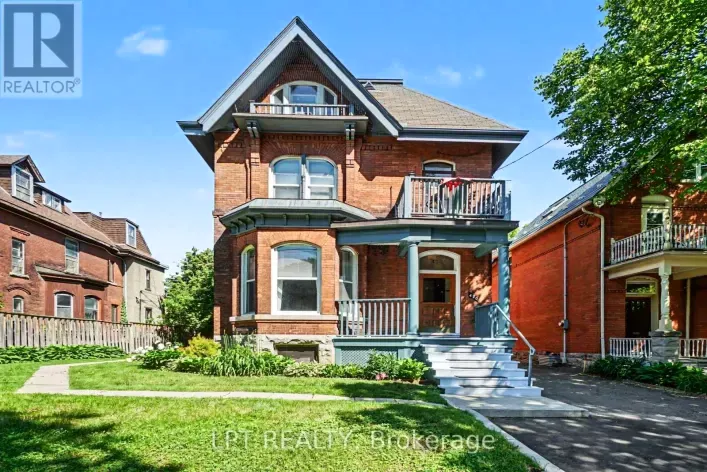
Most of Ottawa's Victorian and Edwardian‑era housing stock sits in the inner urban core: Centretown, Sandy Hill, Lowertown/ByWard, New Edinburgh, parts of Hintonburg and Old Ottawa East. Expect high ceilings, plaster medallions, stained glass, and brick or stone facades. Floor plans may be narrow and deep, with additions at the rear. Some grander homes function well as a multi‑suite or multi‑generational setup; others are ideal for a single household.
Architectural styles vary—Second Empire mansard roofs, Italianate brackets, and occasional Victorian Gothic detailing. Inventory labeled “victorian homes for sale near me,” “victorian gothic homes for sale,” or even the typo‑prone “victorian hpuse,” “victorien house,” “victotian house,” typically pulls from these neighbourhoods. While you'll find a few larger victorian estates for sale in the region, Ottawa's urban examples are usually on compact lots with laneway access.
Zoning, heritage, and permits: what to verify before you offer
Heritage status is the number one differentiator. Many streets fall within Heritage Conservation Districts (HCDs). If a property is designated, exterior changes—windows, doors, porches, roofing profiles—generally need heritage approvals. Interior work may be less restricted but still subject to building code and, occasionally, heritage review if it impacts protected elements. Confirm designation and applicable HCD guidelines with the City of Ottawa before budgeting for renovations.
For investors targeting a victorian house sale with secondary suites, Ottawa zoning (e.g., R3 and R4 in older neighbourhoods) often allows additional units, subject to lot size, setbacks, and building/fire code. Conversions to duplex/triplex require compliance with egress, fire separations, and parking where applicable. Coach houses and secondary dwelling units are permitted in many zones, though heritage properties may face extra design scrutiny.
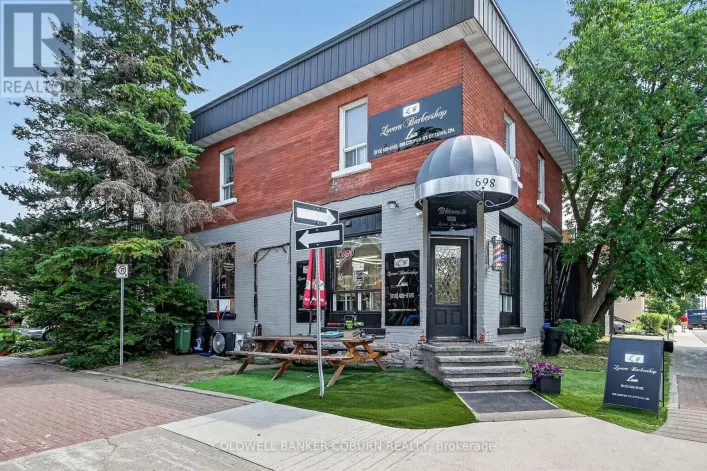
Where a Victorian sits on a traditional mainstreet—think parts of the Montreal Road corridor—mixed commercial and residential uses may be permitted. Converting a large home to a live‑work or boutique professional office depends on site‑specific zoning. Reviewing examples of mixed‑use properties in Ottawa can help you assess feasibility. For buyers seeking family services nearby, proximity to licensed daycare spaces in Ottawa is a practical lifestyle advantage.
Condition, retrofits, and financing realities
Older Ottawa homes can carry legacy building systems. Plan for:
- Electrical: Knob‑and‑tube or 60‑amp service may prompt insurance limits or lender conditions. Many lenders require upgrades before closing or holdbacks managed by your lawyer.
- Plumbing: Galvanized pipe, cast iron stacks, and aging supply lines can impact water pressure and insurance.
- Structure: Balloon framing, settled stone foundations, and uninsulated brick walls are common. Moisture management and masonry repointing with appropriate lime‑based mortar matter.
- Environmental: Potential for lead paint or asbestos in plaster, insulation, and old flooring mastics. Professional testing and abatement may be necessary.
- Energy: Window restoration vs. replacement is a heritage topic; storm systems and air‑sealing often deliver efficient gains without compromising character.
Financing tip: If an 1800s house for sale includes active knob‑and‑tube, some “A” lenders may still fund with conditions, while others will not. A realistic cash reserve or purchase‑plus‑improvements mortgage can bridge required upgrades. Speak with a mortgage broker who regularly underwrites heritage properties in Ontario.
Investment and rental strategy: long‑term, multi‑gen, or short‑term
Large footprints make certain Victorians ideal for multi‑generational homes in Ottawa or for adding a legal suite. Factor in fire code retrofits (e.g., interconnected hardwired smoke alarms, rated assemblies) and sound attenuation to protect resale value and tenant comfort.
Short‑term rentals (STRs) in Ottawa are regulated. As of current policy, STRs are generally limited to your principal residence, and hosts require a municipal permit. Some properties in designated rural “cottage areas” have different allowances, but rules can change and condo corporations often prohibit STRs outright. Municipal Accommodation Tax may apply. If your investment thesis relies on STR income, verify the property's eligibility with the City and the condo board (if applicable) before waiving conditions. To sense achievable monthly rates without STR exposure, browse Ottawa unfurnished short‑term rentals as a benchmark for mid‑term demand.
For live‑work possibilities on mainstreet or arterial edges, confirm parking ratios and accessibility. Case in point: buyers considering a character conversion should compare with examples of mixed‑use Ottawa listings to understand rent rolls and cap rates typical for these corridors.
Lifestyle appeal and neighbourhood context
Victorian streets trade on walkability: cafes, independent grocers, the Canal and Rideau pathways, embassies, and institutions like the University of Ottawa. Access to the Confederation Line is a plus; proximity to Blair Station can make commutes simple for east‑enders who shop at the Ottawa Train Yards retail hub or work near the Blair Road area. Southbound, compare commute patterns through Cahill Drive in South Keys if your household splits time between downtown and the airport.
Not everyone needs century‑home maintenance. If you love the vibe but want newer construction, explore established suburbs like Viewmount in Nepean or master‑planned enclaves such as Tamarack Ottawa homes, then compare back to core neighbourhoods. KeyHomes.ca is a practical resource to scan both character listings and modern alternatives while pulling recent sale data by micro‑area.
Resale potential and value drivers
What sells a Victorian:
- Verified heritage status with tasteful, documented improvements.
- Functional upgrades (200‑amp service, modern boiler or efficient HVAC, updated plumbing) that preserve original details.
- Parking—front yard or laneway—remains a premium in the core.
- Proximity to transit nodes like Blair or major corridors such as the Montreal Road corridor.
- Versatility: legal secondary suite or flexible layout for home office/studio.
Heritage designation can enhance resale through architectural scarcity, but it narrows the buyer pool for those wanting exterior changes. Data‑driven pricing—ideally pulling matched‑pair sales on your street—matters more than city‑wide averages. Many buyers use KeyHomes.ca to review recent transactions and track trends before making offers on a victorian town house or a freestanding brick classic.
Seasonal market rhythms
Ottawa's core freehold market is busiest from March to June, when gardens and facades present well and buyers returning from winter hibernation compete. Listing a victorian style townhouse or semi in late spring can attract multiple bids if the home is turnkey. Summer sees steady activity; August typically softens before a smaller September‑October surge. Winter sales happen, but photography and inspection logistics (frozen hose bibs, snow‑covered roofs) add friction—price accordingly.
For cottage‑season shoppers eyeing older waterfront homes in the Ottawa Valley or along the Rideau, interest spikes late winter through early summer. Many rural character properties—sometimes marketed as victorian estates for sale—have outbuildings and separate wells or septic systems; ensure seasonal access and winterization are feasible if you plan year‑round use.
Regional considerations: urban vs. rural Victorian ownership
Within the city core, services are municipal and straightforward. In rural Ottawa (Manotick, Carp, Osgoode) and in heritage towns like Almonte or Merrickville, an 1800s house for sale may rely on:
- Private wells: Order bacteriological and chemical testing; confirm well depth and flow rate.
- Septic systems: Pump‑out and inspection prior to closing; budget for replacement if the system is near end‑of‑life.
- Conservation authority review: Shoreline or floodplain overlays can limit additions or accessory structures.
- Heating: Oil tanks must meet TSSA standards; many owners upgrade to propane or heat pumps. Chimneys require WETT inspections for wood‑burning appliances.
On or near traditional mainstreets, flexibility exists to blend residential with commercial use—sometimes a great path for a grand victorian town house to carry itself as a professional practice with residence above. Study recent mixed‑use Ottawa sales to understand rent support and vacancy trends before underwriting.
Finding and evaluating listings for “victorian ottawa”
Search behaviour varies: some buyers type “victorian homes for sale near me,” others look for “victorian house sale,” “victorian.homes for sale,” or simply “victorian style townhouse.” Regardless, inventory is thin, and well‑kept properties move fast. Use saved searches on a trusted platform like KeyHomes.ca to monitor micro‑neighbourhoods—Sandy Hill side streets trade differently than arterials near the University—and compare against adjacent markets like Viewmount or employment nodes around the Train Yards to validate value.
Buyer takeaway: Heritage rules and building realities are manageable with planning. Align your scope with zoning, confirm insurance and lender requirements early, and price renovations with professionals experienced in brick and stone restoration. When in doubt, local verification is key—Ottawa's bylaws, HCD guidelines, and short‑term rental rules can vary by district and are periodically updated.