
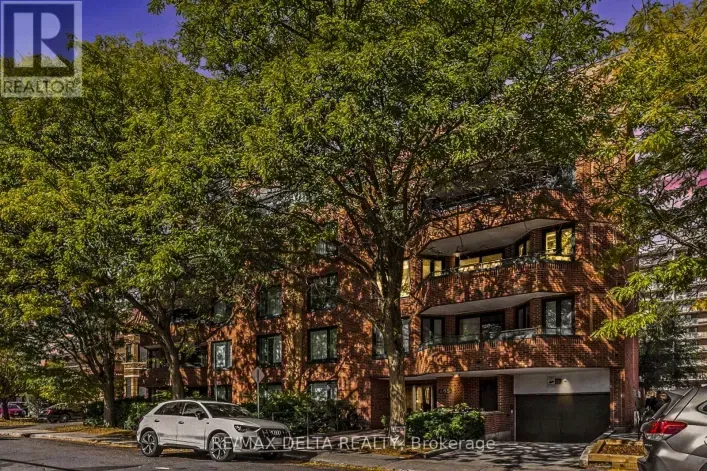
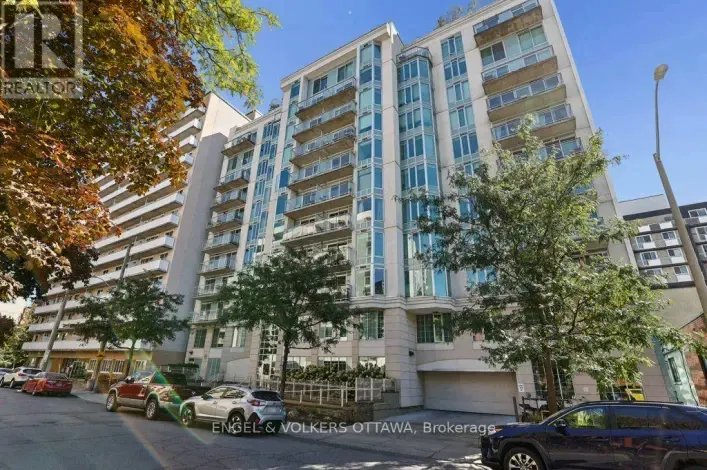

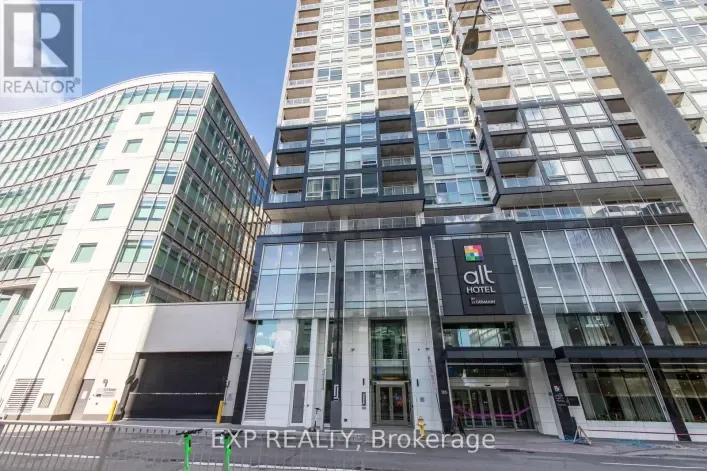
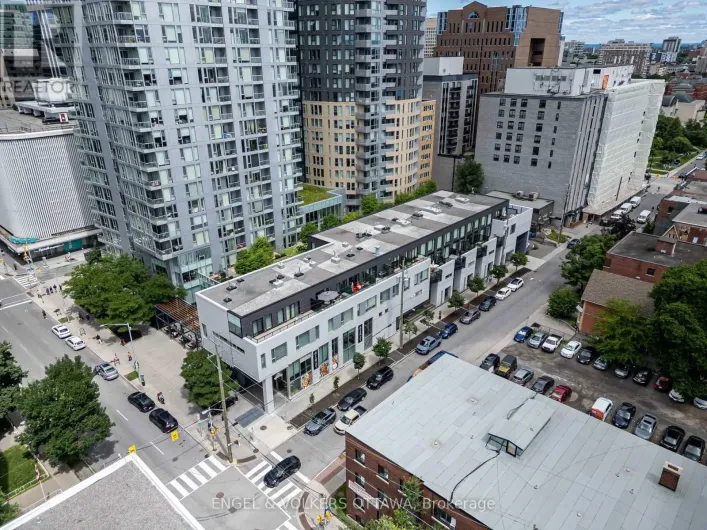


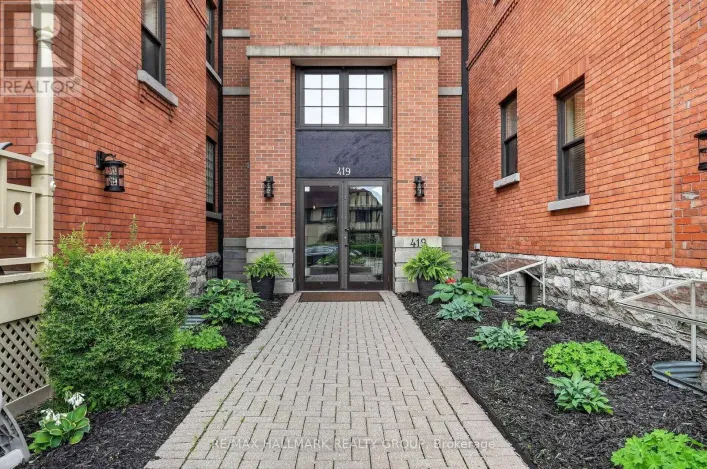


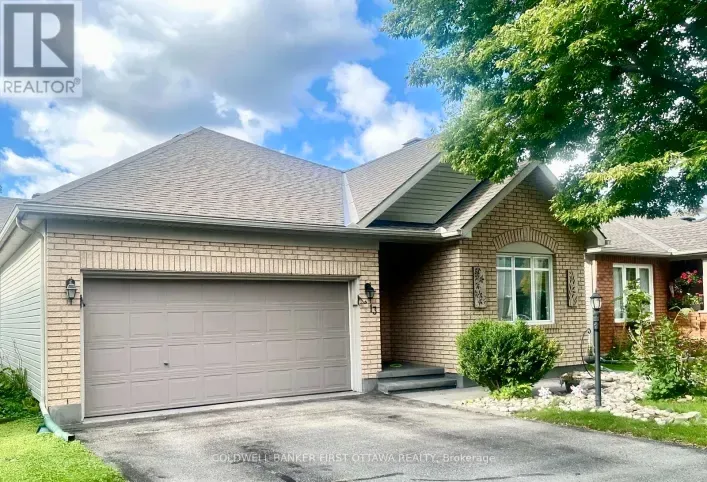


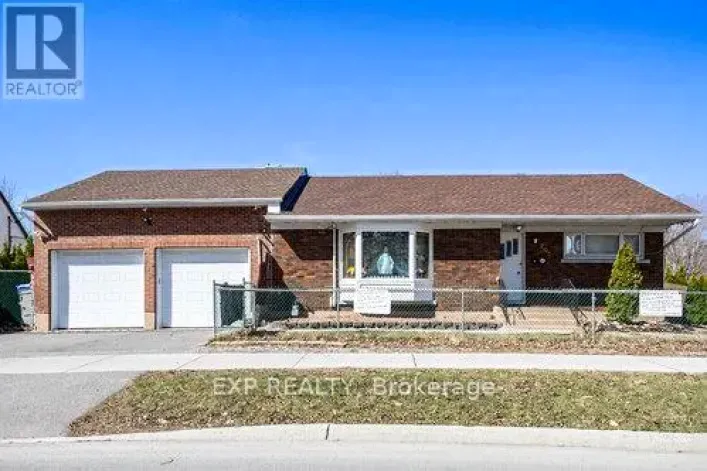


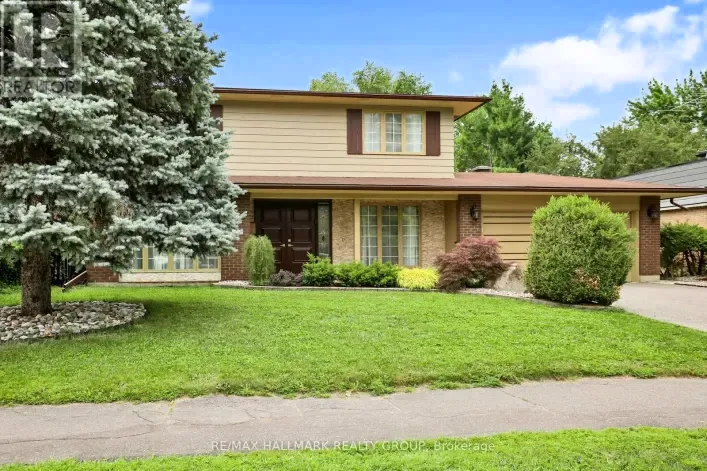

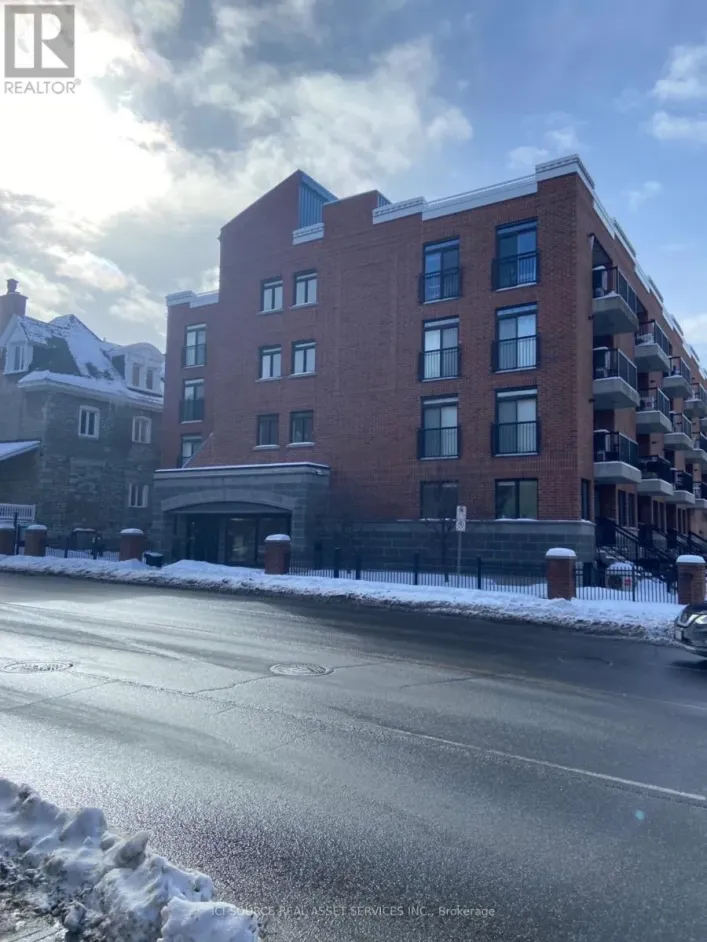

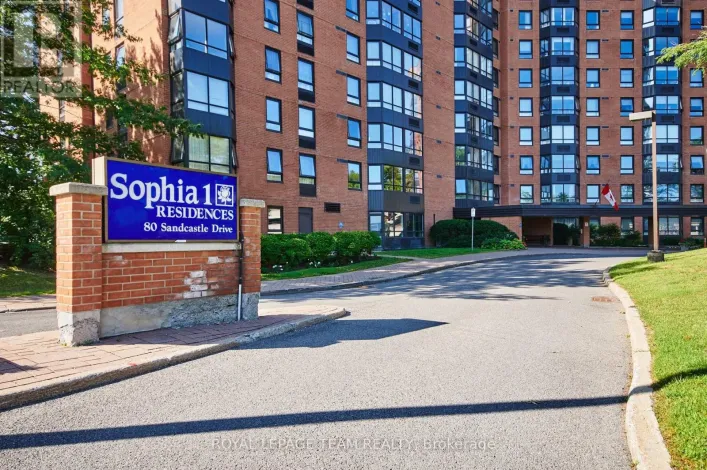


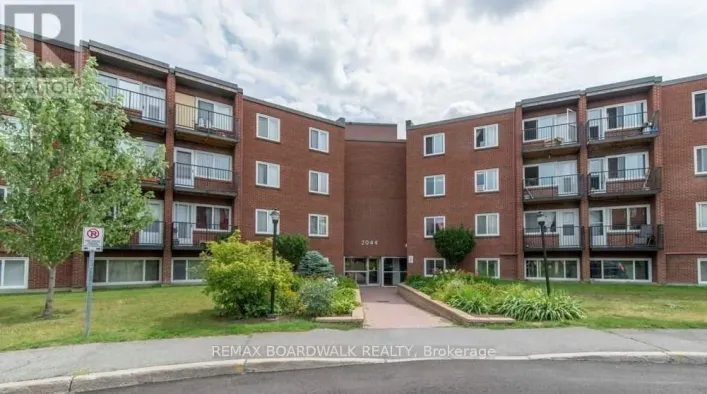


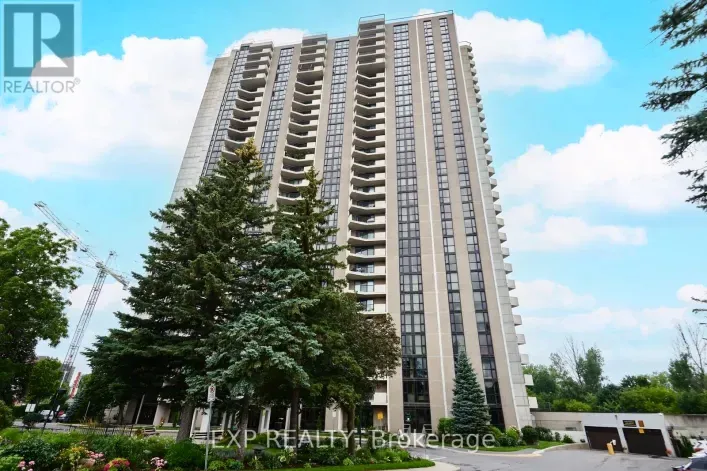

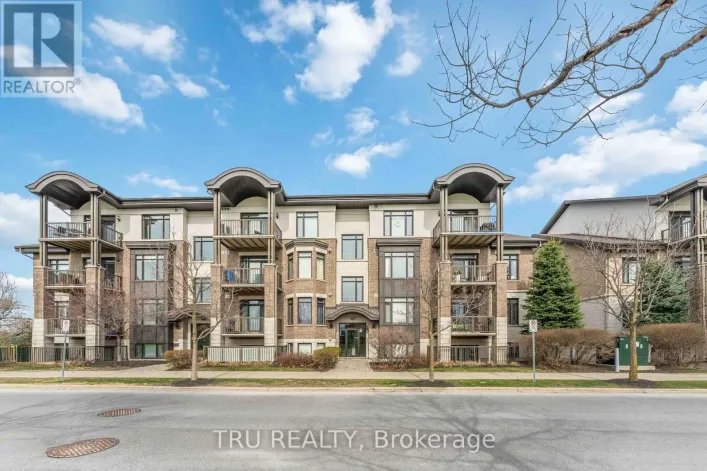



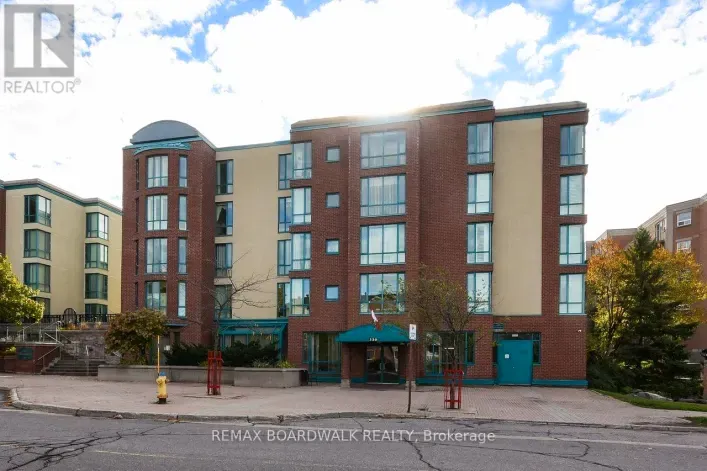

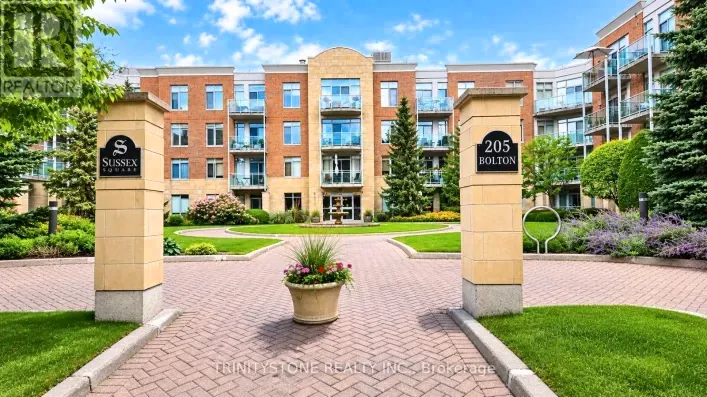

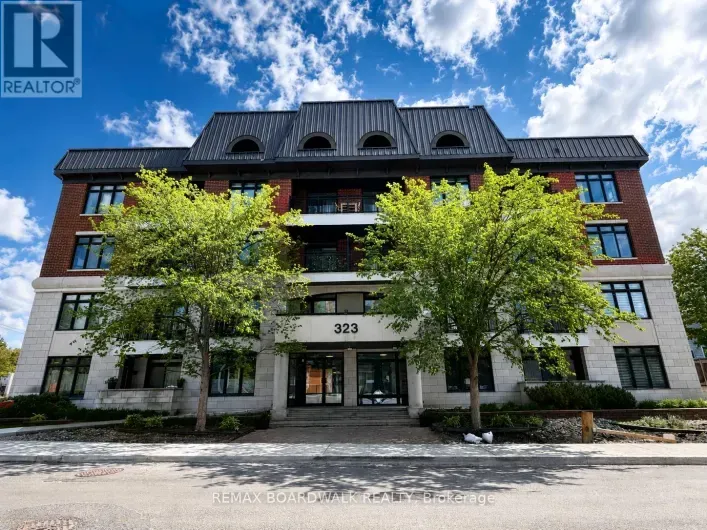


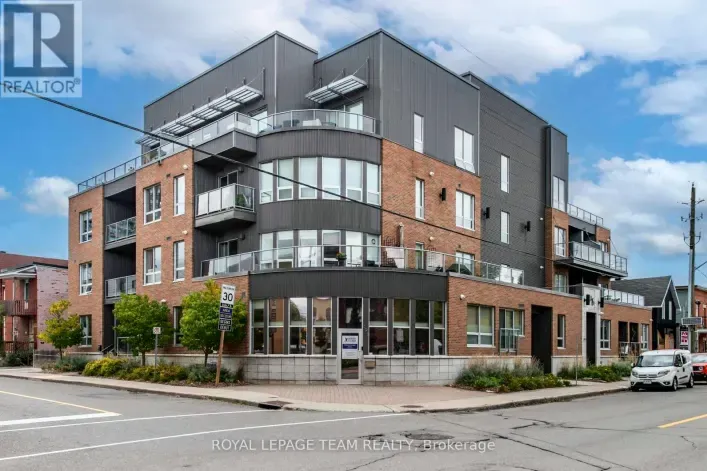





For buyers and investors focused on wheelchair accessible Ottawa properties, the market offers a growing mix of adapted bungalows, barrier-free condos, and newer builds designed with universal design principles. Success here comes from aligning personal mobility needs with Ottawa's zoning realities, condo rules, and seasonal conditions, while keeping an eye on resale potential and regional trends across Ontario and beyond.
Buying in Wheelchair Accessible Ottawa: What to Know First
“Accessible” can mean anything from a no-step entry with 36-inch doors to full roll-in showers, widened hallways, automatic door operators, and elevator access. In Ottawa, you'll see all of the above, but features vary widely by age of building and property type. Inventory of wheelchair friendly houses for sale is tighter than standard stock, so timing and flexibility matter—especially in spring when listings and competition surge.
How Ontario rules shape what you'll find
- Ontario Building Code (OBC) sets barrier-free requirements for common areas in many multi-residential buildings (e.g., lobby ramps, elevator dimensions), but detached houses typically aren't mandated to be barrier-free. Individual suites may be “visitable” or “adaptable,” especially in newer developments.
- The Accessibility for Ontarians with Disabilities Act (AODA) focuses on public spaces and services; for private homes, accessibility is usually driven by design choice, buyer demand, and renovations.
- Ottawa has its own interpretation of the OBC and permitting processes. Always confirm municipal requirements and obtain permits for exterior ramps, porch lifts, or changes that might encroach on setbacks or the road allowance.
Zoning, permits, and practicalities
Ottawa's residential zones (R1 to R4 and beyond) regulate setbacks, lot coverage, and accessory structures—relevant if you plan a ramp that projects into a front yard or a lift near a side yard. When a ramp doesn't fit inside current rules, a minor variance may be needed. For condos, modifications to common elements (e.g., automatic door openers) require board approval; the Ontario Human Rights Code obliges reasonable accommodation, but the process and cost-sharing vary by corporation.
Property Types: From Bungalows to Accessible Condos
Bungalows remain popular with buyers seeking a “disabled house” retrofit, thanks to single-level layouts and simpler ramp solutions. See examples of accessible bungalow listings in Ottawa to gauge what's possible at different price points.
Condo towers and mid-rises often deliver reliable elevator access, wider common corridors, and parking stalls designated for accessibility. Explore wheelchair-accessible apartments for sale in Ottawa when a turn-key, low-maintenance option is preferred. If you're comparing markets, it's helpful to scan Toronto accessible apartments or Montreal accessible apartments to understand regional pricing and feature sets.
New low-rise infill and suburban builds sometimes incorporate “visitable” features—no-step entry from the garage, wider doorways, and main-floor powder rooms. For province-wide options, this curated feed of Ontario wheelchair-accessible houses provides a broader view of what builders and renovators are delivering.
Key condo checklist
- Elevator cab size, door width, and call button heights matched to mobility needs.
- Automatic door operators on main entrances and amenities; lever handles rather than knobs.
- Accessible parking stall width and path of travel from stall to elevator.
- Bylaws for renovations inside the unit (e.g., roll-in shower) and approvals for common element changes.
- Short-term rental restrictions (important for investors; see below).
Financing, Incentives, and Insurance Considerations
Renovations to create a wheelchair accessible condo or freehold are commonly financed via purchase-plus-improvements mortgages offered by major lenders and insured products. Discuss scope and quotes up front; lenders typically release improvement funds after completion and inspection. There are also tax measures worth noting:
- Home Accessibility Tax Credit (federal): non-refundable, typically 15% on up to $20,000 of eligible expenses per year. Confirm current limits with a tax professional.
- Medical Expense Tax Credit: some accessibility modifications and devices may qualify.
- Multigenerational Home Renovation Tax Credit: if you're adding a self-contained suite for a qualifying relative, some costs may be eligible.
Insurance can be nuanced: stairlifts and porch lifts are generally insurable, but notify your insurer about modifications. Some insurers may request proof of professional installation for electrical/mechanical devices.
Resale Potential and Investor Outlook
Ottawa's demographics—aging baby boomers and multi-generational households—support steady demand for accessible condos for sale and adaptable freeholds. That said, resale value depends on execution quality and location more than on any single feature. Permanent, well-integrated upgrades (curbless shower, widened doors) tend to help marketability more than temporary lifts or ramps. For investors, accessible units in elevator buildings near transit and healthcare can maintain lower vacancy and attract long-term tenants.
Cap rates won't magically improve because a unit is accessible, but reduced tenant turnover can stabilize returns. If you're weighing Ottawa against other cities, review supply and rents for accessible stock in Mississauga, Calgary, or Edmonton. Regional benchmarks help price Ottawa assets appropriately. Market data sets on KeyHomes.ca can add context.
Lifestyle Fit: Transit, Snow, and Services
Proximity to O-Train stations, Para Transpo service zones, hospitals (The Ottawa Hospital and Rehabilitation Centre), and daily amenities matters as much as the front-door ramp. Westboro and Hintonburg offer urban walkability and newer mid-rises; Centretown provides density and services; suburbs like Barrhaven and Orléans offer larger lots for ramps and garages with level entries.
Winter conditions are a practical filter. Sidewalk snow clearing routes, driveway slope, and curb cuts can make or break daily independence. Visit properties after a snowfall to test how the path of travel performs. In condos, check who clears snow from accessible parking stalls and how quickly it's done.
Seasonal Trends and Offer Strategy
Ottawa's spring market (March–June) brings the most inventory, including wheelchair accessible homes for sale near me searches spiking online; competition follows suit. Late summer can offer motivated sellers, while winter showings help you evaluate snow management. Time-sensitive buyers seeking handicap accessible condos for sale near me often need to act quickly on rare, fully barrier-free suites; having financing ducks in a row is essential.
Cottage and Rural Considerations Near Ottawa
For seasonal cottage seekers around the Ottawa Valley—and even across provincial lines into Quebec—set expectations early. Many cottages sit on uneven lots with stairs to the shoreline. Budget for sloped, switchback ramps or mechanical solutions and verify shoreline alteration rules through conservation authorities. If a property relies on a well and septic, ensure:
- The path from parking to entry is manageable with mobility devices.
- Bathrooms have enough space for transfers after any retrofit.
- Septic capacity can handle roll-in shower modifications that increase water use.
Financing can be stricter for three-season cottages. Lenders may require year-round access, insulation, and permanent heat. For inspiration and comparables beyond Ottawa, it's useful to scan accessible stock in cities with strong bungalow and apartment mixes such as Regina.
Short-Term Rental and Multi-Tenant Use
Ottawa regulates short-term rentals, with licensing and a general focus on principal residences; rules continue to evolve. Investors pondering accessible condos for sale near me to run as furnished rentals should:
- Confirm City of Ottawa STR eligibility, licensing, and zoning (particularly if outside a principal residence context or in rural/cottage areas).
- Check condo bylaws—many buildings restrict STRs entirely regardless of city rules.
- Assess wear-and-tear implications to sensitive features like automated doors.
If your strategy leans to mid-term healthcare professional placements, proximity to hospitals and transit is a plus. KeyHomes.ca often flags neighbourhood data to help align target tenant profiles with inventory.
Practical Examples and Scenarios
Scenario: You've found a ground-floor condo marketed as a wheelchair accessible condo. The bathroom is tight, and the building has a small older elevator. Before waiving conditions, bring a contractor to confirm a roll-in shower is feasible, and review the status certificate to ensure no restrictions on altering plumbing locations. If approvals and quotes align, a purchase-plus-improvements mortgage can wrap costs; the Home Accessibility Tax Credit may offset part of the spend.
Scenario: A freehold split-level in the suburbs ticks your location boxes but has a 24-inch interior door to the primary bath. A framed doorway can often be widened to 34–36 inches if load paths and electrical runs are managed—budget accordingly. Exterior ramps may require a minor variance if the front-yard projection exceeds the zoning envelope. Check sightlines and winter maintenance plans for ice safety.
Verifying Information and Staying Current
Local practices evolve—Ottawa frequently updates planning policies and aligns permitting with OBC changes. Industry voices—and even names that pop up in universal design discussions like Eduardo Alculumbre—are useful reading, but your best answers come from local building officials, qualified contractors, and your buyer's agent. Platforms like KeyHomes.ca help you triangulate market data with real, available inventory—whether you're comparing an accessible apartment in Edmonton or surveying Ottawa's infill options.
Due Diligence Quick Notes
- Measure everything: door clearances, turning radii, elevator cab dimensions, threshold heights.
- Confirm power supply and backup for lifts; ask about maintenance logs.
- Review condo documents for modification policies and any accessible parking stall assignments.
- For freeholds, ensure ramp slope (1:12 typical target) fits the lot; consider switchbacks and weather protection.
- Check transit and snow-clearing priorities on your block; test the route after snowfall when possible.
Ottawa's accessible housing landscape is improving, and carefully selected assets can serve both quality-of-life and investment objectives. When in doubt, compare local options with other markets—such as Ottawa condos versus Edmonton opportunities—to understand value and feature trade-offs before you write an offer.