
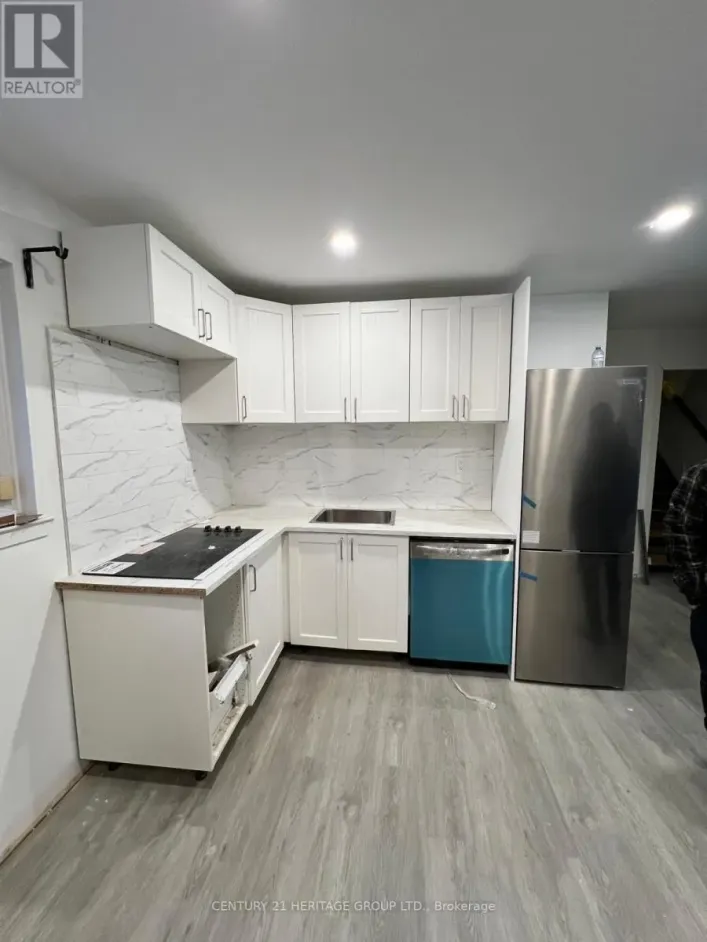
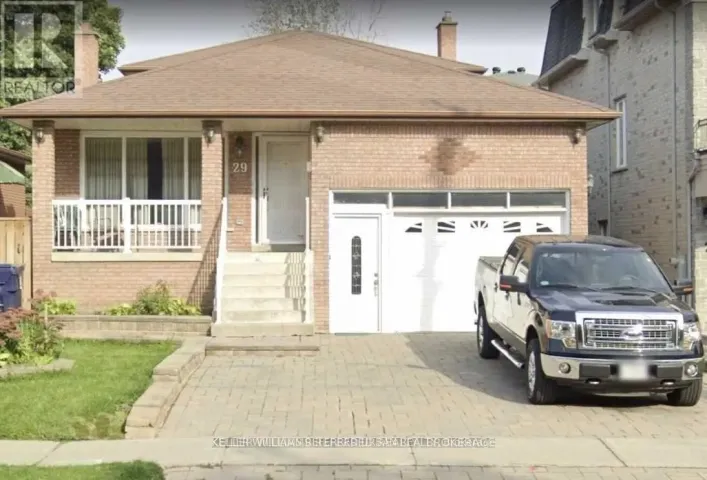

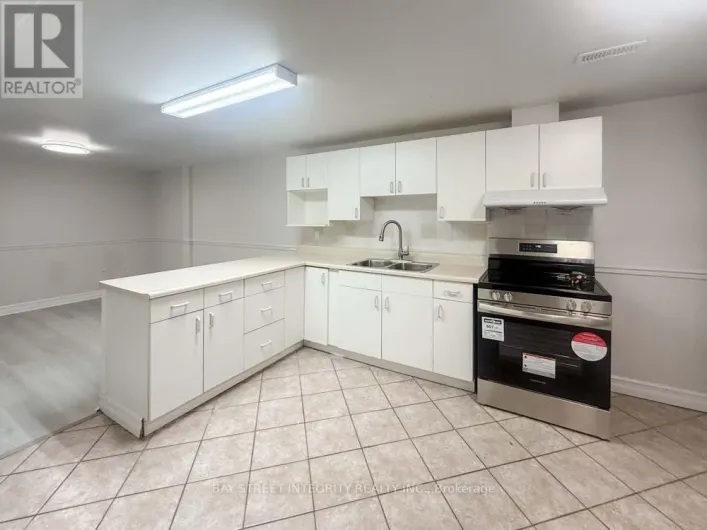

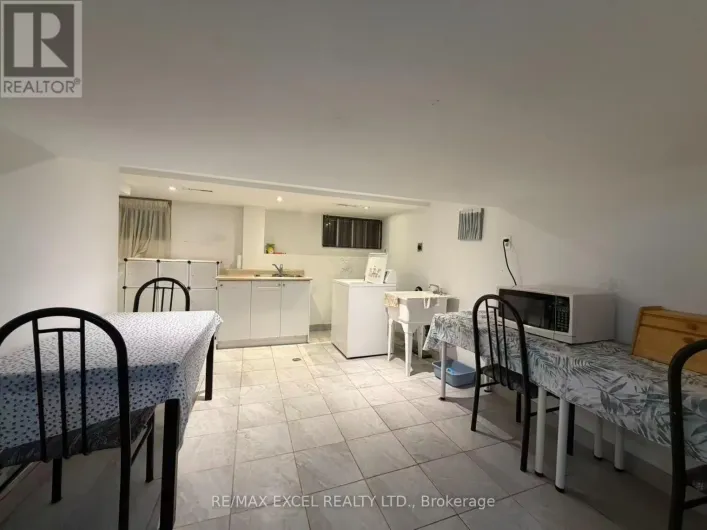








Buying or Investing in a Basement Apartment near Fairview Mall, Toronto
The Fairview Mall and Don Mills corridor in North York offers a strong blend of transit access, established neighbourhoods, and consistent tenant demand—factors that make a basement apartment Fairview Mall Toronto search worth a closer look. Whether you're an end user hoping to offset mortgage costs or an investor targeting steady rental income, the area's mix of post-war bungalows and newer infill homes presents practical opportunities, provided you navigate zoning, building code compliance, and market timing carefully.
Why the Fairview Mall/Don Mills Area Appeals
Transit, Jobs, and Everyday Convenience
Don Mills Station (Line 4 Sheppard) anchors the area with direct subway access, plus rapid bus connections across North York and to Scarborough. Highways 401 and 404 are minutes away, benefiting commuters and service workers alike. Tenant pools are diverse: Seneca College's Newnham campus (a few kilometres north) generates student demand; the Consumers Road business district and nearby healthcare facilities add steady professional renters; and families value proximity to schools, parks, and CF Fairview Mall amenities. If you're monitoring active inventory, browsing apartments around Fairview Mall in Toronto alongside Don Mills–area apartment options can help you benchmark rents and finishes.
Property Types Suited to Legal Secondary Suites
Neighbourhoods surrounding Fairview Mall—such as Don Valley Village, Henry Farm, and Pleasant View—feature detached and semi-detached homes with side entrances and deep lots that often lend themselves to compliant secondary suites. While some stacked townhomes include lower levels, most condominium corporations prohibit separate rental suites within a single unit; always check the condominium declaration and rules if your purchase involves a condo townhome.
Zoning and Legality: What You Need to Know
Secondary Suites Are Generally Permitted, With Conditions
In Toronto, a “secondary suite” (often a basement apartment) is permitted in most zones for detached, semi-detached, and townhouse dwellings under Zoning By-law 569-2013 (as amended). However, a legal suite is not “legal” until it complies with the Ontario Building Code (OBC), Ontario Fire Code, and any applicable city bylaws, confirmed through proper permits and inspections. Toronto does not operate a public registry for second suites, so your paper trail is the occupancy card and final inspection records.
Building Code and Fire Code Essentials
Expect the following fundamentals when creating or verifying a suite's compliance (not an exhaustive list):
- Minimum ceiling height: The OBC prescribes minimum heights (generally around 1.95 m in most areas), with limited allowances under beams/ducts. If you are targeting taller, more comfortable spaces, review examples of high-ceiling basement apartments in Toronto.
- Means of egress: A compliant exit path and/or egress window with clear opening sizes; window wells may require additional work.
- Fire separations and alarms: Proper fire-rated assemblies and interconnected smoke/CO alarms. Shared HVAC may be permitted if safeguards meet code—confirm with your designer and the City.
- Electrical, plumbing, and ventilation: Must be to current standards; knob-and-tube or DIY work will not pass.
Buyer takeaway: Always request permits, inspection reports, and a recent insurance declaration from the seller. If a “basement apartment” lacks documentation, budget for bringing it to code after closing.
Entrances, Parking, and Ravine Impacts
Exterior stairs and below-grade entrances are common, but placement is regulated (e.g., setbacks, drainage). Parking rules for secondary suites in Toronto are flexible compared to many suburbs, yet driveway alterations still need compliance with curb cut and front-yard landscaping rules. Parts of the Fairview Mall area fall under the City's Ravine and Natural Feature Protection, and certain properties near the Don Valley may be within TRCA-regulated areas; additions, walkouts, or grading changes can trigger conservation authority review.
Rental Strategy and Compliance
Long-Term Tenants and Lease Norms
Typical basement rents near Fairview Mall reflect unit size, ceiling height, private laundry, and proximity to transit. For context, compare a 2-bedroom basement apartment in Toronto with pet-friendly listings like two-bedroom basement apartments allowing pets, or explore furnished basement rental options when targeting newcomers or corporate tenants. Ontario's standard lease is mandatory for most residential tenancies; security deposits are limited to last month's rent (no damage deposits), and rent control applies to most properties first occupied for residential purposes before November 15, 2018 (check building age and exemption status).
Short-Term Rental Caveat
Toronto restricts short-term rentals (STRs) to an operator's principal residence, with registration required. That means you generally cannot buy a duplexed home and STR the separate basement suite if you live upstairs—unless the basement is truly your principal residence. Plan for long-term tenancies; assume STR income is not available for an accessory suite in Toronto.
Property Selection and Due Diligence
Moisture, Flooding, and Durability
Basements live or die by water management. Look for evidence of perimeter drainage, sump pumps, backwater valves, and correct grading. Toronto's Basement Flooding Protection Subsidy Program (subject to eligibility and funding) can defray costs for backwater valves and sump pumps—worth exploring post-close. Dehumidification, proper insulation, and vapour barriers are essential. While Toronto's radon risk is variable, consider testing after possession; mitigation is straightforward if needed.
Layout and Tenant Experience
Ceiling height and window size influence rentability. So does functional separation from the main unit: a good sound attenuation package and private laundry can reduce turnover. If family tenants are your target, browse larger formats—such as a 3-bedroom apartment in the Fairview Mall/North York area—to understand price differentials versus smaller suites. For downtown-oriented renters, compare suburban value to options like a 1-bedroom basement apartment downtown.
Financing, Insurance, and Taxes
Using Rental Income to Qualify
Most A-lenders will consider a portion of documented market rent to help with debt-service ratios; many want the suite to be legal (permit-compliant) to use income at the most favourable offset or add-back. Some lenders accept “non-conforming” suites at reduced recognition, but rates and terms can be less favourable. Practical example: An owner-occupier purchasing a North York bungalow with a legal basement suite can often qualify using 50–100% of projected rent (varies by lender and file strength). Pre-approval with a broker who regularly underwrites secondary suites is advisable.
Insurance and Tax Notes
Advise your insurer you're operating a secondary suite; separate unit coverage and liability are important. For taxes, net rental income is taxable, and claiming capital cost allowance (CCA) on part of a principal residence can affect your principal residence exemption on sale—speak with a CPA before you file. HST does not apply to long-term residential rent, but it can apply to certain services and new construction; again, confirm with your tax advisor.
Resale Potential and Valuation
Documented, legal, and thoughtfully finished suites command a broader buyer pool—end users seeking mortgage helpers, plus investors calculating yield. Appraisers will look for comparable legal two-unit properties, adjust for finishes, and test income sustainability. Well-documented permits and final inspections can be the difference between multiple offers and prolonged market time. When comparing micro-markets, it helps to review both basement listings near Fairview Mall and basement apartments in central Toronto to understand how tenants price transit adjacency versus downtown proximity.
Seasonal Market Trends Around Fairview Mall
In North York, leasing activity typically accelerates in late spring and peaks again in August/September tied to academic calendars (Seneca, York, and other campuses). Investor competition for mortgage-helper properties often rises in the spring listing season, while winter months can yield better purchase terms but slower tenant placement. If you plan to close in late summer, line up marketing and tenant screening early to capture the September move-in cycle. Families with school-age children often prefer July/August moves; students can surge in late August.
Regional Considerations and Alternatives
Across the GTA, rules for secondary suites vary. Toronto's approach differs from municipalities that require formal registration or specific parking minimums. If you're considering garden suites as an alternative to basements, note that Toronto permits them (subject to eligibility), but lots abutting ravines or with TRCA constraints may need additional approvals. For buyers balancing a city purchase with a seasonal property elsewhere, remember that cottage-country rentals involve different due diligence (septic capacity, well water quality) and increasingly strict short-term rental bylaws—what's allowed in Muskoka or Kawartha Lakes may differ sharply from Toronto's principal-residence rule.
Practical Search Tips and Local Benchmarks
To gauge rents and finish-level expectations specific to this node, scan a cross-section of area listings: compare high-ceiling basement suites with more budget-friendly units, sample two-bedroom basement apartments across Toronto alongside general Fairview Mall apartments, and factor in amenities that matter to your target tenant (in-suite laundry, parking, furnished options, pet acceptance). Resources like KeyHomes.ca provide up-to-date local listings and market context; you can also explore area-specific comps around Don Mills via Fairview Mall–Don Mills apartment pages.
Compliance Checklist and Buyer Safeguards
- Verify permits and final inspections for the suite; retain copies for financing, insurance, and resale.
- Confirm OBC/Fire Code items (egress, alarms, fire separations, electrical). If uncertain, budget for a post-close retrofit.
- Assess water management (grading, sump/backwater) and examine for moisture or settlement before waiving conditions.
- Underwrite rent conservatively using local comparables—e.g., contrast Don Mills/North York basements with downtown one-bedroom basement comps to avoid overestimating suburban premiums.
- Plan on long-term tenancies; Toronto's STR rules rarely favour separate basement suites unless it's your principal residence.
For deeper local insight, many buyers and investors rely on KeyHomes.ca to triangulate neighbourhood data with real-time listings—from furnished basement rentals to family-sized options like three-bedroom apartments around Fairview Mall. Pair that research with on-the-ground inspections and professional advice to ensure your numbers—and your compliance—hold up.