
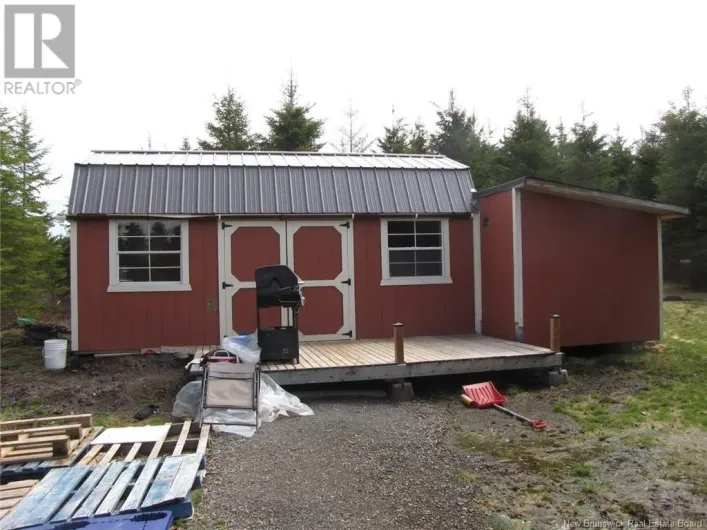

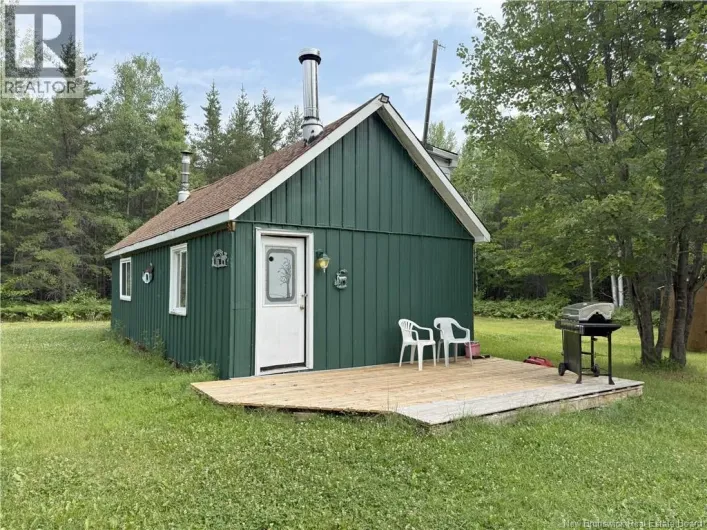
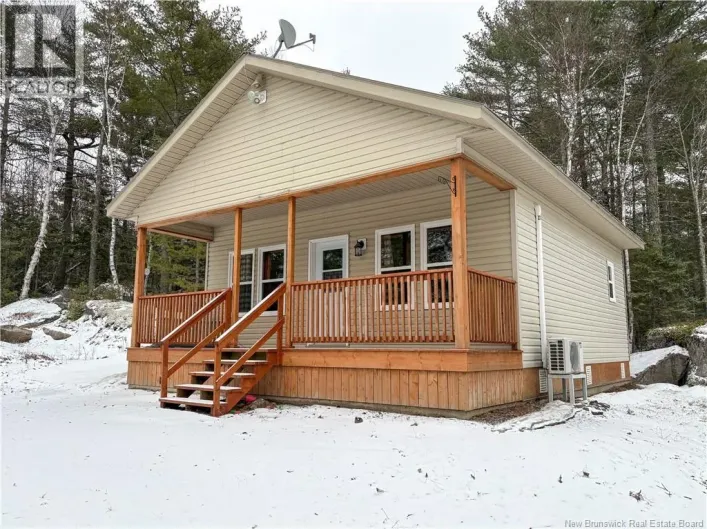
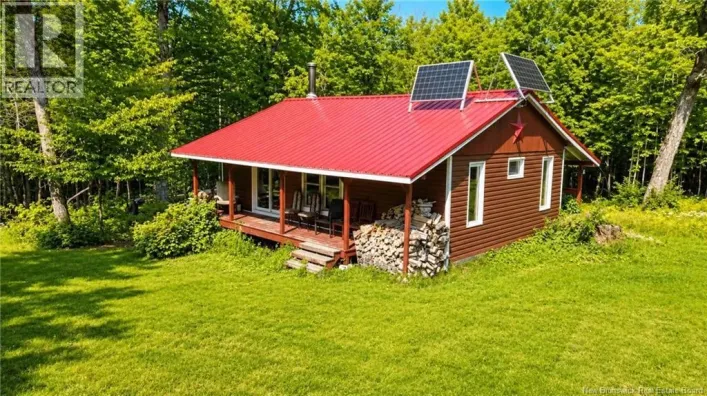


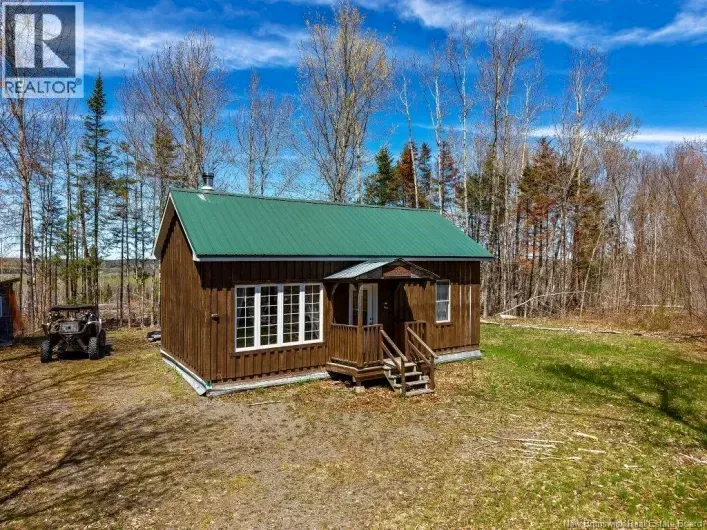




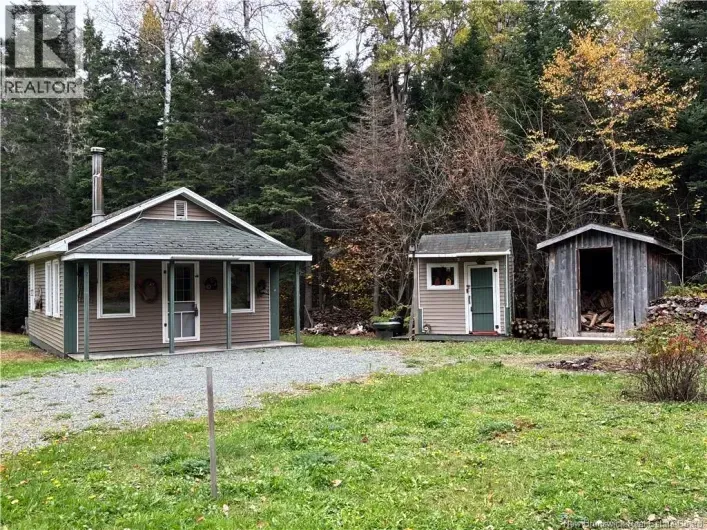




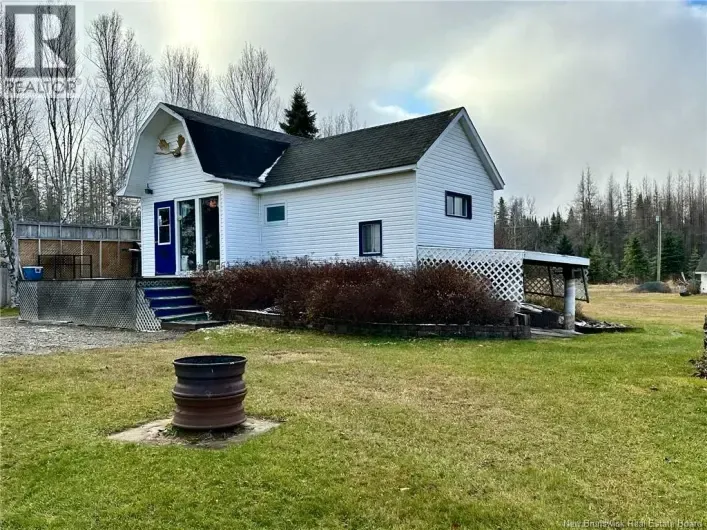

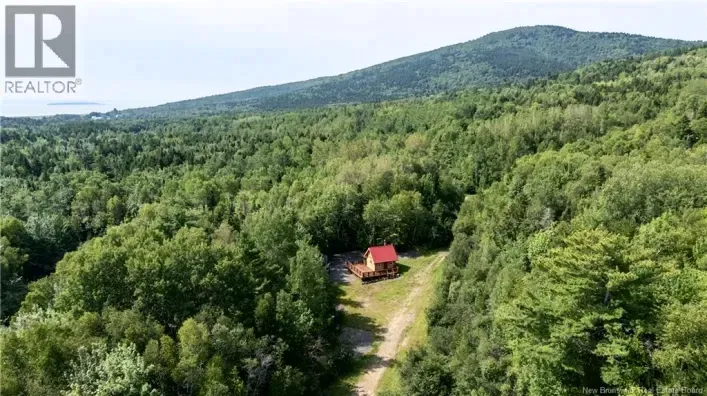








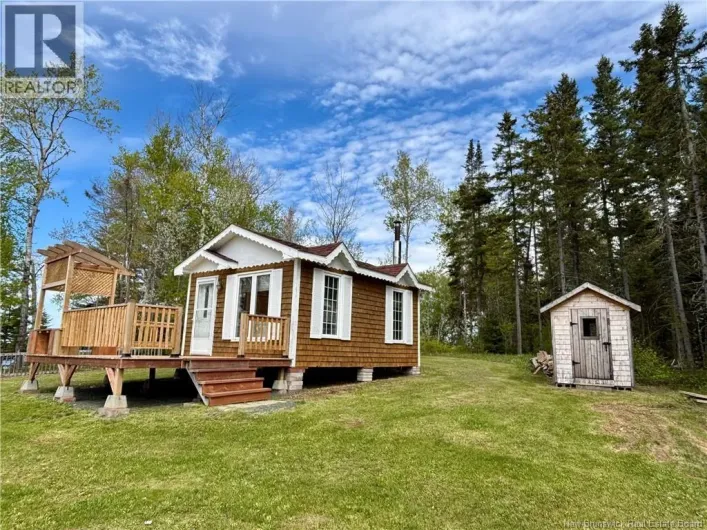



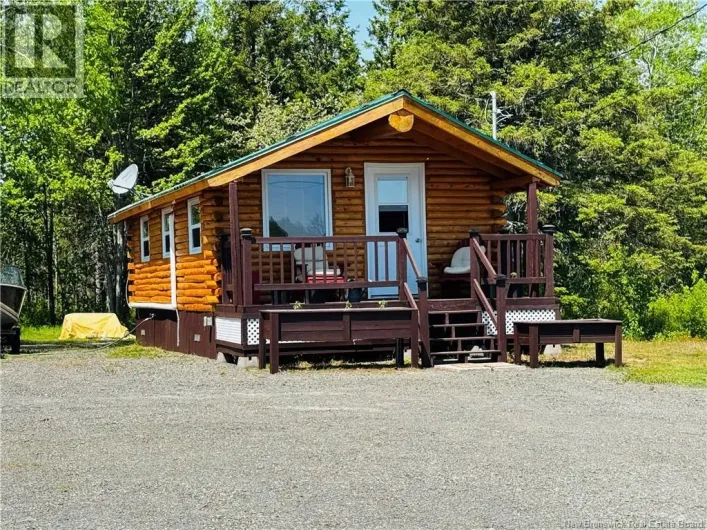





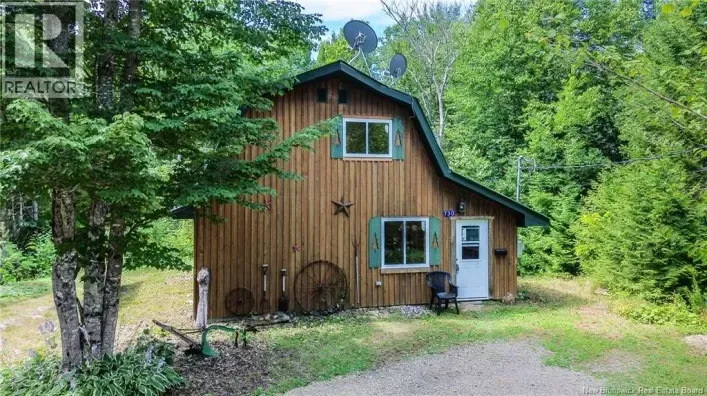

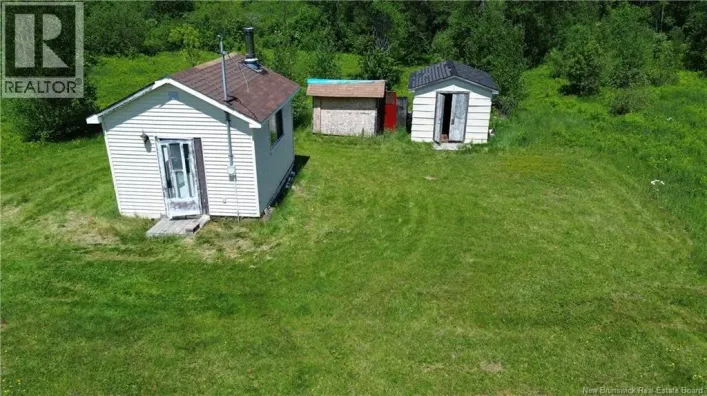

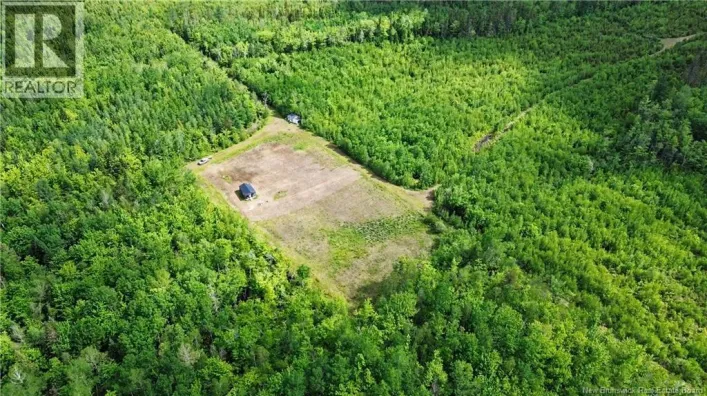



Searching “camp NB” can turn up anything from a one-room hunting camp on a seasonal road to a waterfront cottage with year-round services. In New Brunswick, the word “camp” describes how a property is used, but it does not establish what you can legally do with it. Before comparing prices, decide whether you want a weekend retreat, a four-season home, or a property that can generate rental income. Each calls for different checks.
Matching listings: 193
Camp NB: Choose the setting before the building
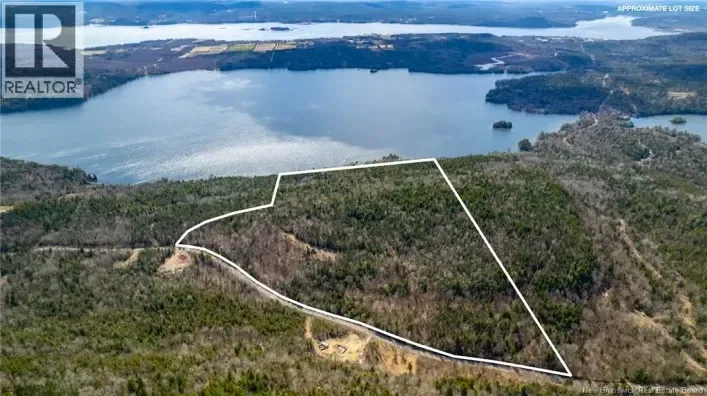
New Brunswick’s interior appeals to buyers who value woodland privacy, fishing, and access to trails. The trade-offs may include longer drives for supplies, limited cellular service, and roads that are not plowed. A hunting and fishing camp listing can help you identify practical features to compare, such as gear storage, heating, and vehicle access. If you are looking across provinces, an Ontario hunting camp listing can offer a useful comparison for layout and amenities, but not for determining New Brunswick market value.
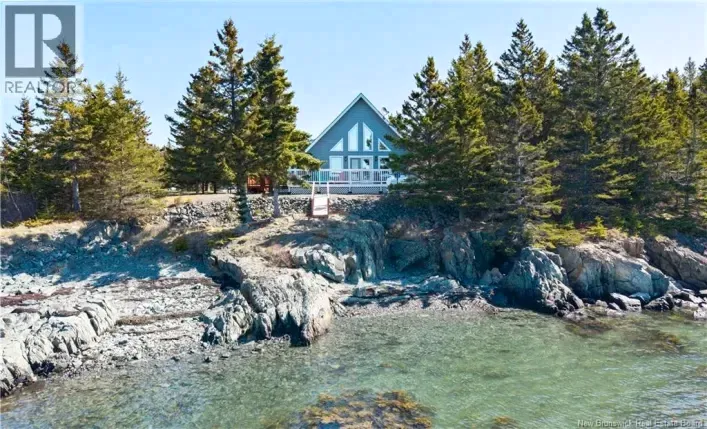
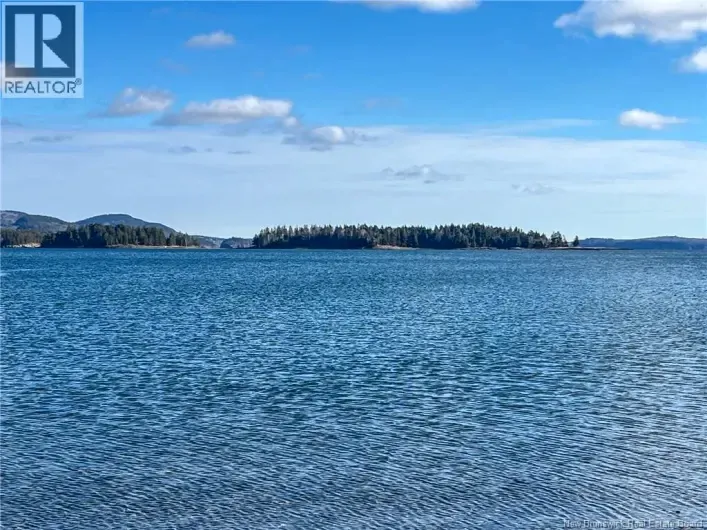
On the eastern coast, areas such as Bay du Vin appeal to buyers who want boating or coastal scenery. Visit at different tides if shoreline access matters, and ask about erosion and storm exposure. In Kent County, Saint-Ignace properties offer a starting point for comparing inland options within reach of the coast. In the lower Saint John River system, check flood mapping and local records for both the lot and its access road. A dry building site is little comfort if the road regularly floods.
Confirm zoning, title, and legal access
Ask the municipality or responsible regional service commission what the zoning permits on the specific parcel. A camp advertised as “four-season” may be insulated and heated without being approved for year-round residential occupancy. Confirm what approvals are needed to enlarge it, replace it after a fire, add a bunkie, or convert it to a dwelling. If work is planned near a watercourse or wetland, check provincial requirements as well as local setbacks before assuming it can proceed.
Have a New Brunswick real estate lawyer verify title and legal access. Establish whether you are buying the land and building together or acquiring a structure on leased land. For a lease, check transfer rights, renewal terms, fees, and restrictions on improvements. For a private road, verify any registered right-of-way and find out who pays for grading, culvert replacement, and snow clearing. A well-used driveway is not proof of legal access.
Short-term rental rules can vary locally. Ask whether your intended rental use is permitted and whether approvals or limits apply. Confirm insurance coverage for paying guests and check that the septic system can handle the proposed occupancy. If the investment only works with frequent summer bookings, make those checks before committing.
Budget for financing, water, and seasonal upkeep
A lender may treat a camp on a seasonal road with hauled water differently from a year-round cottage with a permanent foundation, dependable heat, and road access. Depending on the property and lender, you may need a larger down payment or a different loan product. Get a property-specific financing assessment and an insurance quote before waiving conditions. An out-of-province listing, such as a camp near Sudbury, may illustrate a similar off-grid setup, but it does not establish what a lender will accept in New Brunswick.
Request septic permits and service records where available, and arrange an inspection rather than relying on a recent pump-out. For a private well, test for bacteria and locally relevant contaminants, and ask about yield during dry periods. For a camp supplied by hauled water or a surface-water intake, confirm how drinking water is obtained and how the system is winterized. Budget for recurring costs such as road fees, heating, insurance, and travel, as well as eventual roof, well, or septic work.
Read the seasonal market and weigh resale potential
Spring and early summer often bring more camps for sale and more buyers, though timing varies by region and year. Spring visits can expose drainage problems and soft roads; summer visits reveal boat traffic and noise. In autumn, you may have more time to inspect a property, but there may be fewer listings. For year-round use, ask who actually plowed the road last winter. A seller’s description of “winter access” does not tell you how reliably the route was maintained.
KeyHomes.ca is a useful resource for exploring camps and cottages for sale in New Brunswick, researching the market, and connecting with licensed professionals. Compare recent sales with similar tenure, road access, shoreline, and services rather than relying on asking prices. If you find waterfront camps for sale in NB by owner, apply the same title, inspection, and financing checks you would to a brokerage listing. Clear title, reliable access, and documented systems generally help resale by widening the pool of buyers who can finance and insure the property.
Compare a camp with your other buying options
A “camps for sale near me” search is a useful start, but test the drive from your actual home or workplace. Buyers based near Moncton’s Pinehurst neighbourhood may prioritize quick weekend trips; someone looking at a house in Rusagonis may find that a rural primary residence offers the outdoor space they want without maintaining two properties.
For Saint John-area buyers comparing a camp with a permanent home, Kennebecasis Park properties offer a different benchmark for commuting and access to services. Investors can compare the camp’s expected net income with alternatives such as Uptown Saint John real estate or Dieppe multi-family properties. Model each separately: a seasonal camp depends on a shorter booking window and may have higher turnover costs, while a long-term rental has different vacancy, maintenance, and tenancy obligations. Run a scenario with fewer bookings and one major repair before deciding how much you can afford to pay for the camp.