
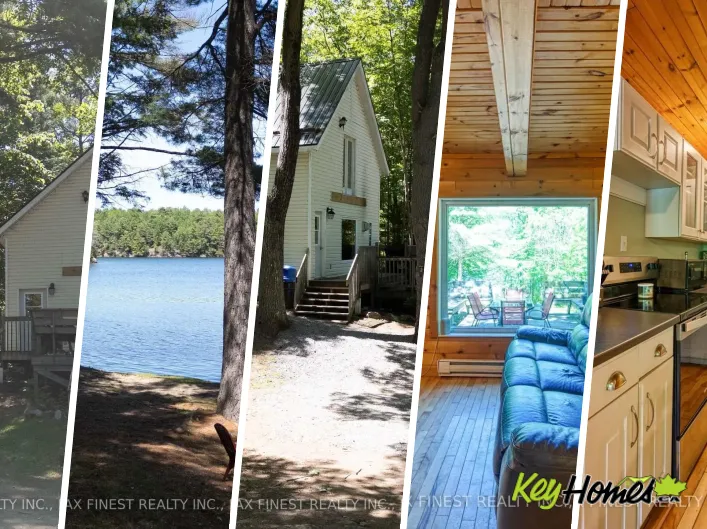

Knowlton Lake: clear, quiet waters and practical considerations for Ontario cottage buyers
Set in South Frontenac, north of Kingston, knowlton lake draws buyers seeking clean water, granite shoreline, and a lower-key pace than bigger, busier chains. If you're scanning cottages for sale in knowlton lake, the same fundamentals apply here as across Eastern Ontario: verify zoning and shoreline rules early, budget for well/septic due diligence, and plan your exit strategy before you buy. The guidance below reflects typical Ontario practice and South Frontenac norms; always confirm property-specific details with the Township and Cataraqui Conservation, as regulations and mapping can change.
Where it is and why it appeals
Knowlton Lake sits within the Frontenac/Land O'Lakes region, an area known for rugged Canadian Shield terrain, tall pines, and spring-fed lakes. Compared to more commercialized corridors, it feels quieter, with a mix of traditional cottages, upgraded year-round homes, and a handful of newer builds. Buyers value the privacy, dark skies, and relatively easy access to Kingston's hospitals, services, and Highway 401.
Market snapshot and seasonality on Knowlton Lake
Inventory is limited most years, which means pricing is primarily driven by lake frontage quality (width, topography, sun exposure) and year-round usability. Seasonal trends you can expect:
- Early spring: New listings and competitive bidding on turn-key, four-season properties with good frontage and modern septic.
- Mid-summer: Strong showing activity; waterfront that “shows well by boat” sees price support. Buyers sometimes waive flexible closing for summer possession.
- Autumn: Practical inspections (furnace, chimney, water system winterization) become easier to schedule; negotiations often hinge on test results and closing timelines.
- Winter: Fewer listings; motivated sellers may consider conditional offers while access constraints (private roads) influence lender comfort.
For broader context and lake-by-lake comparisons, data-driven resources like KeyHomes.ca help buyers explore listings and historic trends across Ontario and other provinces. For example, reviewing activity on nearby Kennebec Lake in Arden or the busier Chemong Lake cottage market can help set pricing expectations and time your search.
Zoning and land-use: know your rules before you design your plans
Township zoning and conservation oversight
Properties around Knowlton Lake are regulated by South Frontenac's Zoning By-law and the Cataraqui Region Conservation Authority (CRCA). Expect minimum shoreline setbacks (commonly 30 m for new development), limits on lot coverage, and controls on vegetation removal and shoreline alteration. Site Plan Control often applies in waterfront areas, adding detail to how you manage erosion, stormwater, and tree protection.
Many Eastern Ontario waterfront parcels include a 66-foot Original Shore Road Allowance (OSRA). If it hasn't been “closed and purchased,” you may not own right to the water's edge, which can affect dock placement, building setbacks, and resale optics. Confirm OSRA status, surveys, and any encroachments before finalizing your offer.
Accessory buildings, docks, and boathouses
- Sleeping cabins/bunkies are typically permitted in limited sizes; kitchens may be prohibited to prevent unauthorized second dwellings.
- On-water boathouses are tightly regulated or discouraged; land-based storage and modest docks are more typical.
- Dock and shoreline work may require CRCA review and, in some cases, federal fisheries considerations. Avoid in-water work during fish spawning windows.
Regulations vary by property and evolve; verify each plan with the Township and CRCA before you commit funds.
Water, septic, and the realities of rural systems
Wells, waterlines, and winterization
Most properties rely on a drilled well (some older cottages draw lake water seasonally). Lenders will often require a potable water test for mortgage approval on four-season homes. If drawing from the lake, budget for treatment or discuss converting to a drilled well. In limestone terrain, water can be hard or contain iron/sulphur; testing informs treatment design and insurance underwriting.
Seasonal waterlines must be winterized. If you intend year-round use, inspect heat tracing, crawlspace insulation, and the water system's freeze protection. Insurance companies may require a reliable heat source and proof of winter suitability.
Septic systems and compliance checks
- Septic approvals fall under the Ontario Building Code (Part 8). For older systems, a pump-out and inspection report is a practical condition.
- System capacity must match bedrooms/occupancy. An undersized tank or saturated bed is a common deal risk.
- Buyer tip: Make your offer conditional on a satisfactory septic inspection and a water potability test; ask for records of installations, upgrades, and any permits.
Financing and insurance nuances for cottages
Ontario lenders typically classify properties as Type A (year-round accessible, permanent foundation, potable water, standard heat) or Type B (seasonal access or partial services). Expect:
- Type A: Conventional down payment as low as 5–20% depending on use and insurer guidelines; full underwriting including water test.
- Type B: Larger down payments (often 20–35%), shorter amortizations with some lenders, and higher scrutiny if private/seasonal roads are involved.
Wood stoves and fireplaces require WETT inspections for insurance. Private roads may need documented maintenance agreements. Budget for life-cycle items—septic replacement, shoreline stairs, deck and roof—when comparing two otherwise similar cottages.
Short-term rental (STR) considerations
Many Eastern Ontario townships have adopted or are evaluating STR licensing, occupancy limits, and parking/noise rules. South Frontenac has considered measures similar to peer municipalities; treat licensing and taxation as a moving target and confirm current requirements with the Township. Practical points:
- Occupancy often ties to septic capacity and bedroom count.
- HST applies to most short-term stays; some municipalities impose a MAT (municipal accommodation tax), though coverage varies outside major centres.
- Insurance must explicitly allow STR activity; standard homeowner policies may exclude it.
If you're comparing investment performance across regions, review markets with established frameworks such as Virgil in Niagara-on-the-Lake, where winery-focused tourism shapes nightly rates and seasonality, or larger cottage communities like Chemong with Trent-Severn access.
Resale potential: what drives value on Knowlton Lake
Frontage, access, and year-round comfort
- Wide, usable frontage with gentle topography and sunset exposure supports resale.
- Year-round municipal road access is a strong value lever; private/seasonal roads narrow the buyer pool.
- Modern septic, drilled well, and efficient heating (propane or heat pump) reduce buyer friction.
- Reliable high-speed internet (fibre or satellite) increasingly affects both enjoyment and valuation.
Fishing and boating matter to many buyers. Eastern Ontario lakes commonly support bass and panfish; some hold lake trout in cold-water basins. Regulations and species vary by lake and zone—verify Knowlton Lake's current fishery details with Ontario MNRF before assuming specific species or seasons.
To benchmark value, compare with similar shield lakes like Kennebec Lake, or, for a busier vibe, study Chemong. National buyers can also weigh alternatives such as Trout Lake in BC, Rosen Lake, or northern options like Burns Lake and Anahim Lake, all searchable via KeyHomes.ca when exploring cross-province lifestyle fits.
Lifestyle and practicalities around Knowlton Lake
Access, services, and four-season living
Knowlton Lake is within a reasonable drive of groceries, hardware, and fuel in Sydenham or Verona, and major services in Kingston. Snow removal is a key differentiator: municipal roads are plowed; private lanes may require shared agreements and budget contributions. School bus access and emergency response times matter if you plan permanent residency.
Boating etiquette, wakes, and noise
Expect a mixed-use lake with paddlers, anglers, and powerboats. Maintain respectful wake distances from shore and wildlife, especially loon nesting zones. Sound carries over water; adherence to quiet hours preserves community goodwill—important for both personal enjoyment and STR viability.
Due diligence roadmap for a Knowlton Lake purchase
- Title and surveys: Confirm lot lines, easements, and OSRA status; title insurance can mitigate some risks.
- Municipal file check: Zoning compliance, open/closed building permits, site plan control, and any orders to comply.
- Conservation authority: Setbacks, vegetation protection, and shoreline work permissions.
- Water and septic: Potability test, well yield, septic pump-out/inspection, and capacity confirmation.
- Access: Year-round maintenance, snow plowing agreements, and road ownership.
- Heating and safety: WETT for wood appliances, fuel tanks, electrical panel capacity, and insurance eligibility.
- Usage plans: If renting short-term, verify licensing, occupancy, and tax obligations; build neighbour-friendly house rules.
Buyers who are also surveying other regions can compare fee-simple and leasehold nuances—especially relevant around communities like Curve Lake—and even evaluate returns on prairie and western lakes such as Floating Stone Lake in Alberta or Cowan Lake in Saskatchewan. Cross-market context helps calibrate expectations for both personal use and investment performance.
As you refine your short list, a balanced approach—grounded in zoning clarity, system inspections, and an honest view of year-round access—tends to produce the best long-term outcome on Knowlton Lake. When you need a deeper data cut or a second opinion, platforms like KeyHomes.ca provide a practical way to research market activity across lakes, connect with licensed professionals, and track inventory as it changes through the seasons.