
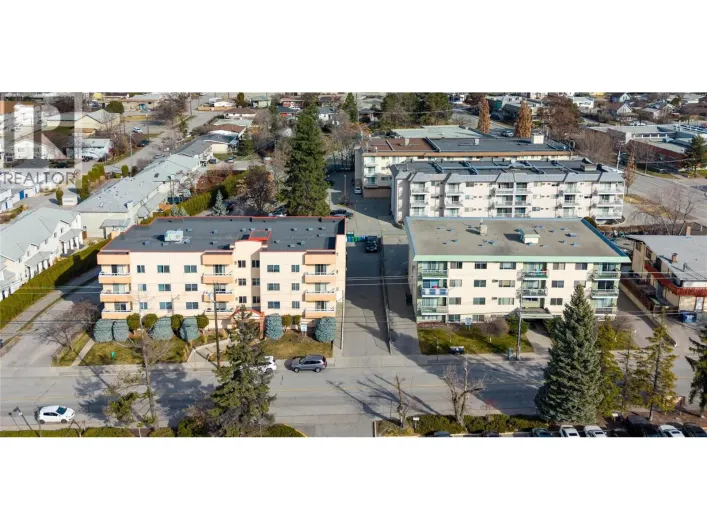

Multi family Penticton: practical guidance for buyers and investors
Penticton's multi-family landscape combines small-scale infill (duplexes, triplexes, and fourplexes) with purpose-built walk-up apartments and townhouse complexes. If you're evaluating a multi unit for sale or scanning for a 4 plex for sale or even a 6 plex for sale in the South Okanagan, the fundamentals here are shaped by recent provincial upzoning, local short-term rental rules, wildfire/insurance considerations, and a highly seasonal tenancy cycle. Below is a grounded overview to help you frame due diligence on multi family homes for sale in Penticton.
What counts as “multi-family” in Penticton?
In practice, buyers look at three buckets:
- 1–4 units: duplex/triplex/fourplex for sale options. These are often financed on residential terms (subject to lender policy) and appeal to owner-occupiers wanting a unit house with mortgage helper(s).
- 5+ units: typically under commercial underwriting. A multi residential property for sale with 5–12 suites is common in older Penticton walk-ups.
- Townhouse row or stratified multi-family: rental restrictions depend on strata bylaws and provincial legislation; service life and building envelope condition matter.
Financing nuance: For 1–4 units, lenders weigh your personal income plus subject property rents. For 5+ units, lenders underwrite the building primarily on net operating income with debt-service coverage requirements (often around 1.20–1.30x, lender-specific). CMHC's MLI Select can materially improve loan proceeds and amortization if the property meets energy, accessibility, or affordability criteria. Always confirm current lending policies and insured options.
Multi family Penticton zoning and densification
British Columbia's Small-Scale Multi-Unit Housing framework (Bill 44) requires many municipalities—including Penticton—to allow 3–4 units on formerly single-detached lots, with detailed implementation varying by lot size, servicing, and proximity to transit. You'll also see established multi-family zones (e.g., RM designations) in areas near major corridors like Green Ave Penticton and Van Horne Street Penticton.
- Buyer takeaway: Verify current zoning, minimum lot area, height, parking, and infill rules directly with the City of Penticton Planning Department. Provincial policy sets the floor, but local bylaws and servicing constraints (sanitary capacity, stormwater) dictate what you can actually build or convert.
- Corner lots and wide frontages near transit often pencil better for gentle density (e.g., converting a bungalow to 3–4 suites) than mid-block, narrow sites.
Example: A 7,000 sq. ft. lot near Green Avenue might allow a side-by-side duplex with secondary suites, depending on current rules and servicing. If rezoning or a development permit is required, budget time for public process and Development Cost Charges (DCCs).
Short-term rentals, long-term tenancy, and compliance
Provincial short-term rental legislation introduced in 2024 tightened rules in communities like Penticton. Most residential zones increasingly require a principal residence for short-term stays, with fewer carve-outs. If your investment thesis includes nightly rentals, assume principal-residence only unless you verify a lawful, transferable non-conforming use with the City. Enforcement has been strengthening, and fines can be significant.
For long-term rentals, British Columbia's Residential Tenancy Act governs deposits, notice periods, and rent increases. The annual rent increase cap changes year to year; confirm the current percentage on the provincial website before underwriting. Renoviction rules and required permits/processes have tightened, particularly for older stock. Build conservative assumptions into your pro forma.
Seasonality and market timing
Penticton's tenancy and buyer activity are seasonal. Spring to early summer brings the most listings and leasing turnover, driven by tourism, local employment cycles, and post-secondary demand from Okanagan College. Winter can see softer listing volumes but tighter negotiation windows on quality assets, especially well-located multi family properties for sale within walking distance of the lakes, hospital, and transit lines.
If you're comparing yield and price points across the Okanagan/Interior, it's useful to review data from nearby markets. For example, you can scan recent transactions and inventory via KeyHomes.ca's regional pages, such as multi-family activity in Vernon or small-building opportunities in Salmon Arm. These markets often move in tandem with Penticton but can diverge in cap rates due to local employment and supply constraints.
Location matters inside Penticton
North end locations near Okanagan Lake, the downtown core, and the hospital command stronger tenant demand and resale liquidity. South end pockets near Skaha Lake and along corridors like Green Avenue and Van Horne Street can offer attractive land value and redevelopment potential, but pay close attention to traffic exposure, school catchments, and parking requirements.
- Near Green Ave Penticton: look for duplex or fourplex infill on larger lots; confirm sidewalk, lane access, and on-site parking compliance.
- Around Van Horne Street Penticton: older rental stock may offer value-add via suite legalization, energy upgrades, and curb appeal improvements—subject to permits.
Resale potential and exit strategies
Resale depth is strongest for well-renovated 1–4 unit properties that appeal to both investors and owner-occupiers. A legal secondary suite or stratifiable layout increases your buyer pool. For 5+ unit assets, exit timing is sensitive to interest rates and lender appetites. Buildings with stabilized rents, separate meters, updated roofs/envelopes, and good fire/life safety documentation trade more efficiently.
Value-add that tends to pay back: addressing deferred maintenance (roof, boilers, windows), updating common areas, improving unit finishes to mid-market durability, and reducing utility expenses via LED retrofits or heat pump upgrades. Document all improvements for appraisers and buyers.
Building condition and risk management
Many multi-family buildings in Penticton date from the 1960s–1980s. Typical diligence items include:
- Electrical: aluminum wiring and subpanels; ensure proper pigtailing and permits.
- Plumbing: poly-B and galvanized lines; scope mains and replace as needed.
- Envelope: older stucco/wood siding and window assemblies; check for moisture ingress.
- Life safety: interconnected smoke/CO alarms, fire separations, extinguishers, and exit lighting compliant with current code.
- Environmental: asbestos-containing materials common in texture coats and flooring—plan for safe handling during renovations.
- Insurance: wildfire risk and rising replacement costs can materially impact premiums and lender requirements; obtain quotes early.
Buyer takeaway: Commission a full building condition assessment for 5+ unit assets and a thorough home inspection for 1–4 units, alongside permit history and a compliance letter from the City.
Rural and lakeshore multi-unit considerations
While most multi family homes for sale are on city services, some duplexes or small plexes in outskirts like Naramata, Kaleden, or Okanagan Falls may be on septic/well. Confirm system capacity for the number of bedrooms and suites, review pump-out logs, and check for any upgrades tied to additional dwelling units. Properties in the Agricultural Land Reserve (ALR) have unique restrictions on additional dwellings; verify with the ALC and the regional district before assuming density potential.
Example scenarios
1–4 units: the owner-occupier angle
Consider a legal fourplex for sale near Skaha Lake. With two 2-bed and two 1-bed suites, residential financing may be available, using a blend of personal income and market rents. Living in one unit stabilizes management and qualifies you for better financing than a pure investment purchase. Ensure all suites are legal or legalizable; assume costs for egress windows, fire separations, and electrical upgrades if not.
5–12 units: commercial underwriting
A 10-suite walk-up along a transit route may qualify for CMHC-insured debt if it meets MLI Select criteria. If current rents are below market, underwrite in-place net income first, then model staggered turnover consistent with BC tenancy rules. In a rising rate environment, negotiate sufficient time for financing conditions and appraisals, and include a robust environmental (Phase I, and Phase II if flagged).
Operating costs and pro forma realism
Line items that investors often underestimate in Penticton:
- Water/sewer rates and garbage/recycling fees, especially if suites are not separately metered.
- Seasonal landscaping and wildfire mitigation (clearing combustibles, vent screening).
- Vacancy/leasing costs during winter compared to peak spring/summer turnover.
- Capital expenditures to meet energy or code upgrades—tie these to potential MLI Select points where applicable.
Comparing Penticton to other Canadian markets
Investors weighing yield across Canada can benchmark against markets with differing dynamics. For instance, review Burnaby multi-family listings and redevelopment patterns to understand how Metro Vancouver zoning pressures differ from the Okanagan. In Ontario, Etobicoke low-rise apartments and Newmarket multiplex inventory offer contrasting cap rates and rent control contexts, while Welland and Caledon illustrate small-city versus exurban pressures. In Atlantic Canada and Quebec-adjacent regions, consider Dieppe's multi-family stock. Resource-market volatility affects places like Timmins, and public-sector anchors help stabilize Pembroke.
KeyHomes.ca is a useful, neutral resource for cross-market research—browse inventory, scan days-on-market, and compare building ages and typical suite mixes to support your Penticton underwriting assumptions.
Regulatory and permitting checkpoints
- Confirm whether your intended use (e.g., adding basement suites, converting to 4 units) is outright permitted or requires a variance or development permit.
- Request a property file review: past permits, bylaw infractions, and outstanding work orders can be deal-breakers.
- If you see “non-conforming” language on an older multi residential property for sale, clarify exactly which elements are legal non-conforming and what triggers loss of status.
Because rules evolve, a quick pre-offer call or email to City Planning can prevent surprises. A licensed local professional—reachable through a brokerage or a data-forward platform like KeyHomes.ca—can also flag recent bylaw updates affecting parking minimums, height, and small-lot infill.
Pricing, offers, and negotiation
For duplexes and fourplexes, values track end-user affordability plus investment yield. Competitive offers typically include rent rolls, estoppel certificates where applicable, suite legalization evidence, and a realistic condition period for inspections and financing. For 5+ unit buildings, sellers expect buyers to arrive with a draft pro forma, environmental scope, and proof of lender interest; timing clauses around insurance quotes are prudent given wildfire exposure in the Okanagan.
Final cautions before you buy
- Assume short-term rentals are restricted to a principal residence unless proven otherwise by the City.
- Underwrite capex for envelope, mechanicals, and life-safety upgrades in older stock.
- Verify current zoning and density permissions; provincial upzoning does not override servicing constraints.
- Check insurance and financing early—premium spikes and DSCR requirements can alter your maximum price.
With grounded expectations and diligent verification, a Penticton multi-family—whether a modest multi unit for sale or a stabilized walk-up—can balance lifestyle appeal with long-term resilience in a growing Okanagan economy.