




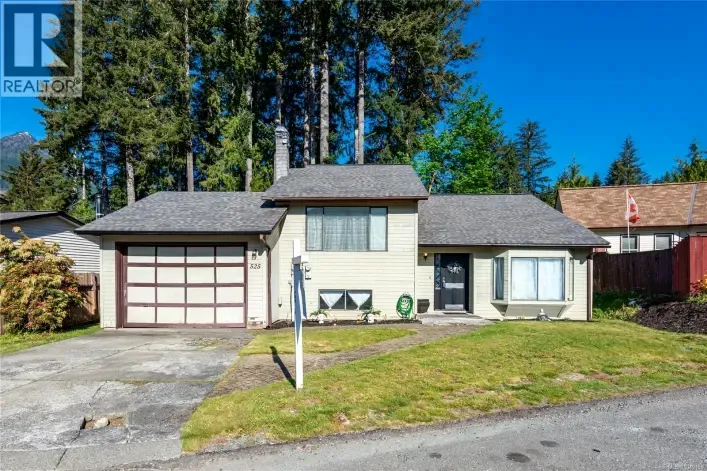

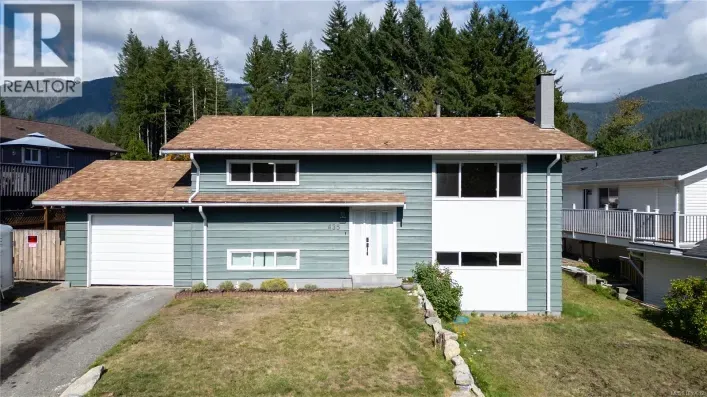


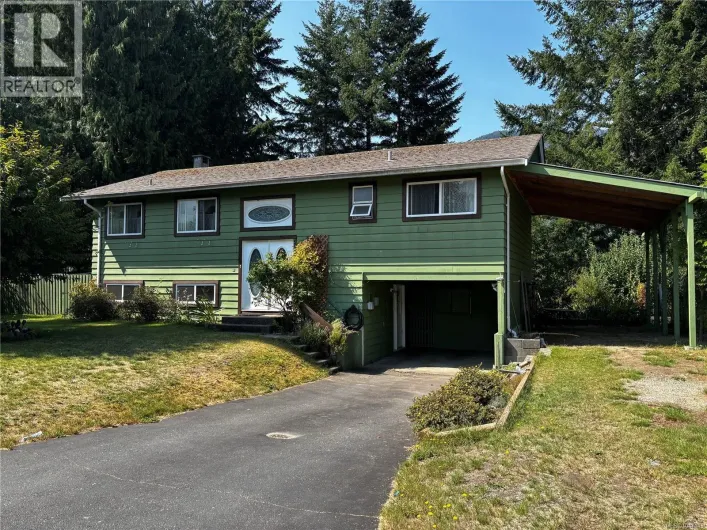
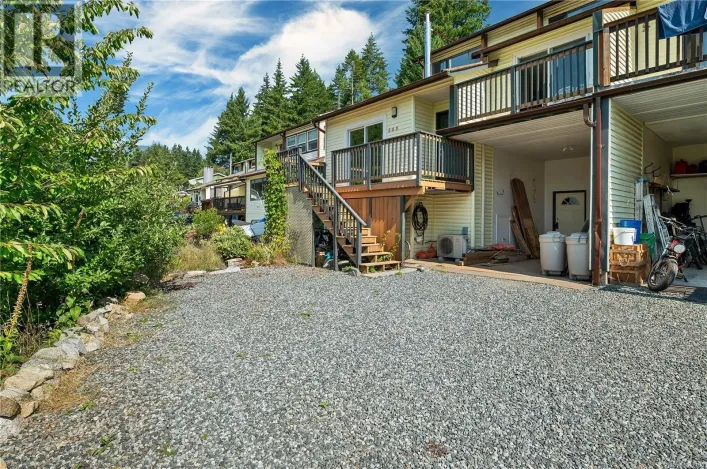






Home Prices in Gold River
To understand Gold River real estate prices, start by comparing homes with similar features in similar locations. A property's asking price reflects its condition, usable space, lot layout, and access to everyday services. A well-maintained home with a practical floor plan may offer better value than a larger property that needs significant work. When comparing prices, consider what the asking price includes and which expenses, such as roof repairs or heating upgrades, you may face after closing.
Matching listings: 23
Average asking price by property type
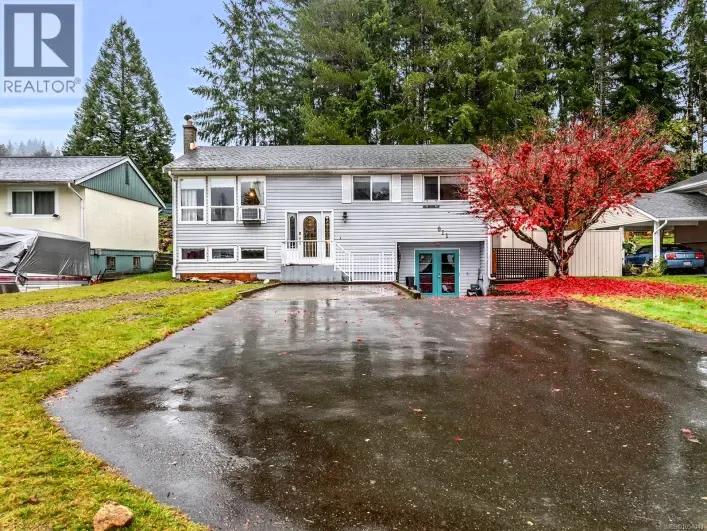
- Houses
- 11 listings
- $667,200
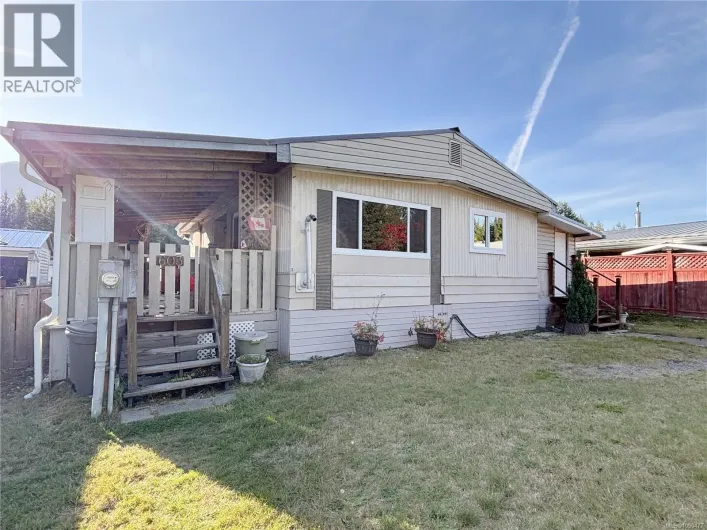
- Townhomes
- 3 listings
- $255,500
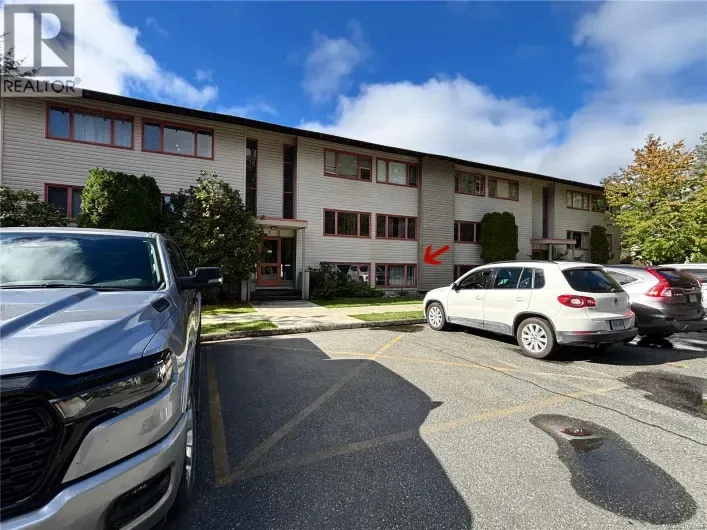
- Apartments
- 1 listing
- $185,000
The balance between available listings and buyer demand helps put asking prices in context. When Gold River homes for sale vary widely in size or condition, the mix of listings can make overall prices appear to shift even if comparable homes are priced much the same. Time on market and price changes add context, but neither tells the whole story. Sellers can use recent sales of similar homes to set expectations, while buyers can use those comparisons to judge whether an asking price reflects the property's condition and location.
Explore Gold River Listings by Home Type and Location
Gold River real estate listings on the MLS® are a starting point for comparing detached homes, townhouses, and condos. A detached house may suit buyers who want a yard, workshop, or more control over exterior maintenance. If you're comparing Gold River condos for sale, check what strata fees cover and which repairs are the owner's responsibility. Location can matter even between similar homes: a quieter side street, an easier route to shops, or a driveway with a gentler grade may be more useful day to day than an extra room.
When browsing Gold River houses for sale, use filters such as price range, bedroom and bathroom counts, lot size, parking, and outdoor space to build a shortlist. Photos can show daylight, storage, and yard layout, while floor plans help you see whether bedrooms offer privacy and whether there's enough space for furniture or a home office. Check recent sales of similar homes and any price changes on your shortlisted properties to see which asking prices leave room in your budget for necessary updates.
Neighbourhoods & amenities
When comparing Gold River neighbourhoods, think about whether your daily routine would be easier closer to village services or better served by access to wooded areas. Living near schools and parks can simplify family schedules, while nearby trails may matter more if you spend much of your free time outdoors. Look at the route as well as the distance on a map: hills, walking conditions, and transportation options can affect how convenient a location feels. On the property itself, slope, drainage, and exposure can influence how often you use the yard and how much work it takes to maintain.
Gold River City Guide
Gold River is a village in the interior of Vancouver Island, British Columbia, west of Campbell River and a short drive inland from Muchalat Inlet. Forested mountains and river valleys shape the setting, while the village's planned layout reflects its industrial history. This guide looks at how Gold River developed, what supports the local economy, and what to expect from housing, travel, and the changing seasons.
History & Background
The Gold River area is in the traditional territory of the Mowachaht/Muchalaht First Nation. Long before the modern village was built, Indigenous communities lived, travelled, and traded along the waterways of the Nootka Sound region. Yuquot, on Nootka Island, is an ancestral home of the Mowachaht and a significant place in the history of contact between Indigenous peoples and European maritime traders. The Nation's connection to the area continues today.
The modern village took shape in the 1960s as a planned community serving a pulp mill and nearby logging operations. The mill stood on Muchalat Inlet, separate from the residential townsite, and its eventual closure changed the local economy. Other communities in the region, such as Kelsey Bay, share aspects of that industrial history. The connection reflects the role of forestry and marine transportation in shaping Vancouver Island communities, not a shared local service area.
Economy & Employment
Forestry still contributes to the wider Gold River economy, though the village no longer revolves around a single large mill. Logging and related contracting can provide work in equipment operation, hauling, and maintenance. Other employers operate in local government, education, health services, retail, and trades. In a village of this size, hiring can be intermittent: a sector may have a steady local presence without many job openings at any given time.
Visitor spending supports accommodation, food services, and outdoor recreation businesses. Gold River provides road access for trips toward Nootka Sound, where fishing and marine outings draw visitors, particularly in warmer months. Some tourism jobs follow that seasonal pattern. If you're considering a move, check which services are available in the village and which require travel. Gold River covers many routine needs, but specialist appointments, some repairs, and a wider range of shopping may mean a trip to Campbell River.
Neighbourhoods & Lifestyle
Gold River's neighbourhoods are residential areas within a compact village, not separate districts with their own shopping streets. Much of the housing reflects the village's development as a planned mill town, with detached houses and some attached or multi-unit options. The selection of homes for sale or rent can be limited at any given time. If you plan to buy a house in Gold River, consider the route to schools, recreation facilities, and shops, especially in winter or if only one person in your household drives.
Living in Gold River puts forest walks, river outings, and freshwater fishing within reach, while local recreation facilities and community activities offer indoor options during wet weather. Communities such as Woss and Quadra Island are options for regional outings rather than adjacent parts of the village. Woss is a separate community to the north, while getting to Quadra Island on the regular vehicle ferry means travelling through Campbell River.
Getting Around
Highway 28 is the main road connection to Gold River, running from Campbell River through the Strathcona Provincial Park area. The drive follows lakes and mountain valleys, with winding stretches that make travel time more useful than distance alone when planning an appointment or supply run. Winter weather, roadwork, and temporary closures can affect the trip. Depending on where you live, you may be able to walk to some everyday errands. For regional trips, a private vehicle is generally the most practical option: transit choices are limited, and highway cycling is different from riding on village streets.
The road from Gold River to Muchalat Inlet leads to a waterfront departure point for trips farther into Nootka Sound. Plan those marine outings separately from highway travel, since they serve different destinations. If you're exploring the wider region, check travel routes before planning a trip to Courtenay or West Thurlow Island. Neither is a straightforward daily commute from Gold River: Courtenay is beyond Campbell River by road, while West Thurlow Island requires travel by water and is not a regional service hub.
Climate & Seasons
Gold River has a wet coastal climate, but its inland mountain setting can make conditions different from those on Vancouver Island's east coast. Rain is frequent in autumn and winter, and snow is possible in the village and on higher sections of surrounding roads. Heavy rain can raise river levels and make trails muddy or slippery. In spring, lower-elevation walks can be a good option while higher mountain trails are still covered in snow.
Summer generally brings warmer, drier weather and longer days for hiking, fishing, and outings on the water. Conditions at Muchalat Inlet or farther into Nootka Sound can differ from those in the village, particularly when wind or fog develops. Autumn tends to be quieter as summer visitation tapers off, though shorter days and wetter trails leave less time for longer outings. For residents, a practical seasonal change is how much flexibility a trip takes, whether it's a short walk near home or a drive across the island.
Market Trends
Recent sales and active listings offer different views of Gold River market trends. Recent sales show what buyers have paid for homes, while active listings show what's available now.
The median sale price is the midpoint of sale prices for homes sold during a given period. It's a starting point for comparing Gold River prices, but condition and location can affect what an individual home sells for.
This summary doesn't provide a current listing count for Gold River. Browse active listings for the most direct view of what's available now.
Local market statistics can help you assess an asking price. A local real estate agent can explain how the property compares with similar homes that have recently sold.
Browse MLS® listings for detached homes, townhouses, or condos in Gold River. Listing alerts can help you spot properties that fit your search when they come on the market.
Nearby Cities
If you're comparing homes for sale in Gold River with other options on Vancouver Island and nearby islands, browse listings in Woss, Quadra Island, Courtenay, and Kelsey Bay.
Demographics
Gold River is a small Vancouver Island village where families, retirees, and working professionals live. Forested mountains and access to outdoor recreation give the village a rural feel rather than an urban or suburban one.
Detached homes are common in Gold River. If you're looking for a condo or a rental, check current listings, since those options can be more limited.