





















Home Prices in Quesnel
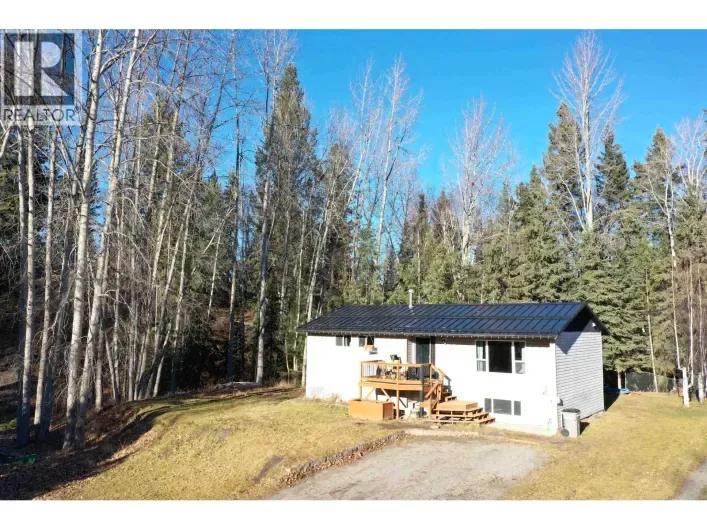
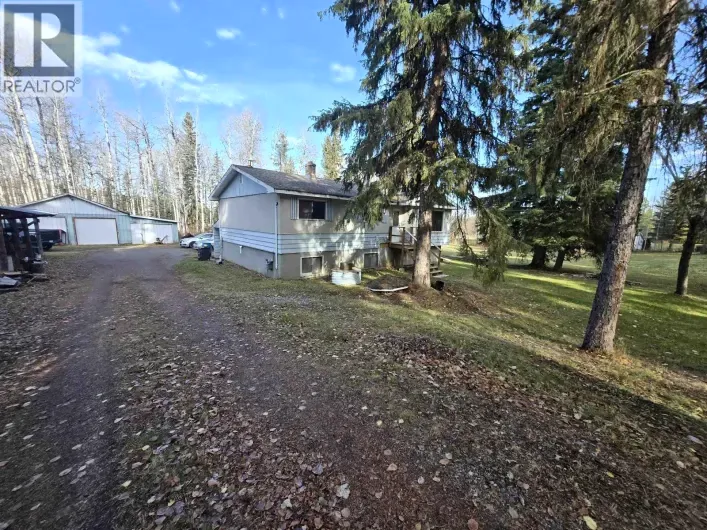
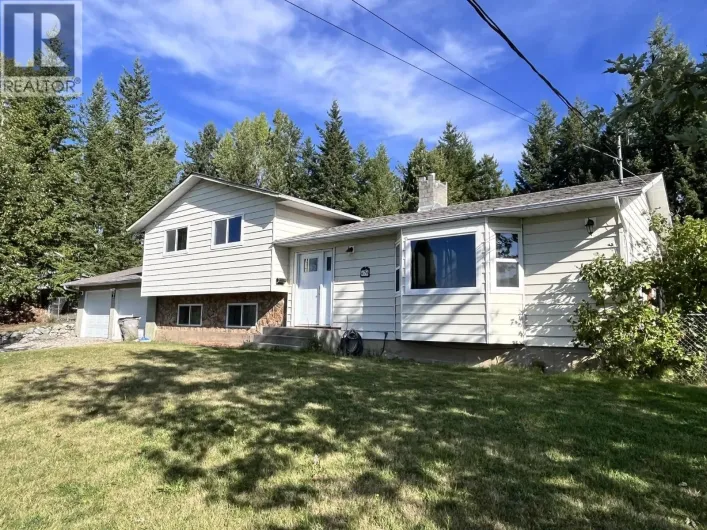
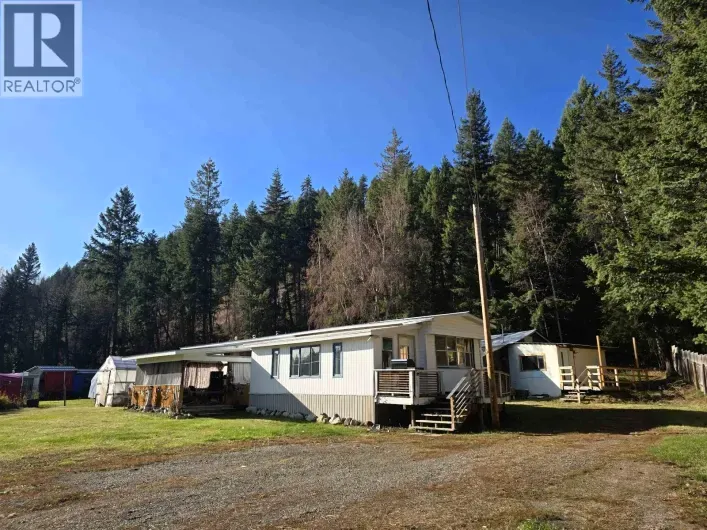
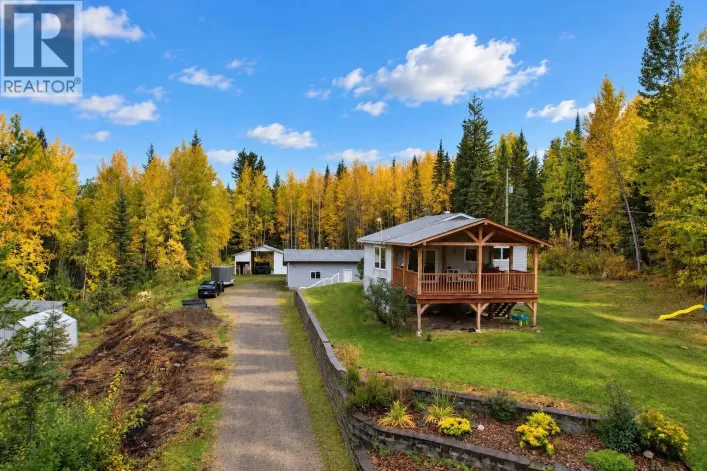
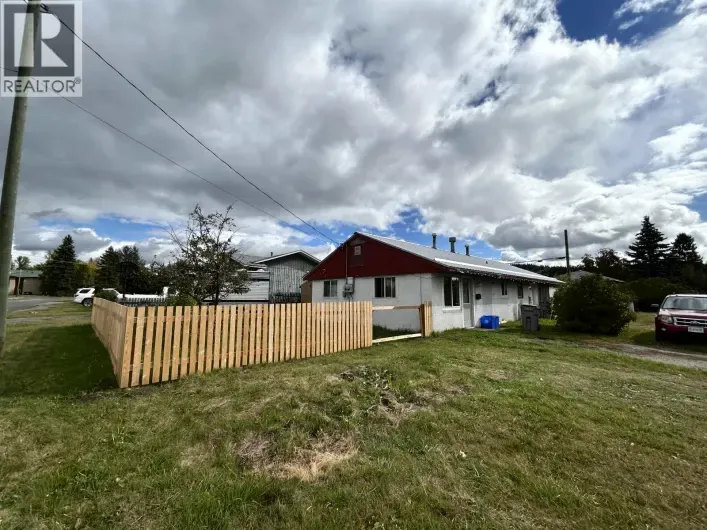
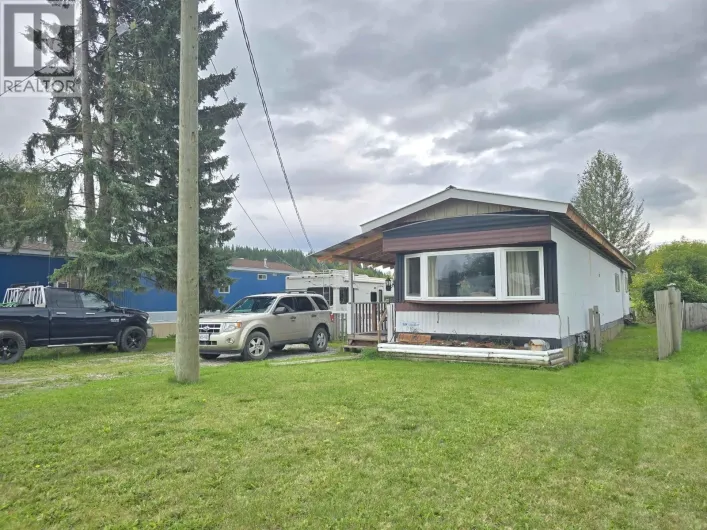
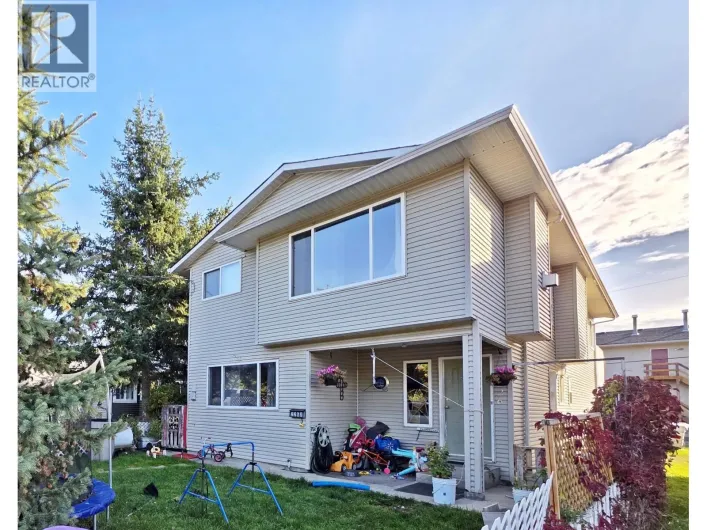
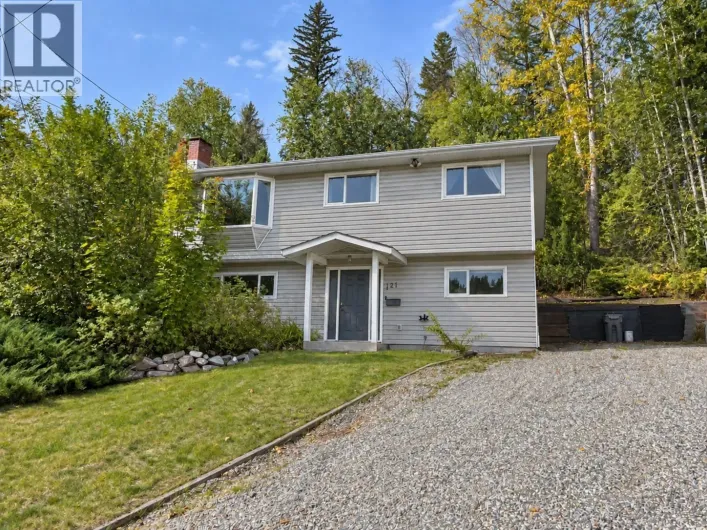
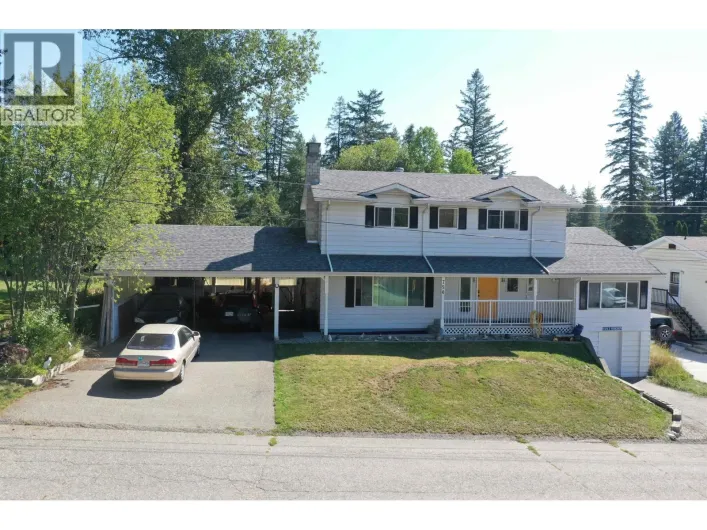
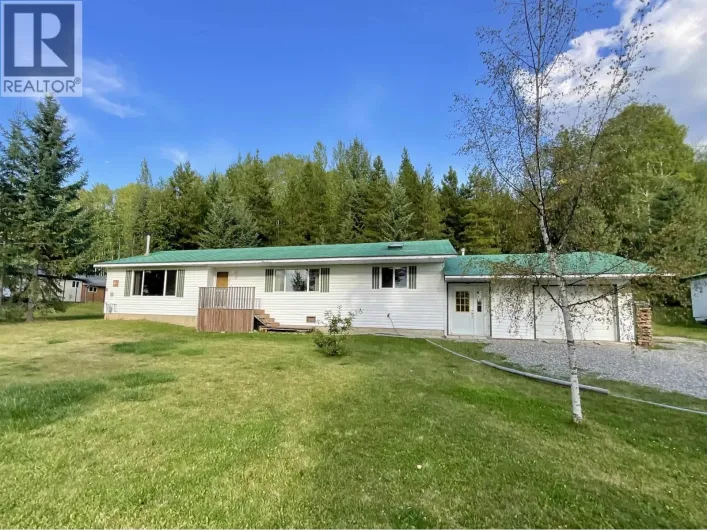
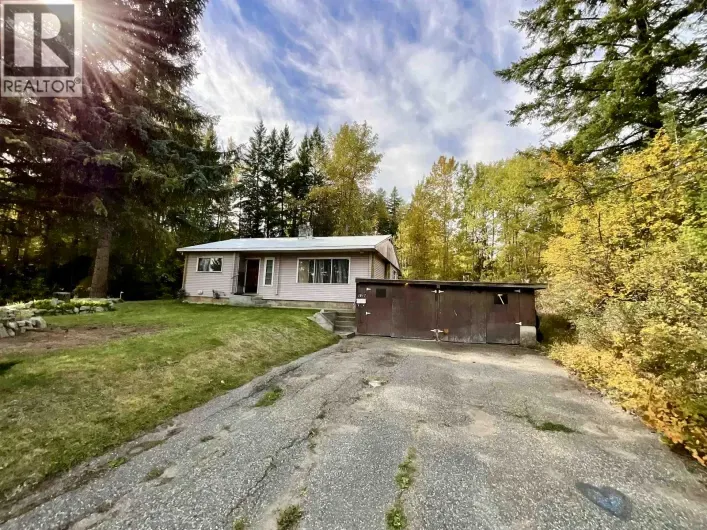
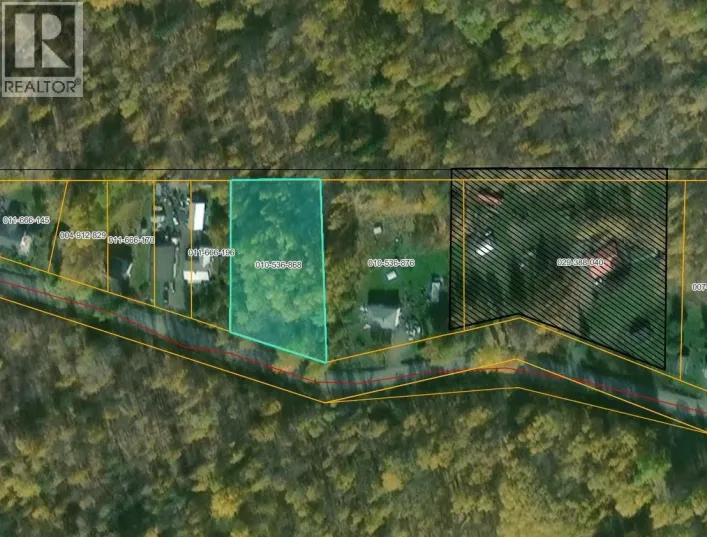
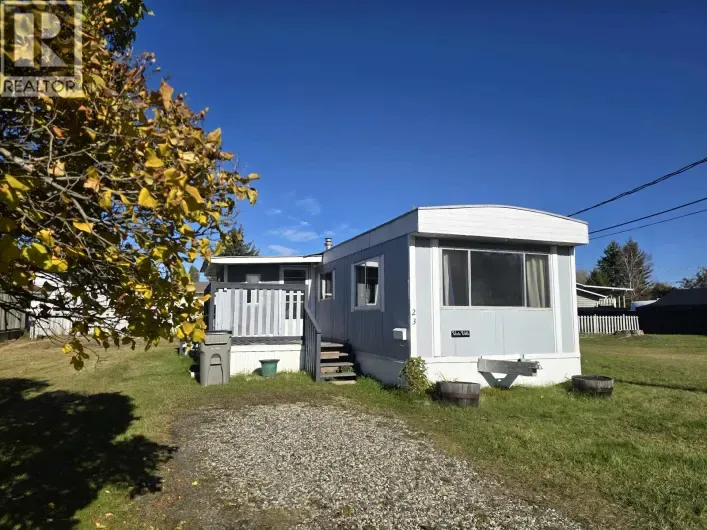
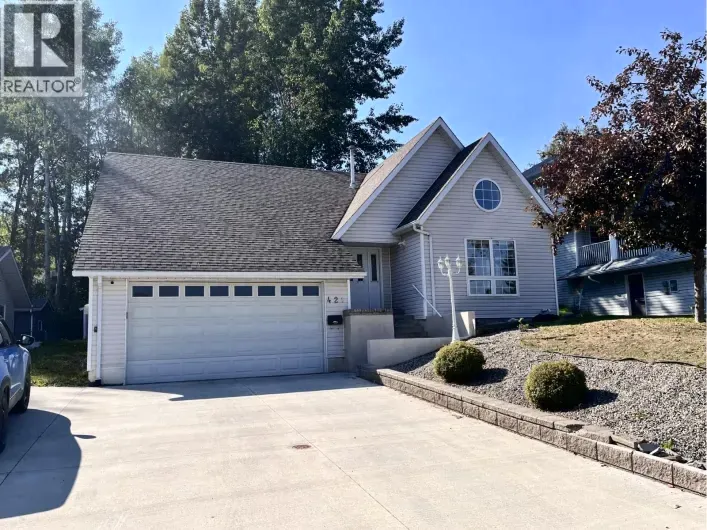
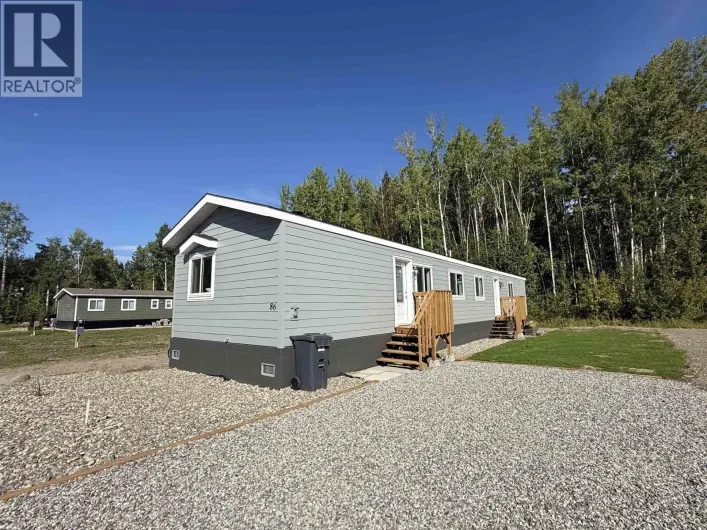
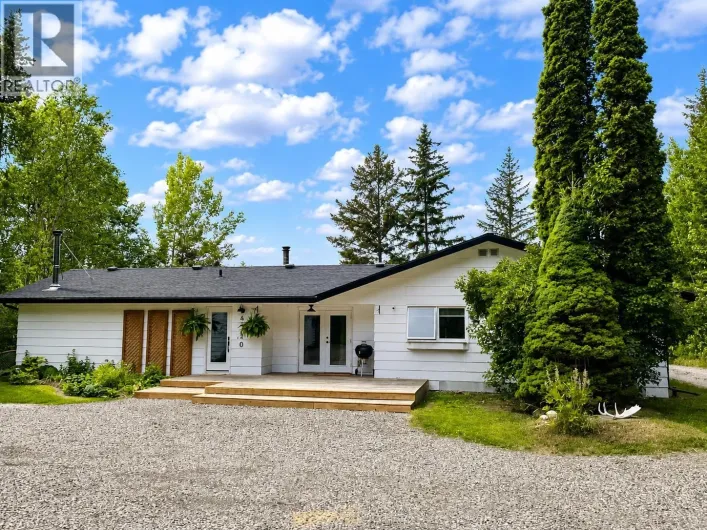
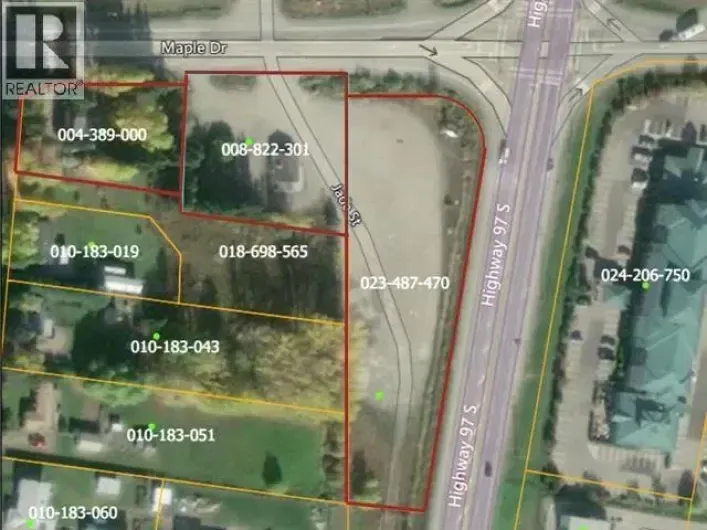
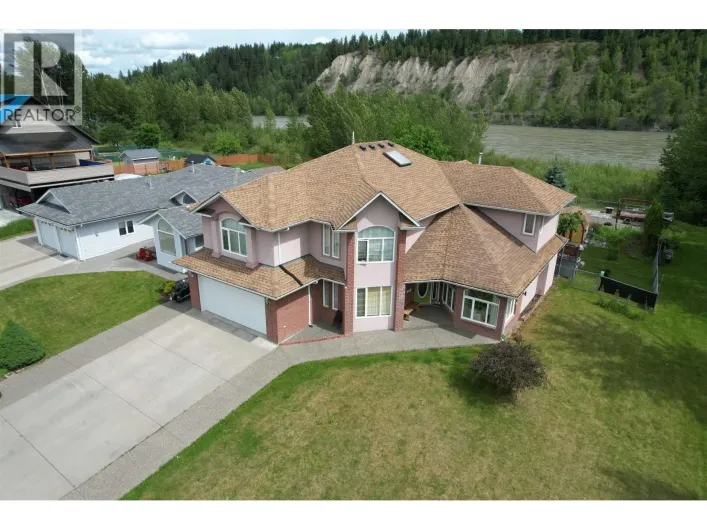
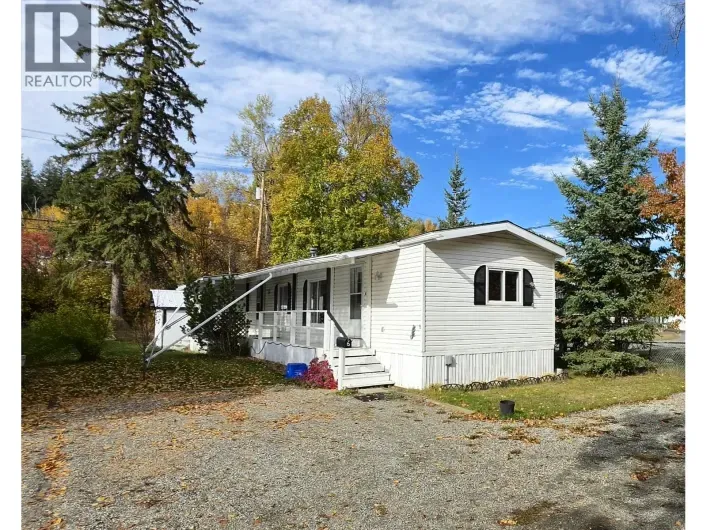
Asking prices in the Quesnel real estate market are most useful when compared with those of similar homes in the same part of the city. A detached house on a larger lot and a home close to everyday services can have similar asking prices but offer different trade-offs. Buyers can weigh upkeep, access and usable living space alongside price. Sellers can compare homes with similar layouts, lot features and levels of updating to see what else buyers might consider.
Matching listings: 200
Average asking price by property type
- Houses
- 81 listings
- $491,449
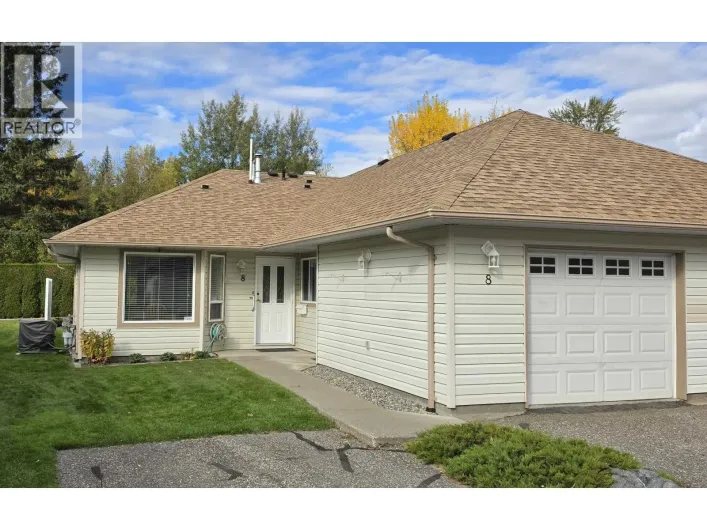
- Townhomes
- 2 listings
- $432,400
- Apartments
- 3 listings
- $113,267
The number of active listings, the mix of property types and the time homes spend on the market can help put asking prices in context. If the mix of Quesnel homes for sale changes, overall asking prices can shift even when comparable properties are priced much the same. For a clearer comparison, look at recent sales alongside active listings and account for differences in condition, location and features. A longer time on the market is worth a closer look, but it doesn't prove a home is overpriced.
Explore Quesnel Homes and MLS® Listings
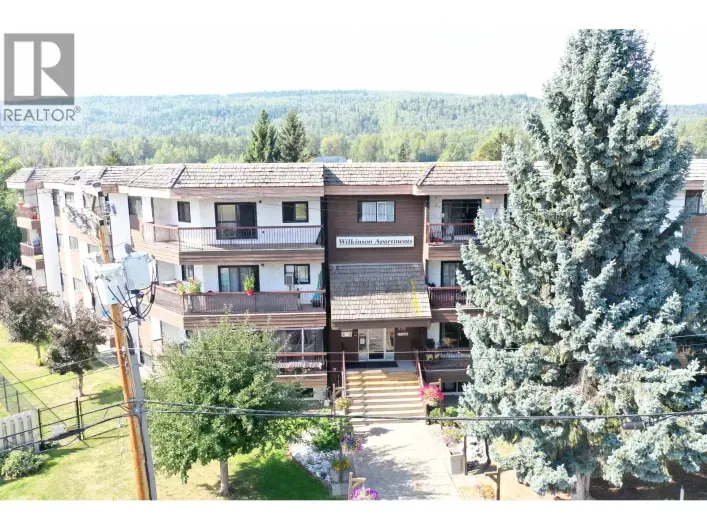
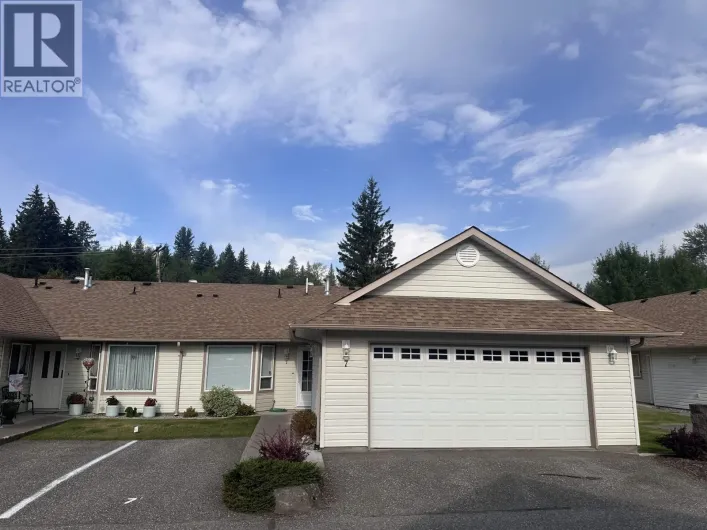
When browsing Quesnel real estate listings, start by deciding which features matter most in daily life. A detached house may offer more room for storage or outdoor projects, while a townhouse or condo may require less exterior upkeep. Where strata ownership applies, compare monthly fees, bylaws and who is responsible for repairs. Location matters even within a small area: a quieter side street may offer more privacy, while a home near shops and services can make routine errands easier.
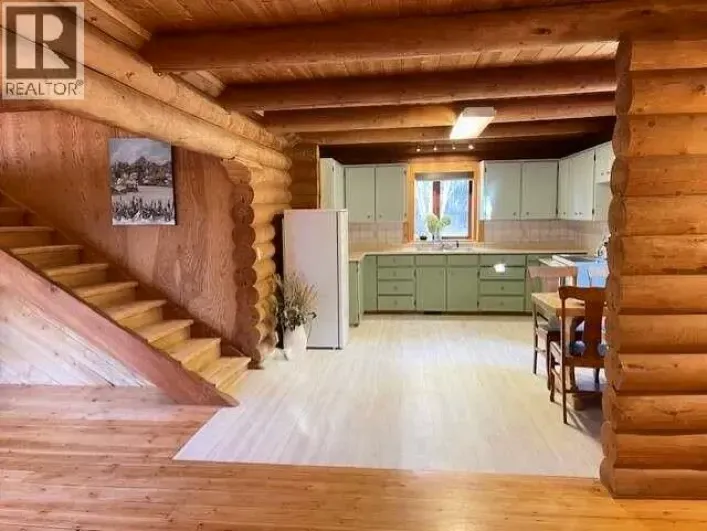
Whether you're browsing houses or condos for sale in Quesnel, filter by price, bedroom and bathroom counts, lot size, parking and outdoor space to build a shortlist. Photos can highlight finishes and natural light, while floor plans show how rooms connect and whether the layout suits your routines. A home with enough bedrooms, for example, may still lack space for a desk or storage near the entrance. Compare your shortlist with recent listings and sales to assess asking prices and flag details to check at a viewing.
Neighbourhoods & amenities
In Quesnel, a central location may suit buyers who want shops and services within easy reach, while neighbourhoods farther from the centre may appeal to those who want more outdoor space. When comparing access to schools, parks, transit stops and riverside paths, look beyond the distance on a map. Sidewalks, road crossings and winter conditions can affect how practical even a short trip feels. Sellers can give buyers a clearer picture of the location by describing which amenities are easy to reach.
Quesnel City Guide
Quesnel sits at the confluence of the Fraser and Quesnel rivers in British Columbia's Cariboo region, where a compact downtown meets riverfront trails amid wooded hills and lakes. Living here can mean walking to the library and local shops or driving into town from a property with more outdoor space. If you're looking to buy a house in Quesnel, this guide covers how the city developed, where people work and what to expect from local neighbourhoods, transportation and seasons.
History & Background
The area around Quesnel is part of the traditional territory of the Lhtako Dene Nation. The rivers were important to Indigenous communities long before the Cariboo Gold Rush brought prospectors and settlers to the region. During the gold rush, Quesnel became a supply and transportation point for mining districts to the east. Nearby communities such as Wells / Barkerville share ties to that history. Quesnel played a different role from the goldfields themselves: its river junction helped move people and supplies onward.
As mining activity changed, forestry and wood processing became central to the local economy, and Quesnel continued to serve nearby farming and ranching communities. The Quesnel and District Museum traces the area's development, while the historic Fraser River Footbridge shows how the river shaped connections between downtown and the west side. These landmarks help explain why the riverfront remains a prominent part of Quesnel today, even though the river no longer plays the same role in moving people and supplies.
Economy & Employment
Forestry remains an important part of Quesnel's economy. Beyond the mills, jobs include harvesting, hauling, equipment repair, maintenance and contracting. Demand for this work can shift with lumber markets, timber supply and changes in mill operations. Health care, education and public administration offer other employment paths, including jobs in patient care, schools and local services. Skilled trades also offer options outside forestry, particularly in construction, building maintenance and vehicle or equipment servicing.
Quesnel serves communities well beyond its city limits. People from surrounding areas come into town for groceries, appointments and other services, supporting local businesses and jobs in retail and hospitality. Agriculture and ranching are more visible outside the city and contribute to demand for supplies, transport and repairs. When deciding where to live, check the route to work: a home near downtown services may still be far from an industrial worksite, and driving may be more practical than transit for early or late shifts.
Neighbourhoods & Lifestyle
Downtown Quesnel is a good starting point if you like to run errands on foot. Shops, cafés, civic services and the library are clustered near one another, with the riverfront close by. Housing in and around the centre includes apartments and older detached homes. Across the Fraser, West Quesnel has established residential streets and everyday services. The bridge helps connect the two sides, but walkability depends on the address: a trip that looks short on a map can feel different if it involves a hill or a busy road.
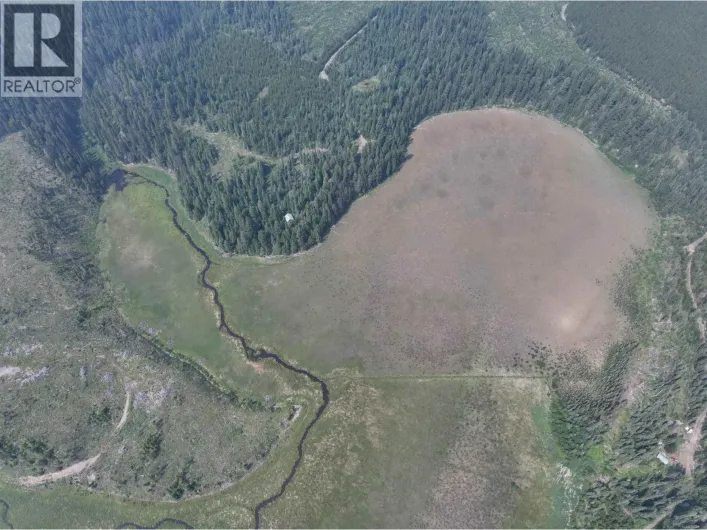
Farther from central Quesnel, housing tends toward detached homes, with larger lots in some outlying areas. Nearby communities such as Bouchie Lake and Red Bluff / Dragon Lake are useful comparisons if you're weighing proximity to town against more outdoor space or easier lake access. If you're considering a property outside the city, check water and septic service, road maintenance and internet availability for the specific address rather than assuming they're the same throughout the area.
The Riverfront Trail is an accessible starting point for exploring Quesnel on foot, and LeBourdais Park offers green space close to downtown. The Arts and Recreation Centre has indoor options when the weather turns, while local markets and community events are part of the warmer-season routine. For a change from downtown recreation, Dragon Lake and the surrounding countryside offer places to fish, paddle or simply spend time outdoors.
Getting Around
Highway 97 is the main north-south route through Quesnel, connecting the city with Prince George to the north and Williams Lake to the south. Highway 26 heads east toward the historic goldfields. For regional trips, nearby destinations include Hixon and Wells. The highway network makes these trips straightforward to plan, but winter conditions can change travel times, especially on roads away from the main corridor.
Quesnel has local bus service, but it's worth checking routes and schedules against the trips you make most often. A car can be useful if you live outside town, spend time at nearby lakes or work shifts outside transit hours. In central Quesnel, walking is practical for many errands, and riverfront paths offer a quieter alternative to busy streets for parts of a trip. For daily cycling, consider how hills, highway traffic and winter road conditions affect your route.
Climate & Seasons
Quesnel has an Interior climate, with warm summers and cold, snowy winters. Summer is well suited to lake outings and evening walks along the rivers, though wildfire smoke can sometimes affect air quality and outdoor plans. Autumn often brings cooler mornings and changing leaves along the river corridors. In early spring, a paved walk may be a better choice: melting snow can leave unpaved trails muddy even after streets in town have cleared.
Winter changes how people get around and spend time outdoors in Quesnel. Cross-country skiing and snowshoeing are options when conditions permit, and indoor facilities offer alternatives during cold spells. For everyday travel, the slope of a driveway, how well sidewalks are cleared and the condition of the route to work or school can matter more than distance. A home that feels conveniently located in summer may be less accessible when snowbanks narrow streets and shaded stretches turn icy.
Market Trends
Recent sale prices and active listings show different sides of the real estate market in Quesnel, British Columbia. Compare homes of the same property type to put each in context.
The median sale price is the midpoint of sale prices over a given period. It helps put recent Quesnel market trends in context without relying on the highest or lowest sale price.
To see which homes are currently for sale in Quesnel, check active listings, since the mix of available properties can change.
Local market statistics help buyers and sellers put recent sales and asking prices in context. A local real estate agent can explain how the figures apply to a specific property or neighbourhood.
Browse detached houses, townhouses and condos for sale in Quesnel through local MLS® listings. Listing alerts can help you spot new properties as they come on the market.
Nearby Cities
If you’re comparing homes for sale in Quesnel, consider browsing listings in nearby Bouchie Lake, Red Bluff / Dragon Lake, Hixon, and Wells.
Demographics
Quesnel is home to families, retirees and working professionals. Detached homes are common in Quesnel, while condos and rental apartments offer other housing options.
Quesnel's compact downtown has a small-city feel, while its residential neighbourhoods are quieter and more suburban. Beyond the built-up area, rural properties offer a more open setting.