












Buying or Investing in an Apartment in Centennial, Toronto
If you're considering an apartment in Centennial, Toronto, you're looking at a pocket of Scarborough that blends suburban calm with strong transit, healthcare, and campus-driven demand. This guide covers zoning realities, resale potential, lifestyle appeal, seasonal market trends, and regional considerations that affect buyers and investors. The phrase apartment centennial toronto often surfaces when people weigh larger suites and value pricing against downtown convenience—understanding the local context is key.
Where Centennial Fits in the City—and Who It Suits
Centennial is anchored by the Lake Ontario shoreline and Rouge National Urban Park to the east, with Kingston Road and Lawrence Avenue East acting as key corridors. The Scarborough Health Network's Centenary hospital campus and the University of Toronto Scarborough (UTSC) anchor demand from healthcare workers, faculty, students, and families seeking a quieter lifestyle with easy commuting.
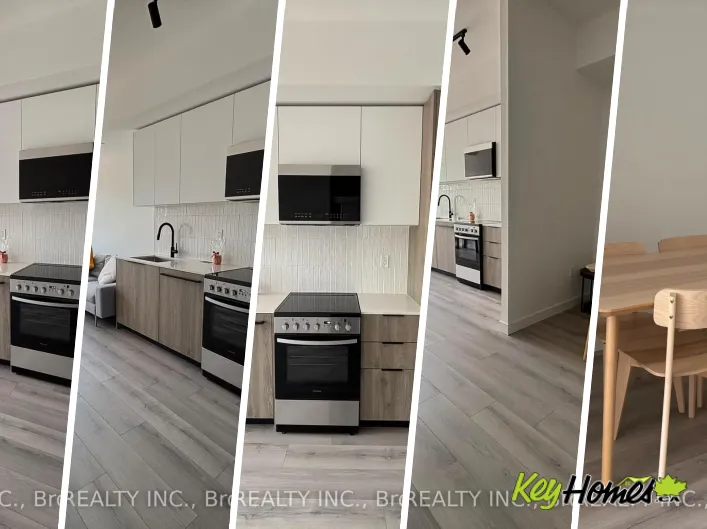
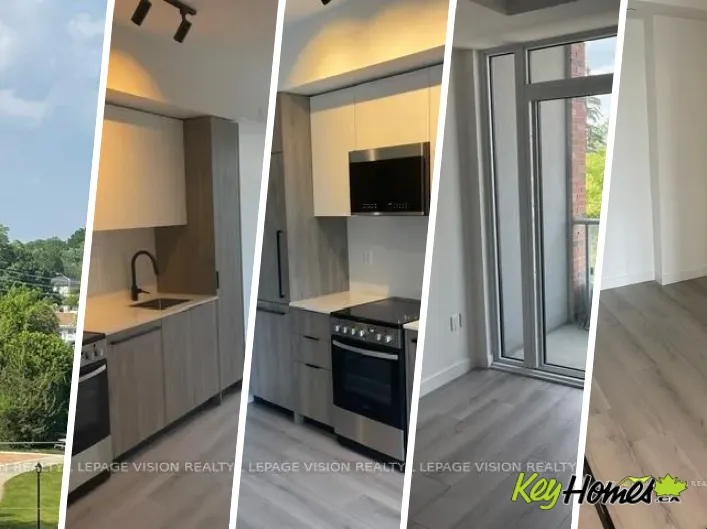
Transit access is a meaningful value driver: Rouge Hill GO Station offers Lakeshore East service to Union Station, while Kingston Road and the 401 provide east–west mobility. If you're comparing suites citywide, you'll see trade-offs in size and price. For example, browsing a $1,500 one-bedroom apartment in Toronto or a $900 one-bedroom option in Toronto elsewhere helps set realistic expectations for Centennial's value proposition. Resources like KeyHomes.ca are useful for comparing layouts and fees across neighbourhoods without relying on marketing brochures alone.
What to Know Before Buying an apartment centennial toronto
Zoning and planning: Centennial's main corridors (Kingston Road, Lawrence Avenue East) are shaped by Toronto's Zoning By-law 569-2013 and the Official Plan's “Avenues” policy encouraging mid-rise along transit streets. Redevelopment of older rental stock is tempered by the City's Rental Housing Demolition and Conversion controls (Municipal Code Chapter 667), which require rental replacement in many cases—good for tenant stability, but it can slow land assemblies and speculative timelines. For investors, that means less immediate teardown risk around stable rental buildings and a more predictable streetscape in the near term.
Inclusionary zoning: Toronto's inclusionary zoning currently applies to specific Protected Major Transit Station Areas (PMTSAs), mostly near rapid transit. Many Scarborough pockets, including much of Centennial, are outside these zones today, but boundaries evolve—verify at the property level with the City or a planning consultant.
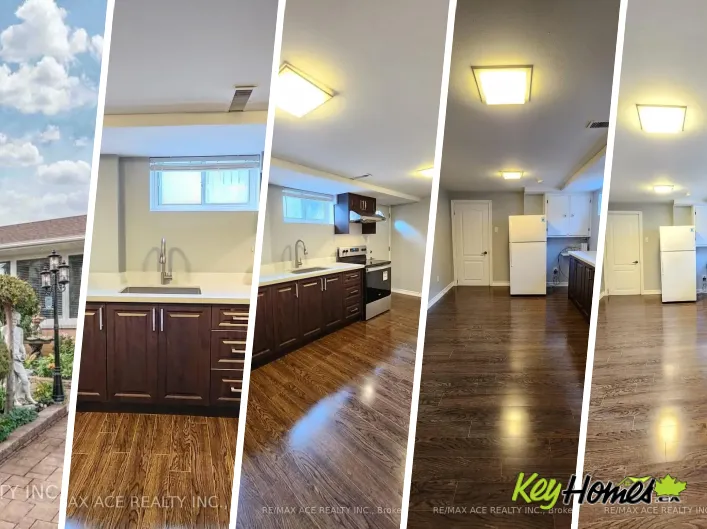
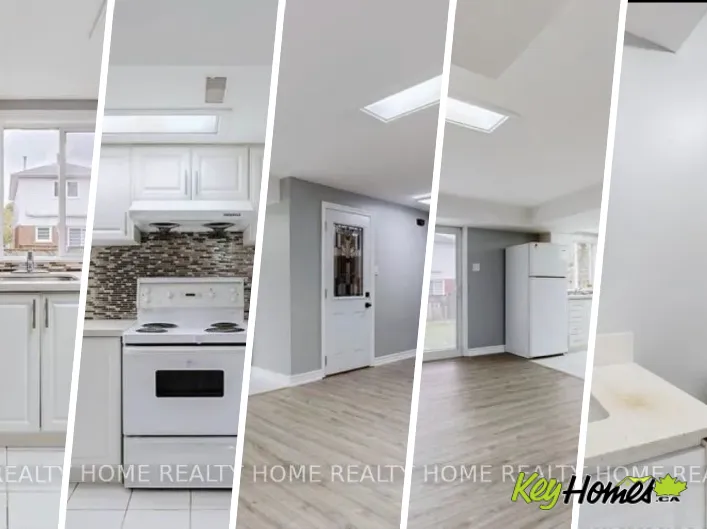
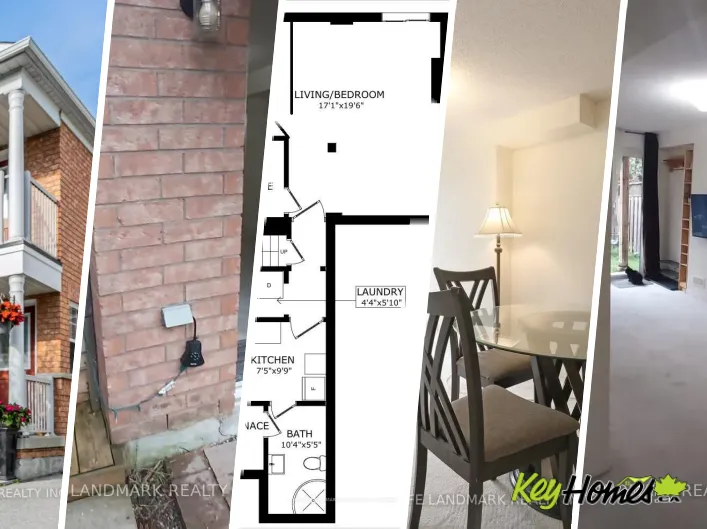
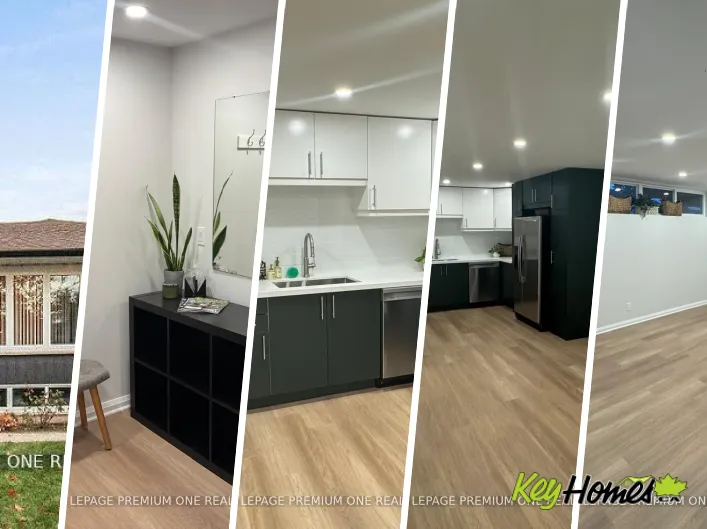
Secondary suites and intensification: Basement apartments require proper building permits, fire separations, and egress. If you're eyeing a house-plus-suite strategy as part of a portfolio near Centennial, review compliance carefully because illegal suites undermine financing and insurance. To understand market benchmarks, compare a 3-bedroom basement apartment in Toronto and a basement apartment in central Toronto—note how location, ceiling height, and separate entrances affect rents.
Building Types and What to Look For
You'll see a mix of 1980s–1990s condos, co-ops, and rental apartment buildings, alongside newer mid-rises on arterial roads. Larger floorplans are common in older stock; maintenance fees vary widely depending on utilities, amenities, and reserve fund health.
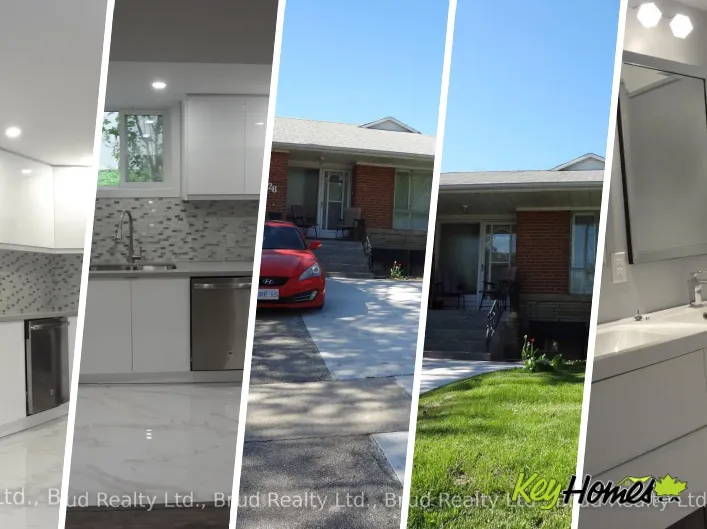
When you peruse mapledale condominum complex photos online (often referencing the Mapledale tower near Ellesmere), assess room sizes, natural light, balcony condition, and whether fees include heat, hydro, or cable. Photos can flatter; a status certificate, reserve fund study, and engineering reports tell the real story about upcoming capital projects.
“Centenary apartments” and Hospital-Proximate Rentals
Properties marketed as centenary apartments generally refer to rentals close to the Centenary hospital campus. These are attractive to healthcare workers seeking minimal commute time. From a landlord perspective, older purpose-built rentals first occupied before November 15, 2018 fall under Ontario's rent control—useful for tenant retention but it caps annual increases to the provincial guideline (subject to above-guideline increase processes for major capital work). Newer buildings first occupied on or after that date are typically exempt from the guideline; confirm a unit's in-service date before projecting cash flow.
Resale Potential and Investor Math
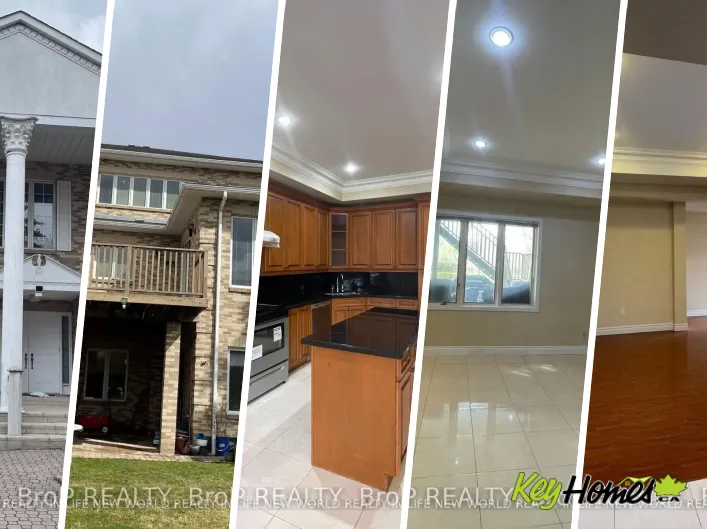
End-user appeal: Centennial's draw includes quieter streets, parks, and family-sized condos at prices below downtown equivalents. Waterfront trails, Rouge National Urban Park, and nearby schools support steady end-user interest. For a sense of how larger units perform, compare a 3-bedroom apartment with utilities included in Toronto to options in midtown like an Empress Walk apartment in Toronto; maintenance structure and transit proximity will show in the pricing.
Investor lens: Cap rates in this submarket often hinge on fees and in-suite upgrades. Buildings with higher inclusive fees can fetch strong rents from budget-conscious tenants but watch net operating income after maintenance. For rent comps across corridors, review an apartment on Lawrence Avenue in Toronto or an apartment near Scarlett Road in Toronto to understand how neighbourhood attributes translate into rent per square foot.
Status certificate and reserve fund: Older condos may face elevator modernization, cladding, garage membrane, or boiler replacements. Stress-test your numbers for a potential special assessment. Lenders and prudent buyers will expect a clean status certificate and adequate reserve contributions per the latest study.
Examples and Scenarios
First-time buyer: A one-bedroom buyer under $600,000 compares a Centennial condo against central options like a 555 Sherbourne apartment in Toronto. While commute times differ, Centennial may offer better square footage and parking. Watch for all-inclusive fees that simplify budgeting but can inflate monthly costs.
Investor targeting families: A 3-bed unit with inclusive utilities can lower tenant turnover. Benchmark with a 2-bedroom apartment with ensuite laundry in Toronto to gauge the rent premium for in-suite laundry and additional baths. Consider the local draw of UTSC and the hospital, and whether your building's rules allow room rentals to students; many condos prohibit this, and enforcement is increasing.
Suite-legalization strategy: If part of your plan includes a secondary suite elsewhere in the city to balance cash flow, compare rents for a 3-bedroom basement unit. Before purchasing, confirm fire-code compliance, building permits, and parking requirements. Illegal suites can derail financing and insurance claims.
Short-Term Rentals and By-law Compliance
Toronto's short-term rental framework requires registration with the City and limits entire-home rentals to your principal residence, with caps on the number of nights per year. Many condos in and around Centennial either restrict or ban STRs via their declarations. Always review the condo's rules, the City's registration system, and insurance implications before underwriting STR income. Even for longer tenancies, landlords must comply with the Residential Tenancies Act; review rent control applicability before assuming post-renovation rent increases.
Seasonal Market Trends and Timing
Toronto's apartment market is seasonally active in spring and fall. In Centennial, an additional demand bump aligns with UTSC's academic calendar and healthcare hiring cycles. Summer can be listing-light, and winter may offer negotiability—though severe weather can compress showing activity. If you're planning to buy ahead of a school start date, align closing timelines with occupancy needs and permit windows for any renos.
Regional Considerations for Cottage Seekers Pairing a City Pied-à-Terre
Some buyers consider a small Centennial condo plus an Ontario cottage. Financing two properties often means higher down payments on the second home and stricter debt-service ratios. Toronto purchases carry both provincial and municipal land transfer taxes—budget for both. If you're a non-resident of Canada, Ontario's Non‑Resident Speculation Tax has been province‑wide at 25% in recent years; policies evolve, so verify current rules with your lawyer or lender.
For the cottage, factor septic and well systems (inspection, water potability, and winterization), seasonal road access, and insurance limits on short-term rentals. A steady in-city rental—say, a well-priced east-end one-bedroom—can help balance cottage carrying costs; compare options like a $1,500 one-bedroom or centrally located studios near corridors such as Sherbourne to calibrate cash flow assumptions.
Practical Search Tips and Due Diligence
Use objective data to compare Centennial against other nodes. KeyHomes.ca is a reliable place to scan real-time listing data and neighbourhood trends and to connect with licensed professionals who understand building histories, reserve funds, and local bylaws.
- Status certificate review: Have a lawyer examine the budget, reserve fund study, and any legal actions. Do not waive this lightly.
- Utilities and fees: Clarify what's included; all-inclusive fees can mask inefficiencies. Contrast “utilities included” units with metered ones to forecast true carrying costs.
- Transit and commute: Proximity to Rouge Hill GO and Kingston Road bus routes supports resale and rentability. Test your actual commute at peak hours.
- Tenant profile: Hospital and campus demand can provide stable tenancy. Check building rules regarding rooming arrangements and student rentals.
- Building age and envelope: Older concrete towers can be quiet and spacious but may require elevator or facade work. Bake contingencies into your pro forma.
- Insurance and compliance: Confirm smoke/CO detectors, balcony safety, and any pending capital projects affecting liability and premiums.
Comparables Across the City to Frame Value
To round out your assessment, look at a mix of corridors and building ages. A Lawrence Avenue apartment will differ from a North York hub like Empress Walk, and both contrast with west-end options such as an apartment near Scarlett Road. Family-sized demand can be gauged through listings like a 3-bedroom with utilities included, while entry points appear in pages featuring a $900 one-bedroom (rare, but useful for historical context) or a 2-bedroom with ensuite laundry that commands a premium. Sites like 555 Sherbourne area listings can further clarify how central premiums compare to Centennial's value-for-space dynamic.