













































East Vancouver real estate: neighbourhoods, zoning and buyer due diligence
In east Vancouver, two homes at the same price can offer very different trade-offs: a shorter SkyTrain commute, more outdoor space, or an older building with substantial repairs ahead. Buyers and investors should compare individual blocks and buildings, not just neighbourhood averages. Seasonal-use buyers also need to distinguish between owning a part-time city home and being allowed to rent it out when they are away.
Matching listings: 96
Neighbourhoods, daily travel and lifestyle
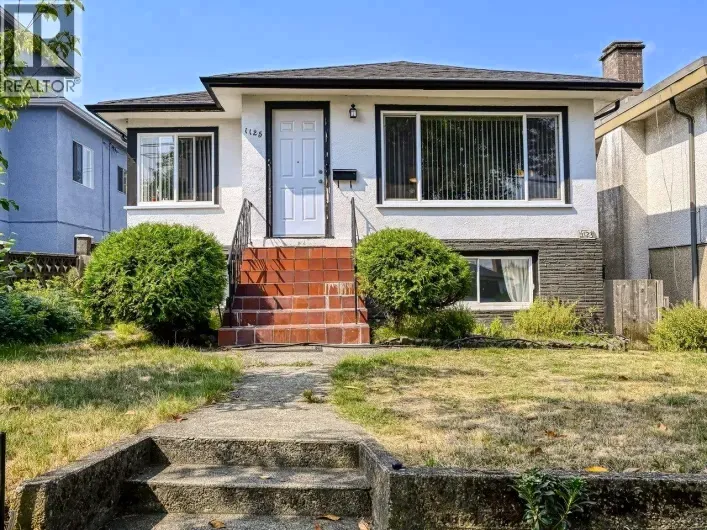
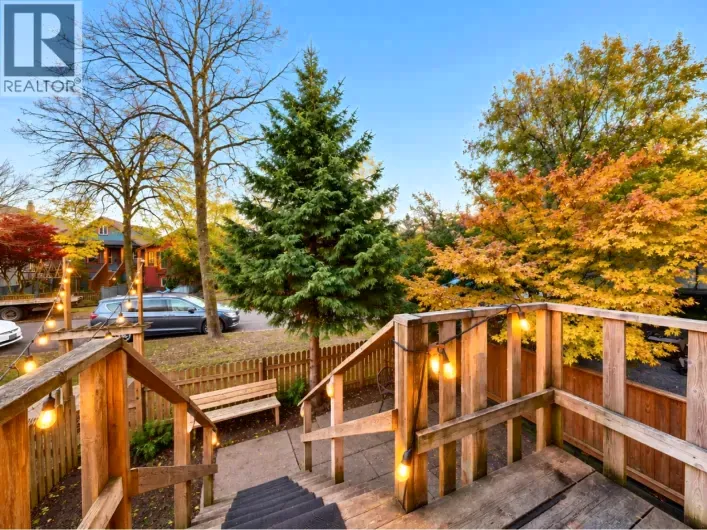
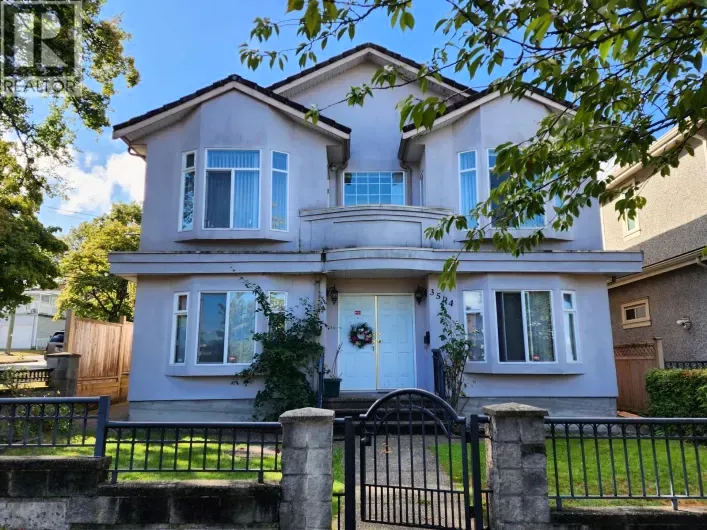
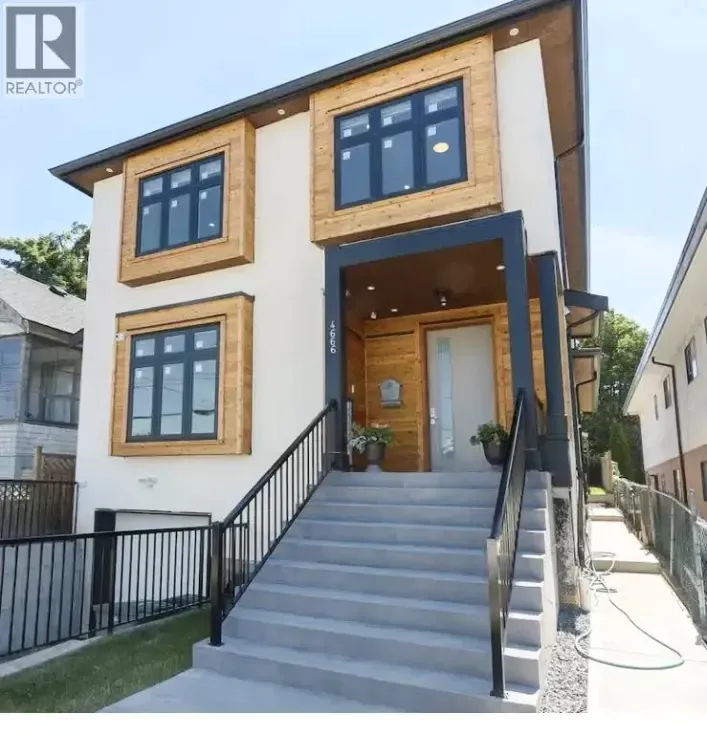
Grandview-Woodland offers access to Commercial Drive’s shops and restaurants, while Hastings-Sunrise combines established residential streets with access to Hastings Park and the waterfront. Renfrew-Collingwood can suit buyers who rely on SkyTrain, but walking routes and exposure to arterial traffic vary. A Rupert Street property example is a useful starting point for evaluating what a street-level location means: visit during the evening commute and walk to the station, grocery store or school you would actually use.
If you are checking the distance from 717 E 61st Ave, Vancouver, BC, to Langara College, map the trip to the campus entrance you expect to use. Walking, cycling, driving and transit distances or travel times can differ, and a straight-line measurement tells you little about crossings or transfers. If you are also considering an address such as 128 E Broadway, test that trip separately rather than assuming both locations offer a similar commute. Verify current school catchments directly with the Vancouver School Board if enrolment is part of the purchase decision.
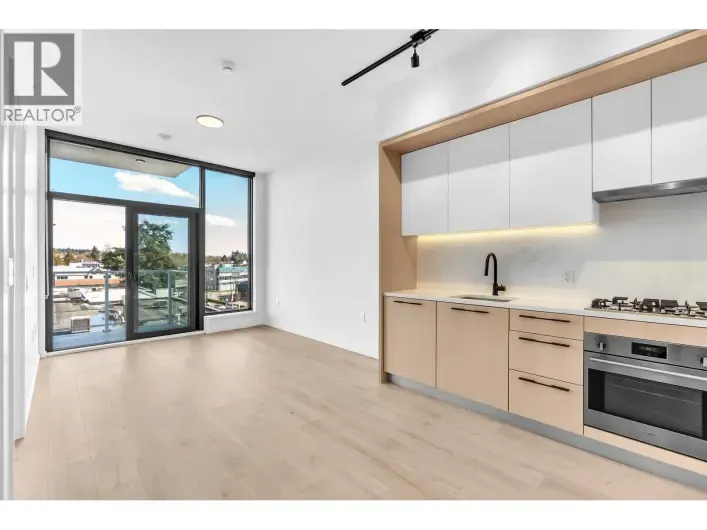
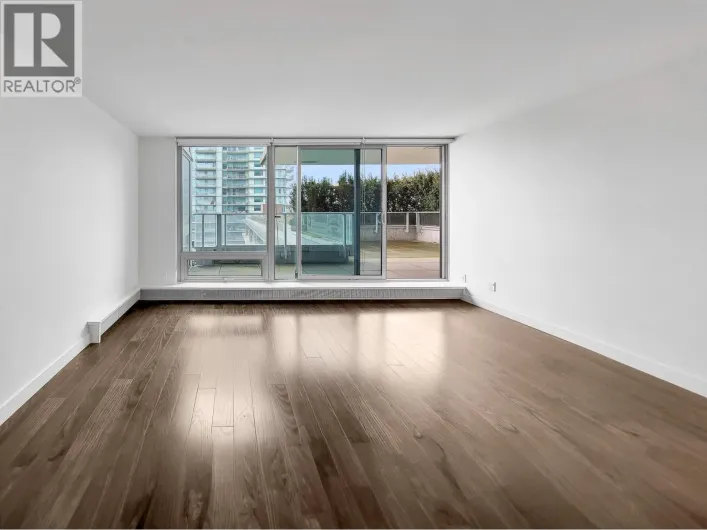
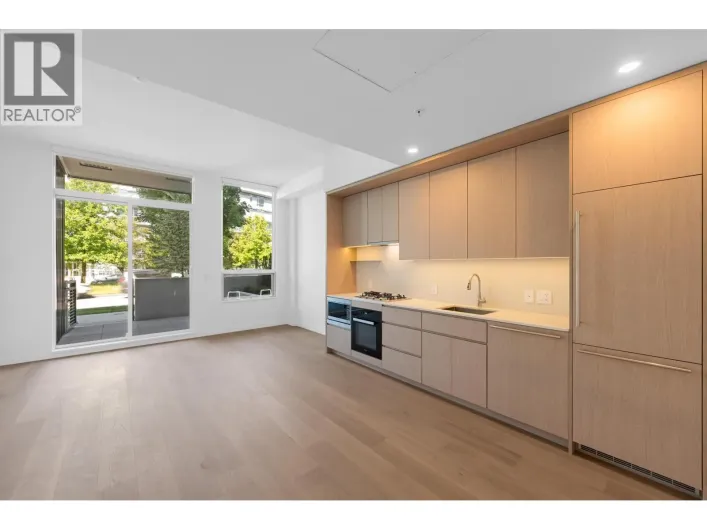
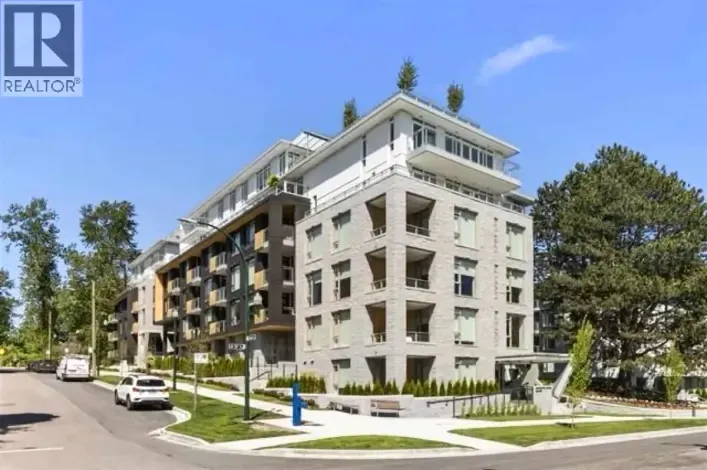
KeyHomes.ca is a useful resource for exploring listings, researching market information and connecting with licensed real estate professionals. For a lifestyle comparison, a Vancouver condo with a large patio raises questions about privacy, sun exposure and maintenance responsibility, while an English Bay penthouse example illustrates a different waterfront lifestyle. Neither is a direct pricing comparable for an East Vancouver property without evidence from recent sales.
Zoning, permits and redevelopment potential
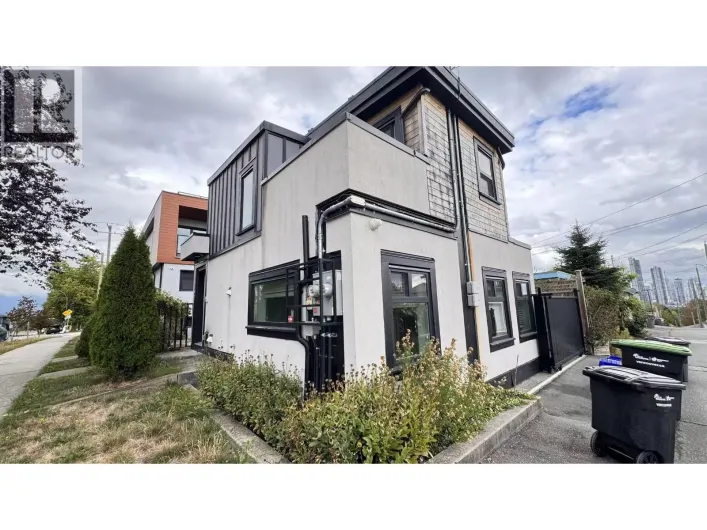
Vancouver has expanded housing options in many low-density areas, including multiplex opportunities on qualifying lots. That does not mean every parcel can support the same number of homes or floor area. Check the City of Vancouver’s zoning map, applicable district schedule and permit records, as well as the land title for easements or covenants. Lot dimensions, tree protection, servicing and character or heritage rules can materially affect what is feasible. Confirm any proposed development with the City before assigning value to it.
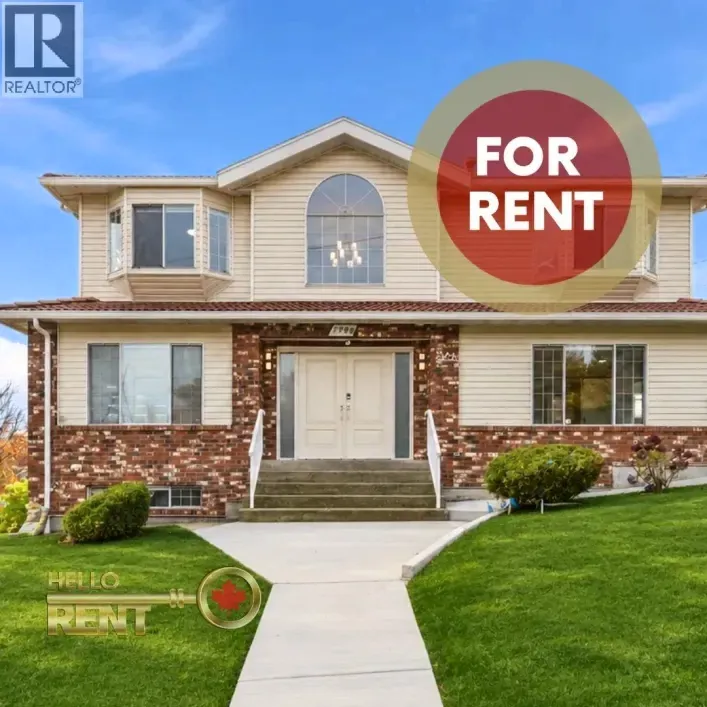
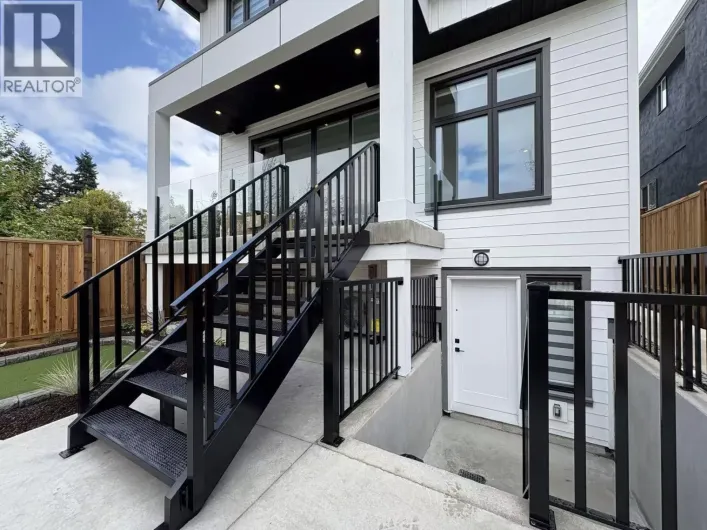
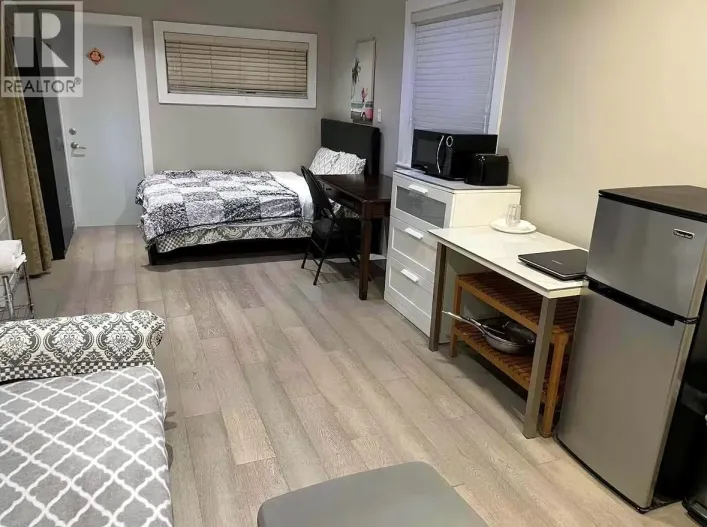
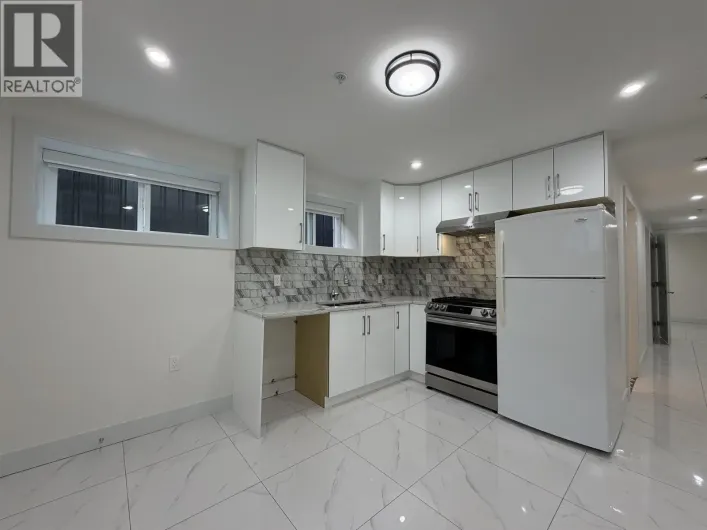
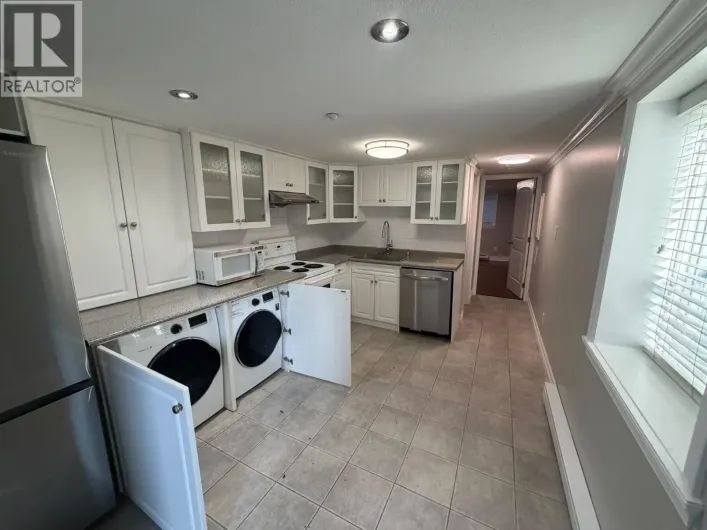
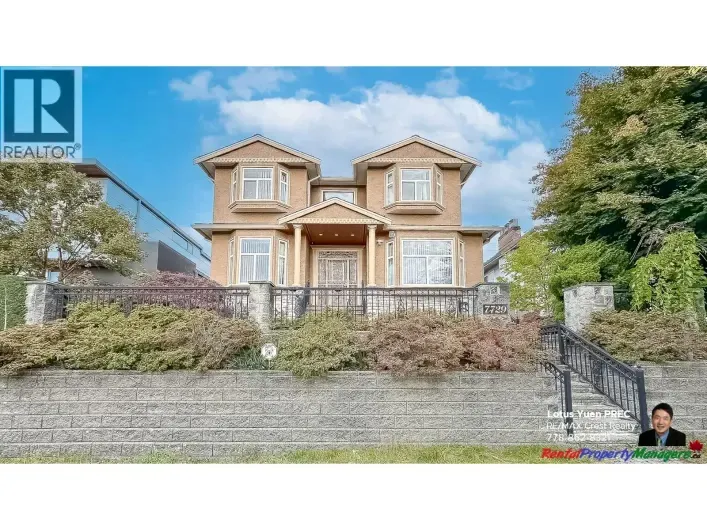
A Vancouver Craftsman-style house may appeal to buyers who value original features, but architectural style alone does not establish legal heritage status or dictate what alterations are permitted. Likewise, an advertised basement suite is not proof of approval. Verify permitted use before relying on rental income to qualify for financing. Ask your lender how it treats suite income and budget for vacancy, repairs and any work needed to bring the space into compliance.
Resale potential and strata costs
Resale usually depends on features the next buyer can readily assess: a practical layout, natural light, manageable noise, convenient transport and a building with a credible maintenance plan. Compare recent sold properties of the same tenure and type, paying attention to floor level, parking, outdoor space and condition. A Broughton Street property example may help clarify what you value in another Vancouver neighbourhood, but it should not set your offer price in East Vancouver.
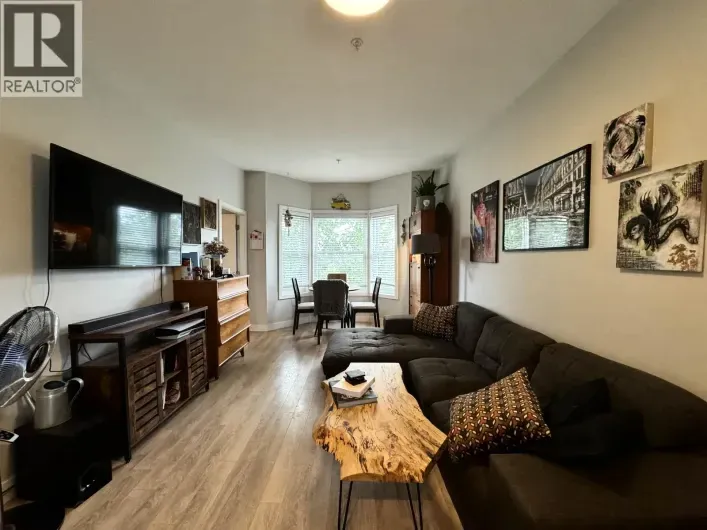
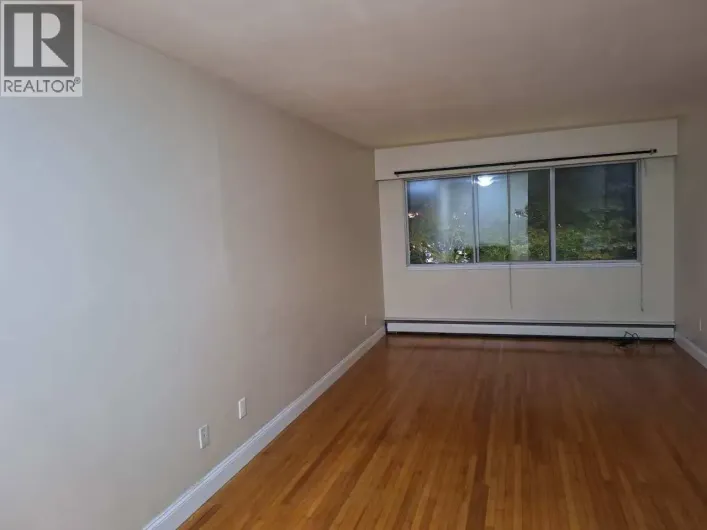
When evaluating an older Vancouver apartment, confirm the tenure before assuming it can be financed like a conventional freehold strata. For a strata purchase, review the Form B information certificate, bylaws, meeting minutes, depreciation report and insurance documents. Look for recurring water issues, upcoming roof or plumbing work, insurance deductibles and how planned projects will be funded. A lower asking price can be offset by a special levy or several years of rising fees.
Seasonal market patterns and offer timing
Spring often brings more listings and more competition, while late summer and the winter holidays can bring fewer new listings and fewer active buyers. These are tendencies, not rules. Interest rates, available inventory and property type can outweigh the calendar. If you are deciding whether to wait, compare recent sales, days on market and price reductions in your specific segment. A Riverside East Windsor property example is useful for a relocation comparison, but Ontario market timing is not a reliable guide to a Vancouver offer.
Rental rules, vacancy taxes and seasonal ownership
Vancouver generally restricts short-term rentals to a host’s principal residence and requires a municipal business licence. Provincial registration requirements and strata bylaws can also apply. A unit does not become eligible merely because a listing calls it an investment property. For a long-term rental, review B.C. tenancy rules on rent increases, notices and ending a tenancy. Investors comparing a Saskatoon East Side property should rebuild their cash-flow assumptions for B.C. rather than carrying over Saskatchewan’s rules.
Part-time owners should check the City’s Empty Homes Tax and B.C.’s Speculation and Vacancy Tax separately. They have different rules, exemptions and declaration processes; qualifying under one does not automatically settle the other. Budget for B.C. property transfer tax where applicable, legal fees, insurance and any lender requirements. If your search also includes a property in Charlottetown’s East Royalty area, check Prince Edward Island’s ownership rules separately, particularly if you are a non-resident of that province.
Most East Vancouver homes use municipal water and sewer, so cottage-style due diligence is more relevant when your search extends outside the city. For a rural comparison such as an East Garafraxa property, verify services rather than assuming a private well or septic system. Where present, obtain water quality and yield tests and a septic inspection. Check year-round road access, winter maintenance obligations and whether the lender and insurer will accept seasonal occupancy before waiving conditions.