

































Home Prices in North Vancouver
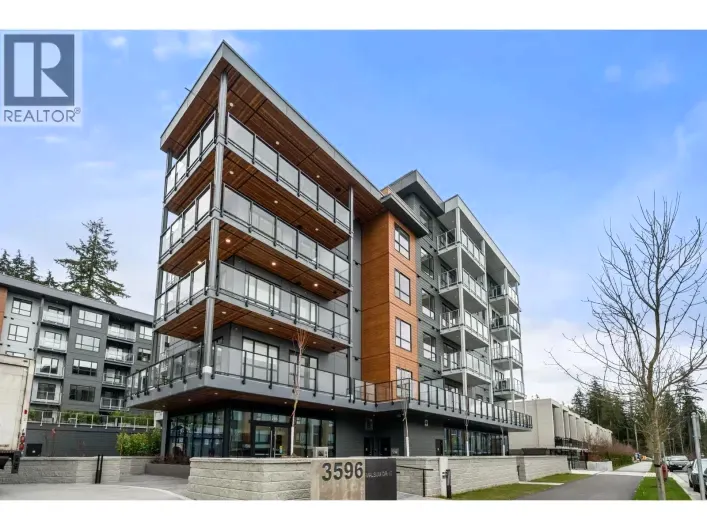
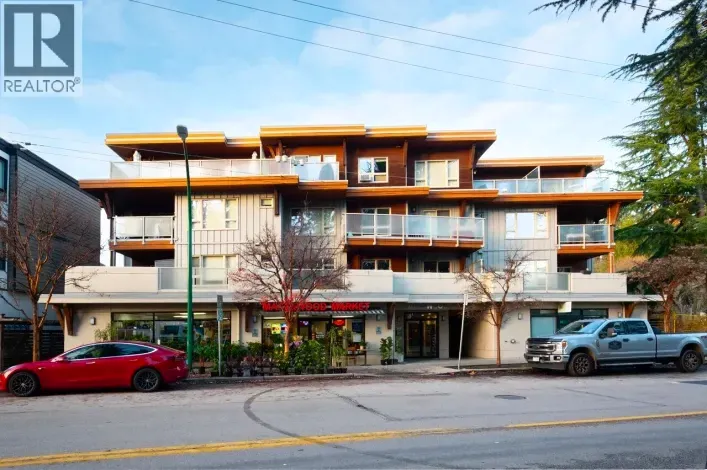
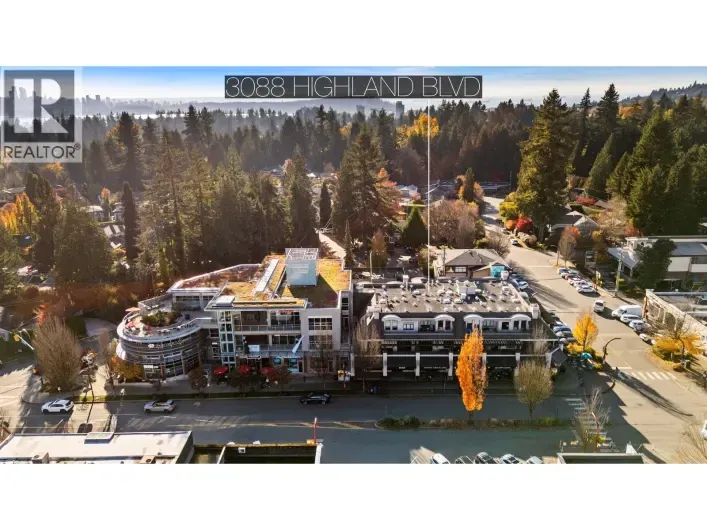
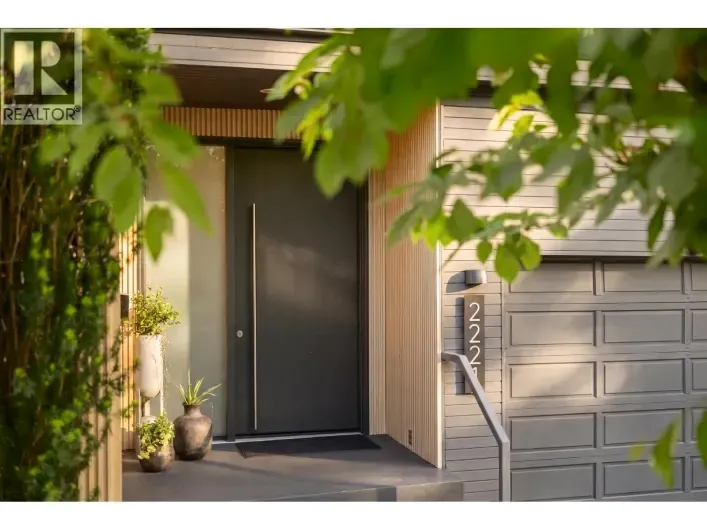
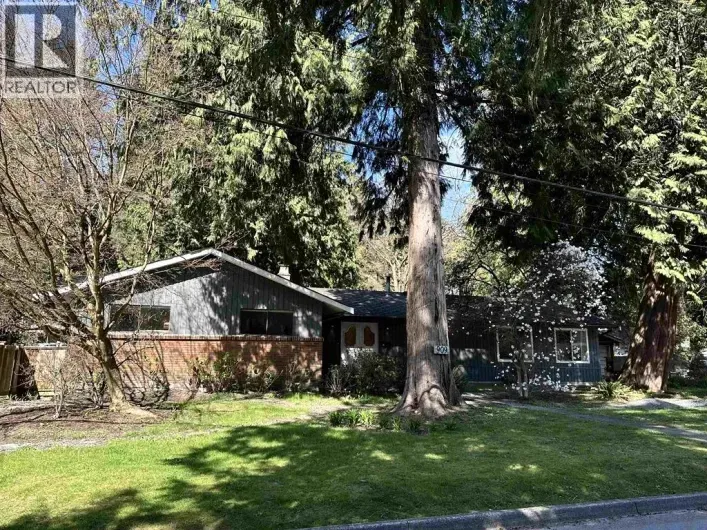
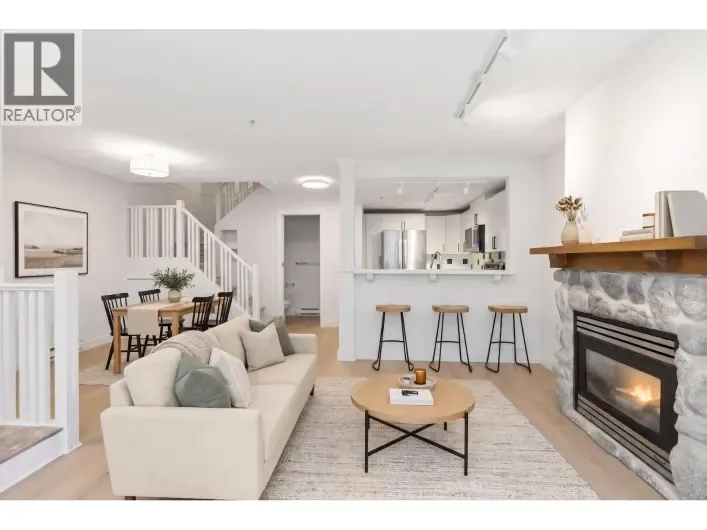
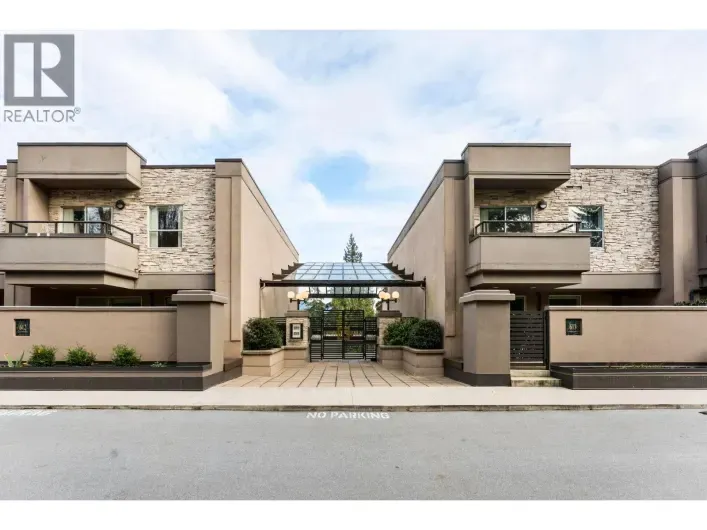
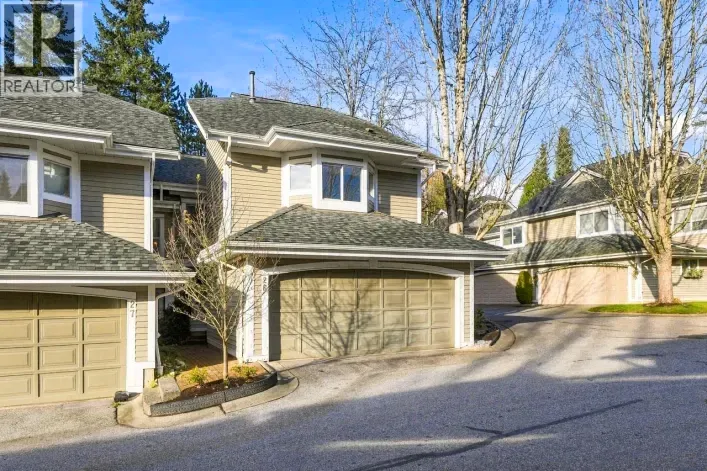
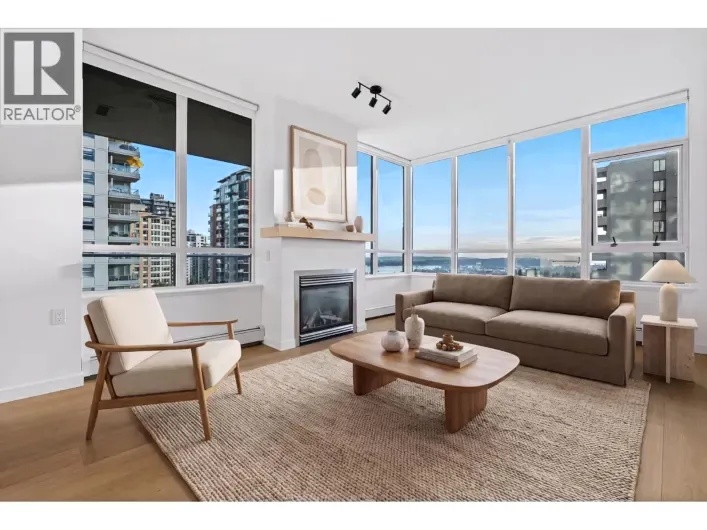
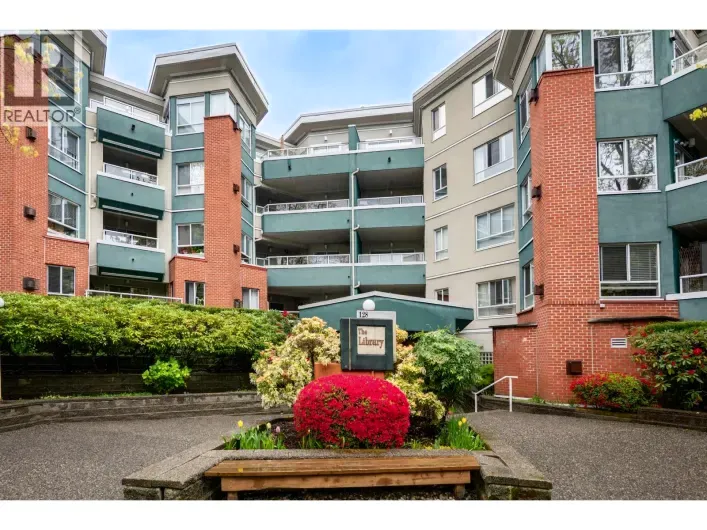
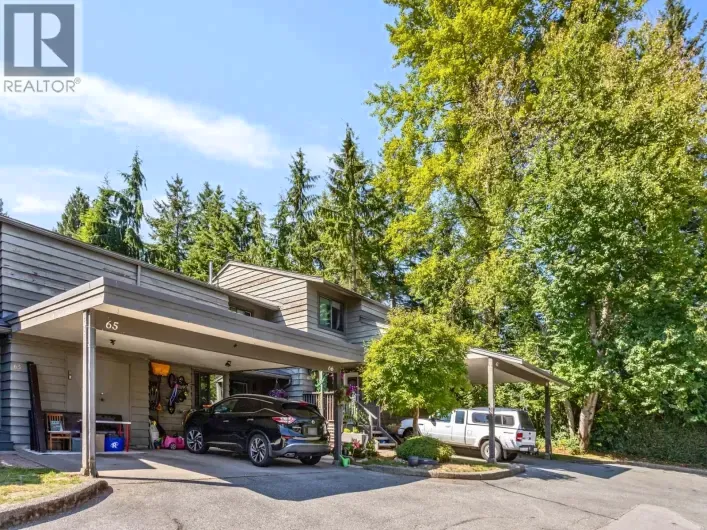
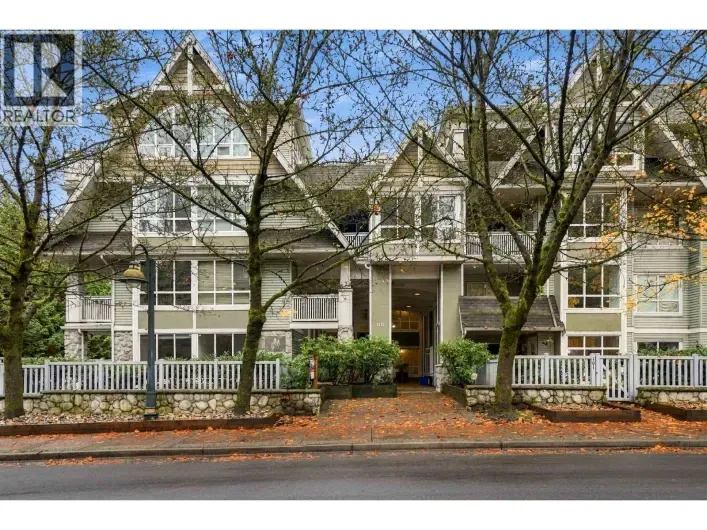
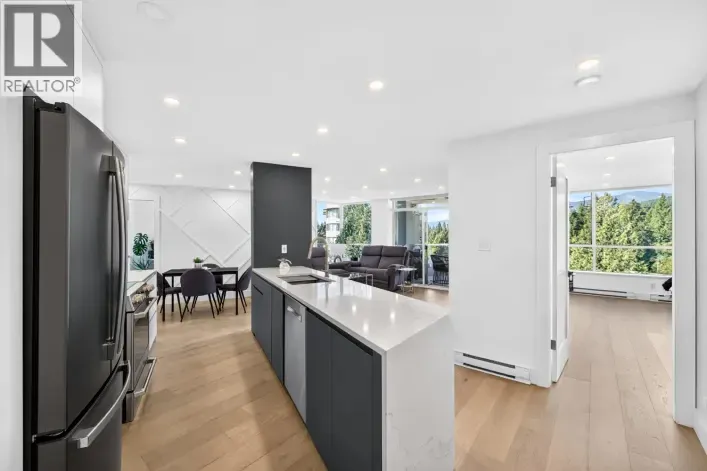
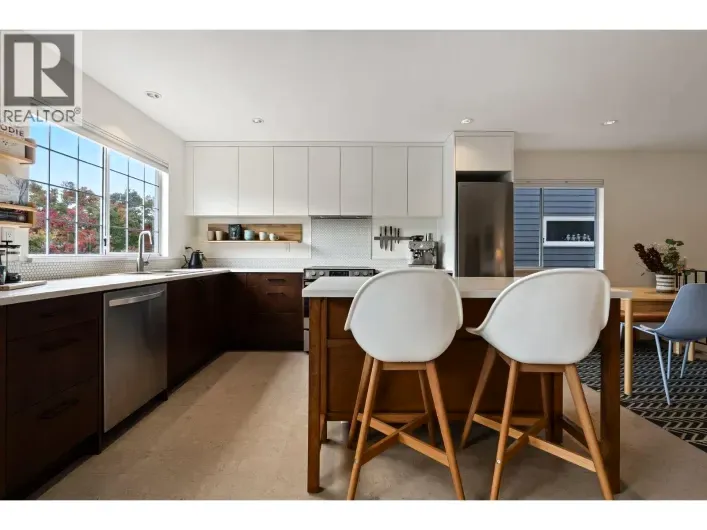
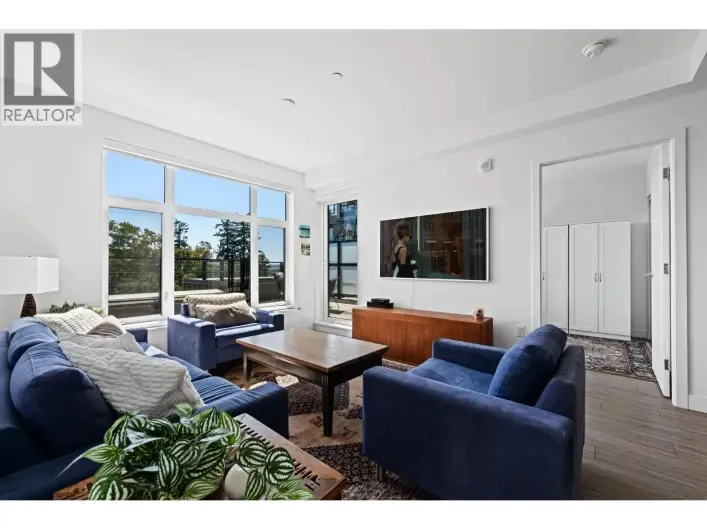
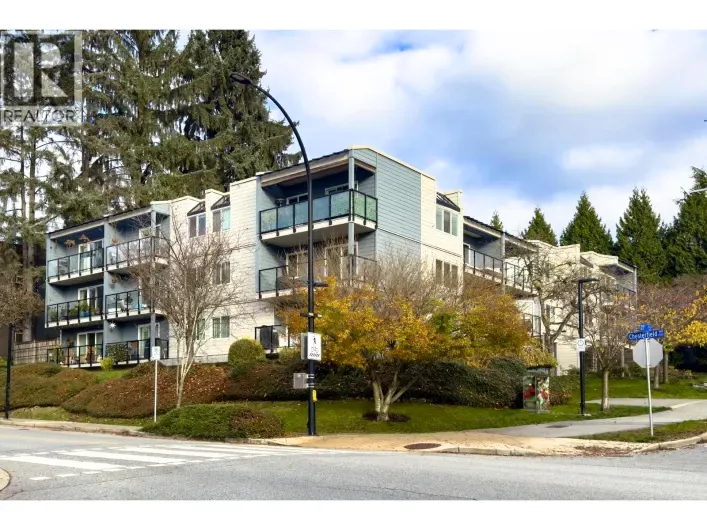
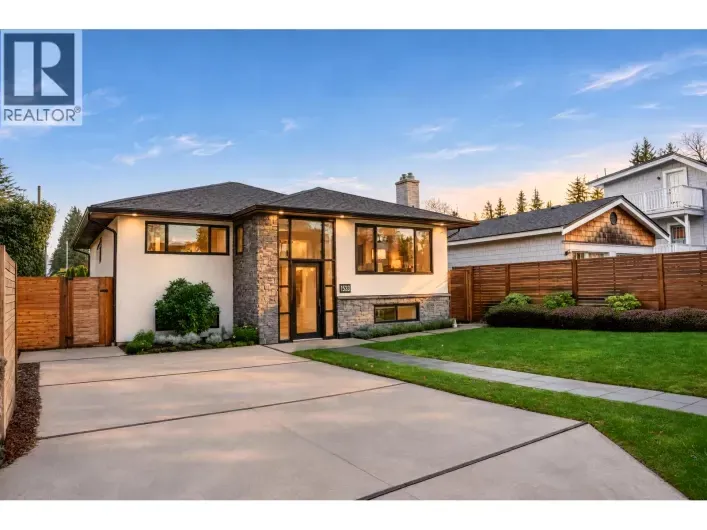
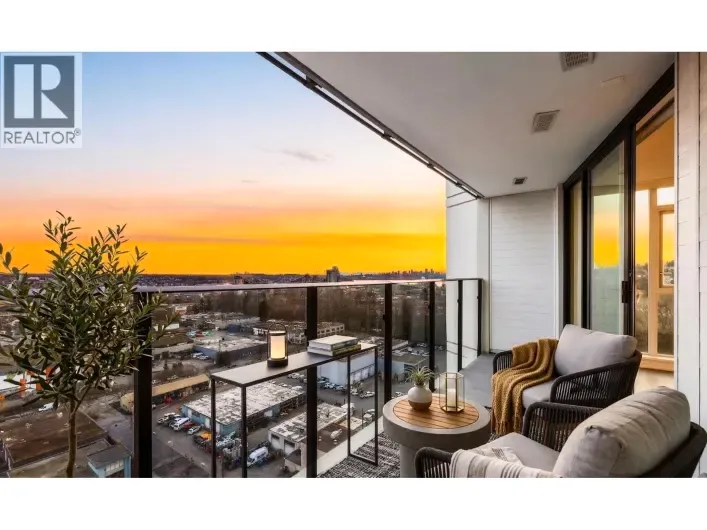
North Vancouver real estate includes waterfront condos, townhomes near shops and transit, and detached homes on quieter residential streets. Home prices reflect the type and condition of a property as well as how its location fits your daily routine. A condo near the SeaBus may suit buyers who commute downtown, while a detached home near the foothills may offer more outdoor space and easier trail access. Comparing homes with similar layouts, conditions, and locations gives buyers and sellers a clearer sense of value than comparing asking prices across the city and district.
Matching listings: 957
Average asking price by property type
- Houses
- 303 listings
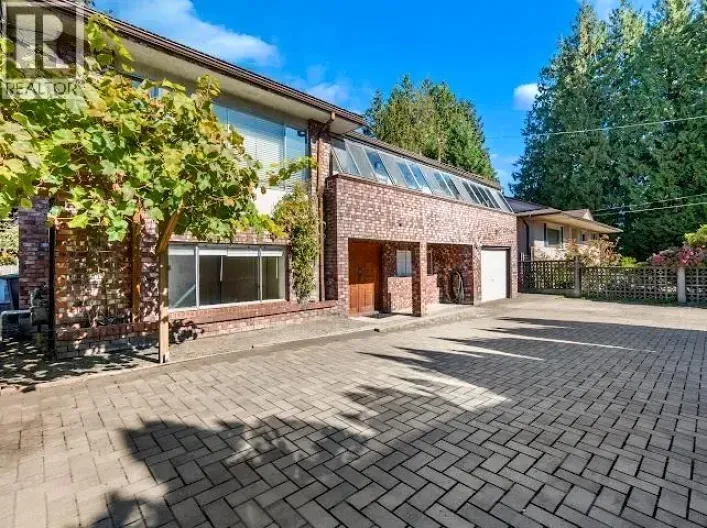
- $2,398,710
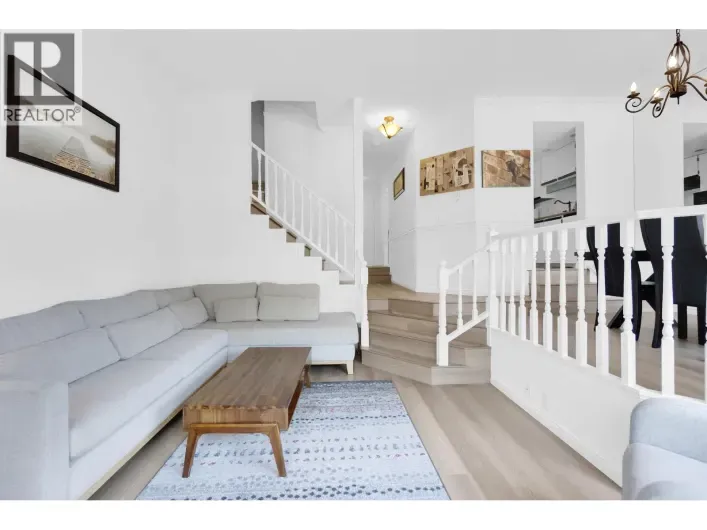
- Townhomes
- 116 listings
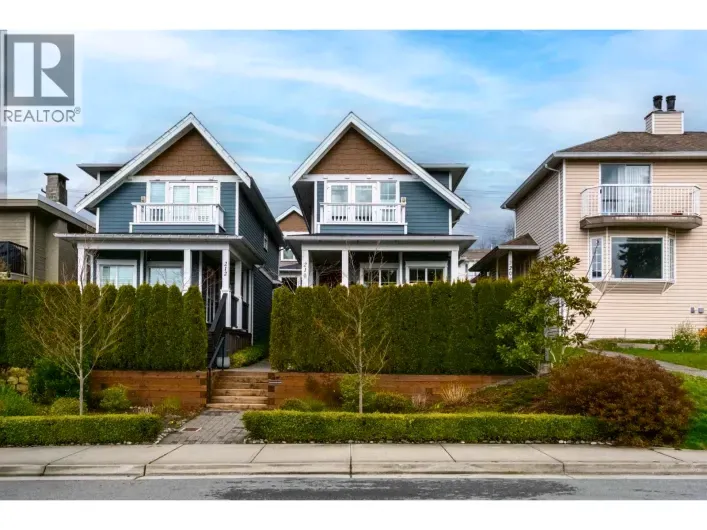
- $1,332,928
- Apartments
- 403 listings
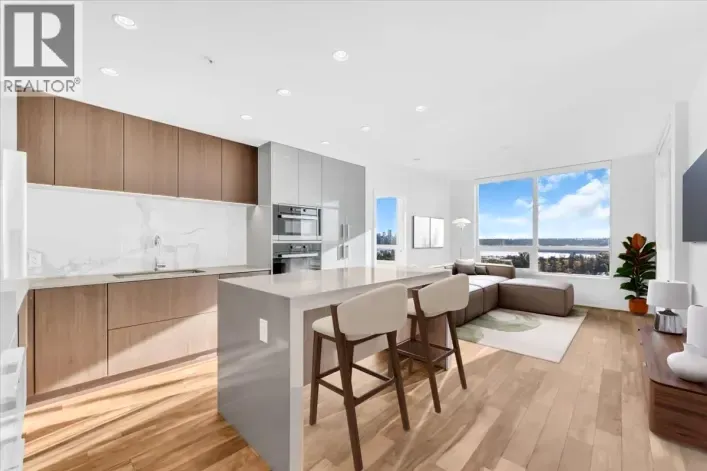
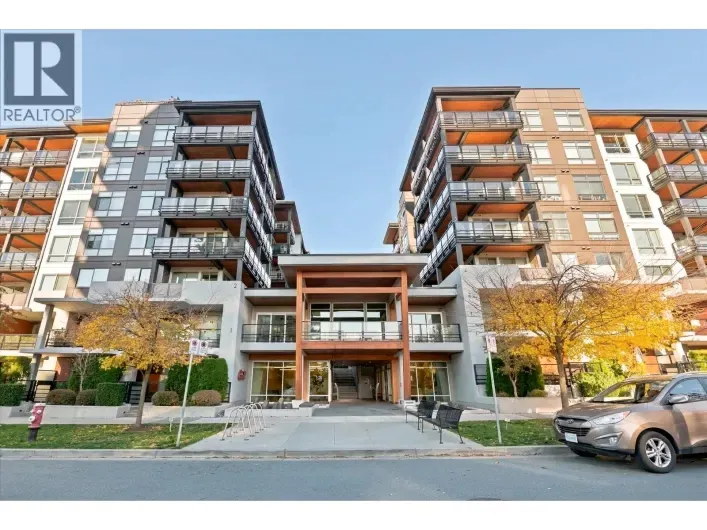
- $832,893
To gauge competition in the North Vancouver real estate market, compare new listings with recent sales and note which property types are available and how long comparable homes take to sell. An asking price is a starting point, not a record of what a buyer paid. Recent sales of similar homes in the same neighbourhood can provide a useful benchmark, while price changes and relistings add context. A home that takes longer to sell may be priced above comparable options, though its condition, layout, and listing timing can also play a role.
Explore North Vancouver MLS® Listings by Home Type
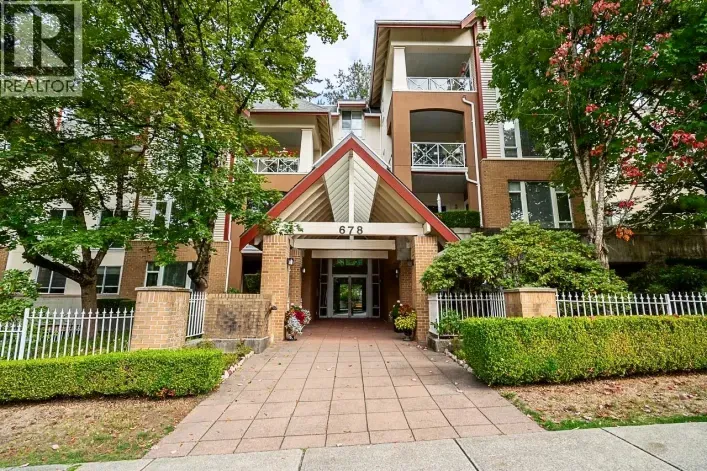
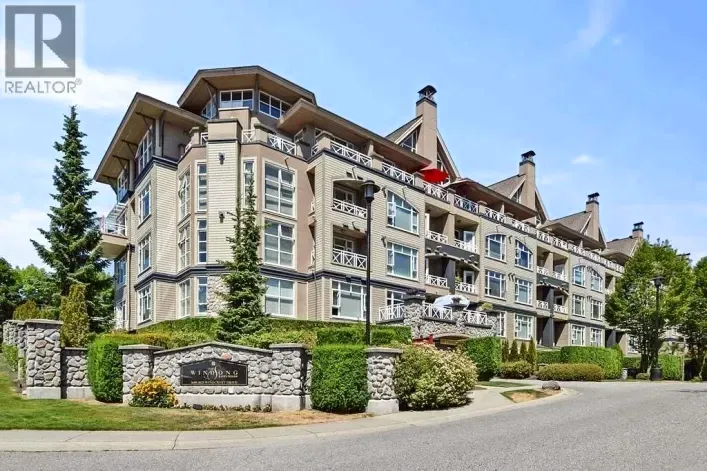
North Vancouver real estate listings are easier to compare when you narrow your search by property type and neighbourhood. A condo in Lower Lonsdale may put groceries, restaurants, and the waterfront within walking distance, while a townhome in Lynn Valley may suit buyers who want a separate entrance and room for outdoor gear. Detached homes can offer more flexibility for gardening, storage, or renovations, depending on the lot and local rules. For strata properties, compare monthly fees, parking arrangements, and who handles exterior maintenance.
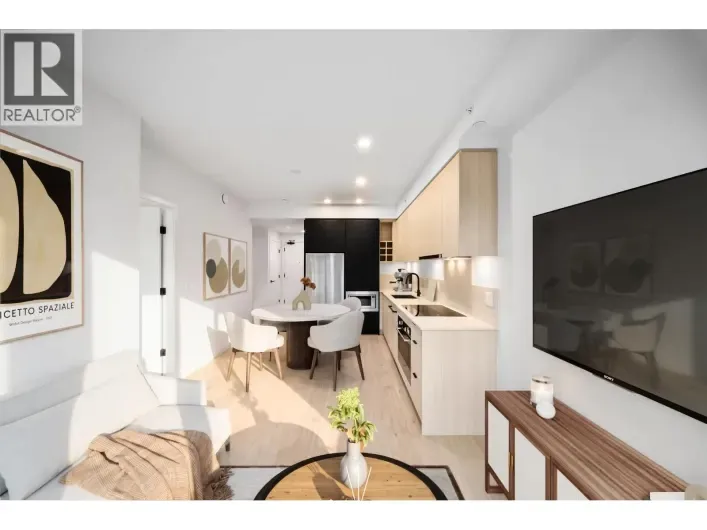
When browsing North Vancouver homes for sale, use filters for price, bedrooms, bathrooms, lot size, parking, and outdoor space to narrow the search to properties that meet your everyday needs. Photos can show finishes and natural light, while floor plans help you judge whether furniture will fit, bedrooms offer enough privacy, and storage is easy to reach. Compare shortlisted homes with recent sales and new listings nearby to see which features might justify a higher asking price and where you could compromise.
Neighbourhoods & amenities
North Vancouver neighbourhoods range from walkable shopping districts to established residential streets and hillside communities near parks and trails. When comparing homes, look at the route to schools, recreation centres, bus stops, or the waterfront, not just the distance on a map. A steep walk to transit, a busy road near a school, or limited street parking can make an address feel less convenient. Views and nearby green space may make a home more appealing, but weigh those benefits against traffic noise, shade, and the upkeep of a sloped lot.
North Vancouver City Guide
North Vancouver sits between Burrard Inlet and the mountains of British Columbia's North Shore, with a walkable waterfront, residential streets that climb away from the shore, and forest trails close to developed areas. If you're exploring North Vancouver homes for sale, check whether each address is in the City of North Vancouver or the adjoining District of North Vancouver when comparing neighbourhoods, commutes, and local services.
History & Background
The North Shore is on the traditional territories of the Squamish and Tsleil-Waututh Nations, whose connections to the inlet, rivers, and mountains continue today. The waterfront later became a centre for settler industry and transportation. Logging and milling drew workers to the area, ferries carried passengers across the inlet, and shipyards established a lasting marine industry. In Lower Lonsdale, the former shipyard lands now host public gathering spaces and businesses, with industrial structures still visible along the waterfront.
The City and District developed as separate municipalities but share a connected street network and a North Shore identity. The City includes the compact Lonsdale corridor and much of the urban waterfront, while the District covers a larger area with residential communities, river valleys, and mountain slopes. Across the inlet, other communities in the region include Burnaby. To see how North Vancouver itself grew, follow Lonsdale Avenue uphill from the ferry landing to the shops and civic services of Central Lonsdale.
Economy & Employment
Marine trades, shipbuilding and repair, and port-related logistics remain important sources of employment along the inlet. Health care is another major sector, with Lions Gate Hospital and nearby clinics supporting clinical, administrative, and technical jobs. Away from the industrial waterfront, employers include schools, municipal services, construction firms, and professional offices. Restaurants, shops, and recreation businesses serve residents year-round and see additional demand from visitors during busy seasons.
Living in North Vancouver doesn't necessarily mean working on the North Shore. The SeaBus makes downtown Vancouver a practical commute if both terminals are easy to reach, while jobs elsewhere in the region may require a bus transfer or bridge crossing. Conversely, a waterfront industrial site may be easier to reach by car or a direct bus than by ferry, depending on the worksite and shift. When comparing homes, check the route to your workplace rather than relying on which side of the inlet it's on.
Neighbourhoods & Lifestyle
Lower Lonsdale has an urban feel, with apartments and condos near the SeaBus, the public market at Lonsdale Quay, and the waterfront plazas at The Shipyards. Central Lonsdale also offers apartment living near groceries, clinics, and other everyday services, though the walk back from the waterfront is uphill. Farther up the slope, Upper Lonsdale has more detached homes and quieter residential streets. If you're comparing North Vancouver condos for sale, walk the route to shops or transit to see how the grade feels.
In the District, Lynn Valley has a village centre near forest trails, while Deep Cove is known for its sheltered waterfront and paddling. Edgemont Village has a compact shopping area surrounded largely by residential streets, and the Marine Drive corridor offers apartments, shops, and bus connections. The links for North Meadows and North Blackburn are not standard North Vancouver neighbourhood references. For local housing comparisons, use established neighbourhood names such as Lynn Valley and Edgemont Village.
Outdoor recreation ranges from a flat waterfront walk to outings in Lynn Canyon or along the lower Seymour River. Libraries, community centres, and playing fields serve residential areas, while markets and events draw people to the waterfront. Housing options range from older rental apartments and newer condos to townhomes and detached houses. If you plan to buy a house in North Vancouver, weigh easy trail access against the places you visit most often, such as shops, schools, and frequent bus routes.
Getting Around
The SeaBus connects Lonsdale Quay with Waterfront Station in downtown Vancouver, where passengers can transfer to SkyTrain and other services. North Shore buses serve the quay and connect residential areas with shops, schools, and recreation destinations. If you're comparing commutes or planning day trips, look at routes to West Vancouver and Vancouver. You can reach West Vancouver by road or bus without crossing the inlet, while the SeaBus is usually the simplest transit option from Lower Lonsdale to downtown Vancouver.
Drivers cross the inlet on the Lions Gate Bridge or the Ironworkers Memorial Second Narrows Crossing. Congestion on the bridge approaches can make travel times unpredictable, especially at peak hours. Parts of the Spirit Trail offer a gentler route for walking or cycling than the steeper north-south streets, though connections uphill can involve substantial climbs. Some mountain trailheads and residential areas are less convenient to reach by transit than the Lonsdale corridor, particularly outside busy periods.
Climate & Seasons
North Vancouver has a coastal climate, with mild, frequently wet weather from autumn into spring and generally warmer, drier summers. Conditions can vary with elevation: rain near the quay can fall as snow higher up, and shaded paths may stay icy or muddy after lower streets have cleared. In winter, higher elevations offer opportunities for skiing and snowshoeing, while lower waterfront routes are still an option for walks on milder days.
Spring brings longer days and flowing creeks, though forest paths can stay muddy and snow may linger on mountain trails. Summer is typically the easiest season for paddling, cycling, and outdoor events, but popular waterfront parks and trailheads can get busy on sunny weekends. In autumn, shorter days and returning rain can make outdoor trips slower and paths more slippery. When planning a North Shore outing, check conditions at your destination rather than assuming the mountains and waterfront will be alike.
Market Trends
To understand North Vancouver market trends, compare recent sales in the neighbourhoods you're considering. Local sales often give you a clearer picture than citywide figures alone.
The median sale price is the midpoint of the prices recorded over a given period. In North Vancouver, comparing medians by property type is often more useful than relying on a figure that combines different kinds of homes.
Availability varies by neighbourhood and property type, so active North Vancouver real estate listings give you the clearest view of what's for sale now.
Local sales statistics help put asking prices in context. A North Vancouver real estate agent can explain how recent sales compare with a particular home or neighbourhood.
Browse detached houses, townhomes, and condos for sale in North Vancouver through the local real estate board's MLS® listings, and set alerts for new properties that match your criteria.
Nearby Cities
If you're browsing North Vancouver homes for sale, compare prices, property types, and commute options with listings in West Vancouver, Vancouver, and Burnaby.
Demographics
North Vancouver is home to families, retirees, and working professionals. Housing options include detached houses, condos, and rentals, with apartments and condos more common in urban neighbourhoods such as Lower Lonsdale.
North Vancouver neighbourhoods range from walkable urban streets near shops and transit to quieter residential areas closer to parks and mountain trails.