
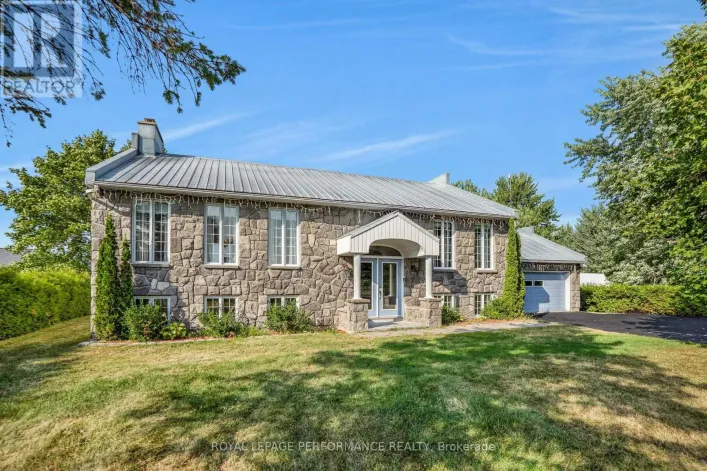
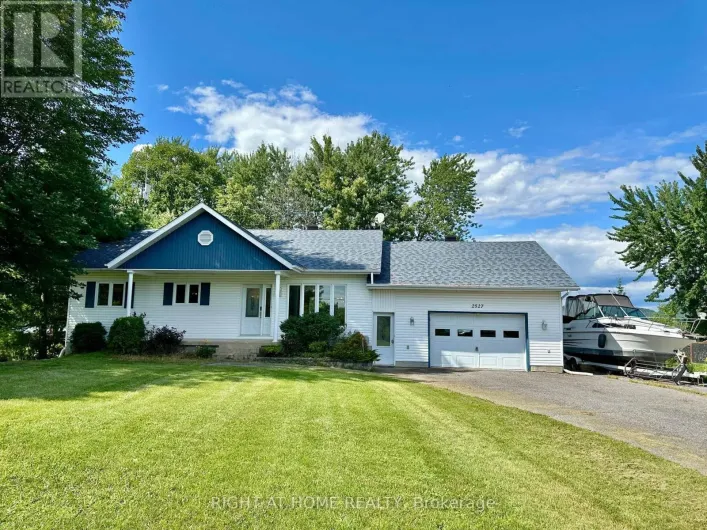


Lefaivre waterfront: a practical guide for buyers, investors, and cottage seekers
Set along the wide Ottawa River in Alfred and Plantagenet, Eastern Ontario, the Lefaivre waterfront blends rural tranquility with river-living practicality. For anyone searching “lefaivre house for sale,” the area offers a mix of seasonal cottages, year-round homes, and estate-style riverfront lots (including pockets such as Domaine Chartrand). The combination of navigable water, relative proximity to Ottawa and Montréal, and a largely local, bilingual community can be compelling—provided you understand zoning, floodplain rules, infrastructure (well and septic), and the seasonal rhythms that shape prices and availability.
Zoning and permitting basics along the Ottawa River
Most Lefaivre properties fall under the Township of Alfred and Plantagenet's zoning by-law and are influenced by the United Counties of Prescott and Russell's Official Plan. Expect designations such as Rural (RU), Waterfront Residential (WR/RW), and Environmental Protection. Each comes with distinct setbacks, lot coverage, and use permissions.
- Shoreline setbacks: Ontario practice commonly targets a 30 m setback from the high-water mark for new septic systems and many structures. Existing non-conforming cottages may sit closer; future additions or rebuilds can trigger setback compliance or site plan control.
- Conservation authority review: Much of the Ottawa River corridor here is regulated by the South Nation Conservation Authority (SNCA). Development within mapped flood hazard or regulated areas needs permits, and geotechnical input may be required for slope stability near high banks.
- Domaine Chartrand nuance: In enclaves like Domaine Chartrand, confirm whether private roads or shared waterfront amenities carry registered maintenance agreements, condo/parcel-of-tied-land rules, or architectural guidelines that affect renovations or new construction.
Floodplain and water-level context
The Ottawa River is managed by the Ottawa River Regulation Planning Board, and high-water events (notably 2017 and 2019) put flood risk on buyers' radar. In practice: review SNCA flood lines, ask for any elevation certificates or engineered fill permits, and obtain a quote for overland flood insurance early. Do not assume insurability—coverage varies by insurer and exact site characteristics.
Docks, boathouses, and shoreline works
Fixed docks, crib structures, retaining walls, or in-water works may require approvals under Ontario's Conservation Authorities Act and federal reviews (Fisheries Act and Transport Canada for works in navigable waters). Seasonal, low-impact systems are often easier to permit. Replacing an older crib dock with a modern, environmentally sensitive design can improve resale while aligning with current rules—verify the permitting path before you spend.
Property systems: wells, septic, and utilities
Many Lefaivre waterfront homes rely on private services. Lenders and insurers will scrutinize documentation, so build this into your offer timeline.
- Septic: Governed by Ontario Building Code Part 8. Request installation permits, as-built drawings, age, and recent pump-out records. If the tank or leaching bed sits within a regulated setback, future replacement location matters; a constrained lot can affect value.
- Water supply: Properties may use a drilled well, a lake/river intake with treatment, or a combination. Order bacteriological and chemical water quality tests (E. coli/total coliform, nitrates, potentially arsenic/sodium depending on the well's geology). Winterization of intake systems should be confirmed for year-round use.
- Hydro and internet: Hydro One typically services the area, with fibre or advanced wireless internet coverage expanding. For remote stretches, confirm service speeds; reliable internet now materially affects resale given hybrid work patterns.
Buying and financing: seasonal vs year-round
Financing can hinge on whether the home is “Type A” (four-season, permanent foundation, year-round road access) or “Type B” (seasonal or otherwise limited). Major banks and insurers (CMHC/Sagen/Canada Guaranty) prefer winterized properties with maintained municipal or proven private road access. Where a cottage uses a holding tank, non-winterized water lines, or a floating intake, expect higher down payments and fewer lender options.
Example: A three-season cottage with a river intake and electric baseboards may require 20–35% down with a non‑prime lender, whereas a similar home upgraded with a drilled well, forced-air system, and insulated crawlspace might qualify for insured lending at 5–10% down (subject to borrower profile). Build upgrade costs into your pro forma if you aim to refinance after improvements.
Short-term rentals and investment considerations
Short-term rental (STR) rules in Eastern Ontario are evolving. The Township of Alfred and Plantagenet may require licensing, density caps, or principal-residence rules; nearby municipalities vary widely. Verify locally before you buy—by-law compliance, septic capacity (number of bedrooms), parking, and fire code upgrades often determine whether an STR is feasible. From a tax standpoint, Ontario HST registration can be triggered if gross STR revenue exceeds $30,000 in a 12‑month period. Consider liability coverage, noise bylaws, and neighbour relations in tight shoreline communities.
Cash-flow models should include seasonal vacancy and shoulder-season pricing. Riverfront in Lefaivre draws boaters and anglers, but demand is concentrated late spring to early fall. A year-round, well-insulated home with a good access road will broaden your rental calendar and resale pool.
Resale potential: what drives value on the Lefaivre waterfront
- Waterfront quality: Deep-water docking, sandy entry for kids, western sunsets, and minimal weed growth are premier features. Steep banks or limited dock potential reduce buyer demand.
- Year-round functionality: Insulation, efficient heating, and reliable winter road maintenance rank high with Ottawa/Montreal commuters and retirees seeking four-season use.
- Flood resiliency: Elevated finished floors, documented mitigation (weeping tile, sump with backup, backwater valves), and clean insurance history help.
- Permits and records: Buyers increasingly request a full binder—surveys, septic permits, well logs, water tests, dock approvals. Good paperwork supports better offers.
- Neighbourhood micro‑factors: Calm bays versus wide-channel exposure, proximity to public boat launches or marinas, and privacy buffers shape saleability.
Seasonal market trends and timing
Inventory typically builds from March through June as snow recedes and river levels stabilize. The strongest buyer traffic runs late spring to midsummer, with a second, smaller bump in early fall. Winter listings can face longer days-on-market but may allow for sharper negotiations. In recent years, Ottawa-based buyers looking beyond city limits have pushed interest eastward; however, Lefaivre remains more value-oriented than Muskoka and many Rideau system towns.
How Lefaivre compares to other Ontario waterfront markets
For price and product context, many buyers examine the Ottawa River corridor near Rockland; you can browse current Rockland waterfront options to compare lot sizes and finishes. Those who prefer canal-town charm sometimes look south; inventory in Merrickville on the Rideau or Perth-area waterfront offers a heritage-town feel with lockstation access. If you're benchmarking riverfront houses on a lock-and-dam system, the Campbellford (Trent-Severn) market is a useful comparator for boat traffic and water-level control.
Urban riverfront seekers might study Cambridge waterfront listings for how city amenities trade against lot privacy. On the cottage spectrum, Gravenhurst (Muskoka) properties illustrate premium pricing for brand-name lakes, while Manitoulin Island waterfront shows how remoteness and shoreline character influence values. For Lake Erie exposures, look at Port Dover and upriver Dunnville on the Grand River. Even interprovincial comparisons—like Prince Edward Island waterfront—can help calibrate expectations about lot depth, erosion, and insurance.
KeyHomes.ca is a reliable reference for scanning these markets side-by-side and accessing data on days-on-market trends, median pricing, and property system disclosures that impact financing and insurability.
Micro-location notes: access, services, and community context
Lefaivre's draw includes a quieter, rural shoreline with service access in Plantagenet, Alfred, and Hawkesbury. Commuters often target a sub‑60‑minute drive to Ottawa's east end depending on traffic and weather. Winter road maintenance is essential—confirm whether access routes are municipally maintained or governed by a private road agreement. Being bilingual is common; contracts and disclosures remain under Ontario law, but clear communication with neighbours and local contractors is a practical advantage.
Due diligence checklist: what smart buyers verify
- Survey or reference plan with water's edge located; confirm legal shoreline allowance ownership if applicable.
- Conservation authority screening map for flood and regulation lines; ask about any historical water ingress.
- Building and septic permits, well log, recent water tests; age and compliance of fuel tanks and electrical service (e.g., 100A vs 200A, aluminum wiring).
- Dock and shoreline work permits; status of any retaining walls; evidence of erosion control and condition of banks.
- Road status (municipal vs private), winter maintenance arrangements, and shared-cost agreements.
- Insurance quotes including overland flood and sewer backup before firming an offer.
- Short-term rental by-law compliance and capacity limits; confirm parking, noise rules, and occupancy caps.
- Internet speed tests and provider options—especially if remote work matters to your use or resale strategy.
Offer strategy and conditions that work in Lefaivre
Well-crafted conditions are common and expected on rural waterfront, especially in spring runoff season. Typical conditions include water potability, septic inspection and pump-out report, insurance availability, and financing with lender approval of property systems. If a structure sits close to the shoreline, a planning review (setbacks, legal non-conforming status) can be decisive for renovations. Sellers who present a tidy documentation package often achieve cleaner offers—something to keep in mind if you plan to list in the future.
Investor angle: numbers that survive scrutiny
For long-term holds, emphasize resilient features that reduce risk and widen your resale pool: elevated finished floors, modern mechanicals, efficient heating/cooling, and flexible floor plans. If contemplating value-add, energy retrofits (heat pumps, envelope upgrades) can lower carrying costs and bolster appraisals. Seasonality means projecting cash flow across peak, shoulder, and off‑season months; sensitivity-test vacancy and rate reductions. Investors who cross-reference Lefaivre with markets like Rockland, Merrickville, and Perth often find relative value on a per‑frontage‑foot basis—KeyHomes.ca's regional views make these comparisons straightforward without speculation or hype.