
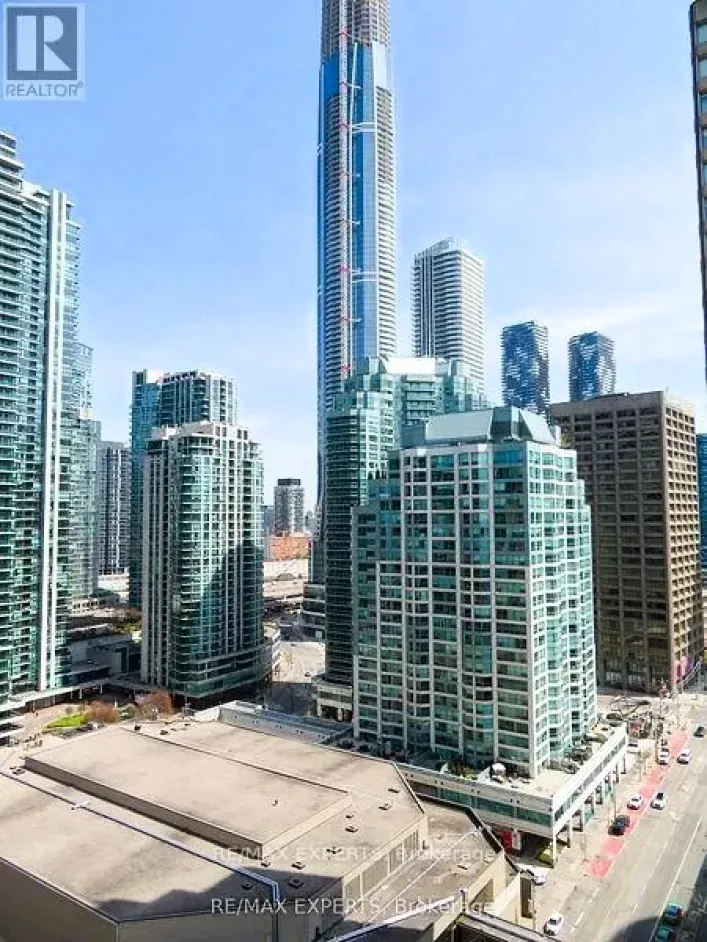
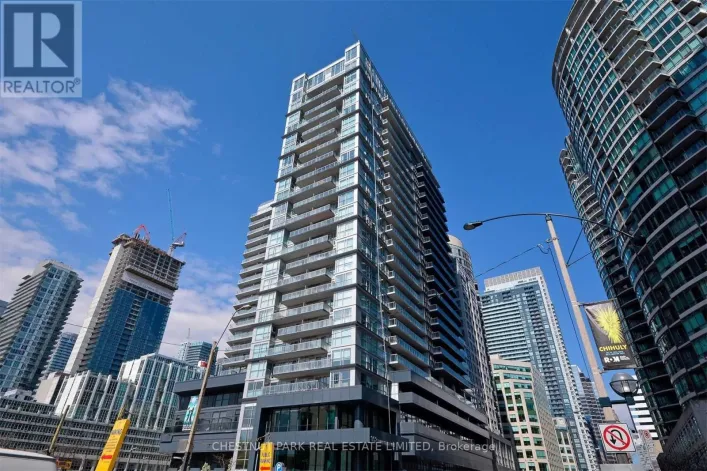

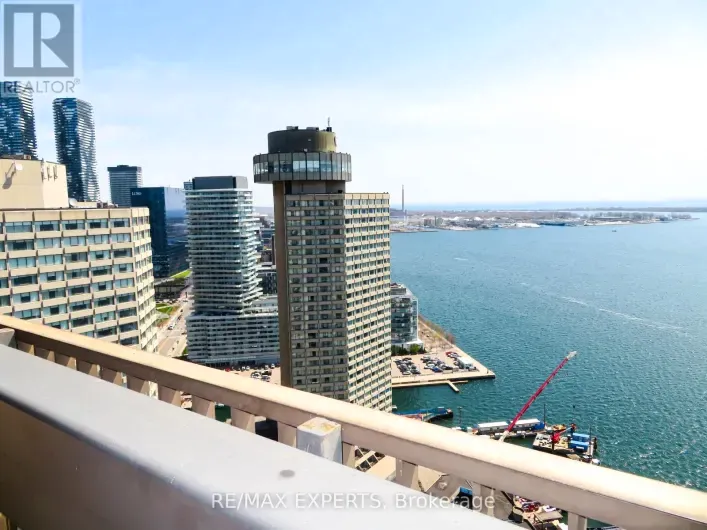
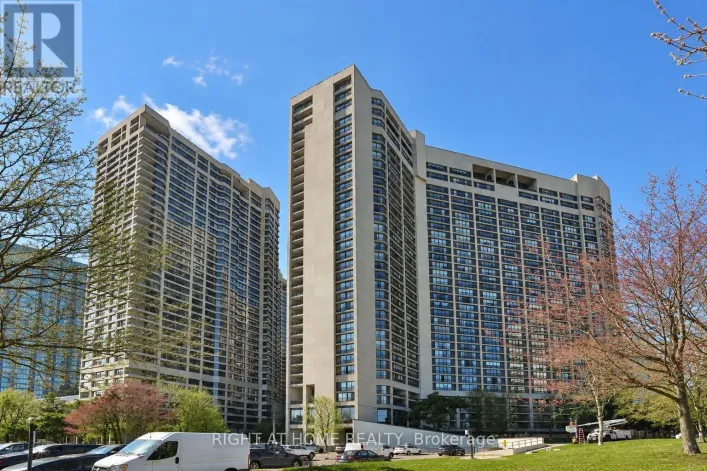


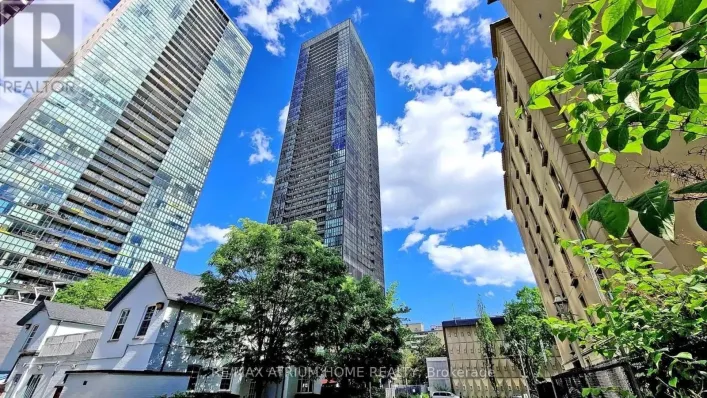


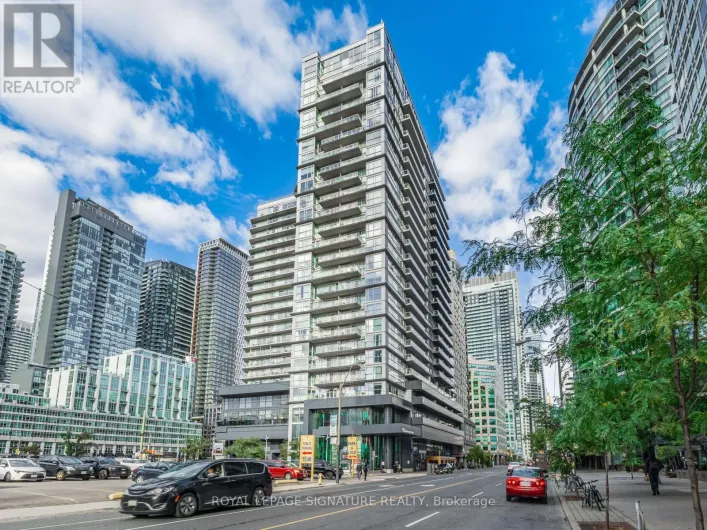


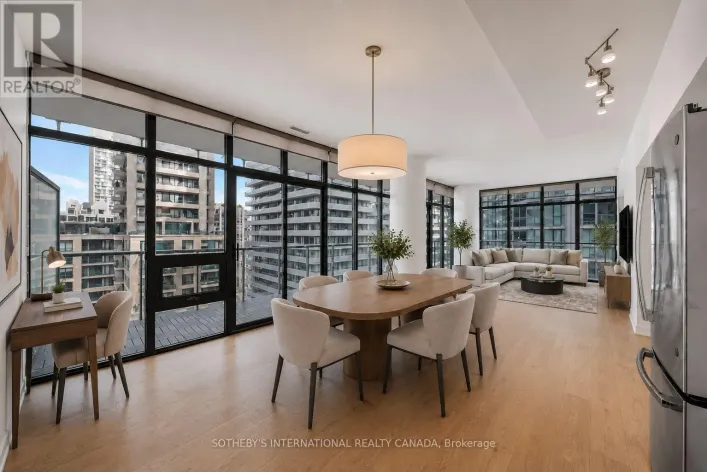


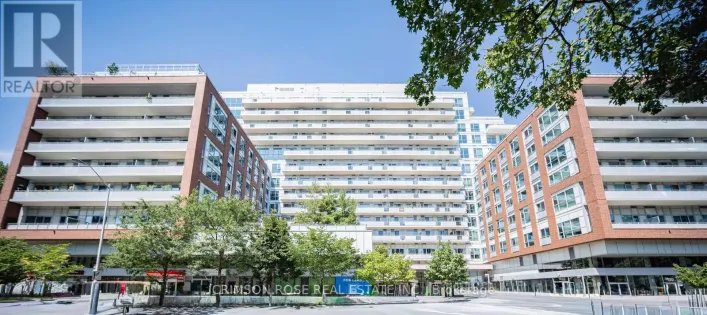


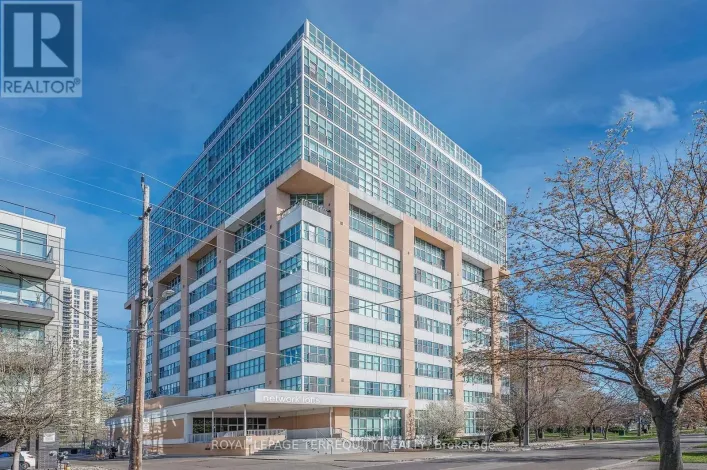







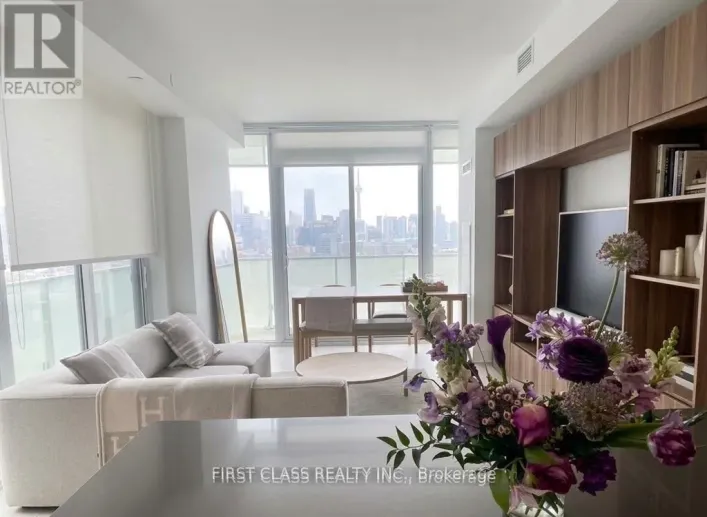





Interest in a rooftop garden Toronto condo ON has grown as buyers and investors seek outdoor space without the upkeep of a detached yard. Whether you're eyeing a condo with rooftop patio privileges downtown, a rooftop garden apartment near transit, or a condo with private garden-style planters in midtown, these homes offer a compelling mix of lifestyle and value—provided you understand the building rules, zoning, and the market forces at play in neighbourhoods from M4P 0C2 (Yonge–Eglinton) to M5B 2L1 (Church–Yonge Corridor).
Buying a rooftop garden Toronto condo ON: what it really means
In Toronto, “rooftop” space usually falls into two categories:
- Common-element rooftop terraces: Shared amenities that the condo corporation maintains. You can enjoy the views and often book a section for gatherings, but you typically can't plant permanent beds or add structures.
- Private rooftop terraces or “limited common elements”: Exclusive-use areas attached to a specific unit (e.g., a two-storey penthouse or stacked townhome). Owners may be allowed planters and container gardens, subject to rules on weight, drainage, and aesthetics. Structural changes typically need formal approval.
Pre-construction marketing sometimes calls these “rooftop condos,” “rooftop townhomes for sale,” or a “roof top apartment for sale.” Verify on the disclosure and condominium plans whether the space is part of your freehold interest, a limited common element, or simply access to a shared amenity.
Zoning, permits, and condominium rules
City bylaws and building code
Toronto's Green Roof Bylaw applies to certain larger new developments and influences how much green roofing a building must include. It doesn't grant unit owners the right to alter roofs. If you plan anything beyond container gardening—like pergolas, raised decks, or an irrigation system—expect to involve the condo board, and possibly the City, for permitting. Height limits, wind loads, guardrail requirements, and fire separations may all apply. Municipal rules vary across Ontario; outside Toronto (e.g., Oakville or Hamilton), confirm the local framework.
Condominium Act considerations
Under Ontario's Condominium Act, altering common elements typically requires board approval and a Section 98 agreement registered on title if you're making an owner-specific modification. This agreement clarifies responsibility for maintenance, repair, and insurance. Do not assume you can anchor planters, add gas lines, or install pergolas without formal approval.
BBQs, fire code, and utilities
Many corporations prohibit charcoal or propane on balconies and rooftop terraces; electric grills are commonly allowed but not guaranteed. Water hose bibs and gas connections are building-specific. If you're counting on a true apartment rooftop garden with irrigation, confirm the availability of water and winterization procedures.
Practical design and maintenance: what savvy owners check
- Weight and waterproofing: Roof membranes and structural capacity are finite. Lightweight planting media and properly elevated planters with drainage mats are typical requirements.
- Wind and anchoring: Rooftops can be gusty. Unsecured items can become projectiles; many boards require tethering or specific planter systems.
- Drainage and neighbours: Overflow that stains façades or drips to lower terraces creates liability. Ask for the building's planter and drainage standards.
- Seasonality: Expect to winterize irrigation and move tender plants indoors. Salt spray and freeze–thaw cycles are real; choose hardy, native species.
- Pesticides and composting: Ontario restricts cosmetic pesticide use; composting on rooftops is often prohibited due to pests.
Financing, insurance, and fees
Appraisals and lending: Lenders and appraisers may ascribe only partial value to exterior space. A buyer of a 700 sq. ft. unit with a 500 sq. ft. terrace in M5B 2L1 may find the appraisal heavily weights interior area, with a modest dollar-per-square-foot attribution for the terrace. This can affect loan-to-value ratios and down payment needs.
Insurance: Your condo unit owner policy should address improvements and betterments, plus liability for water damage from planters or irrigation leaks. The corporation's policy won't cover your contents.
Maintenance fees and reserves: Roof membranes and amenity decks are major reserve fund items. Review the status certificate to see if the corporation anticipates near-term roof work or special assessments. For pre-construction rooftop condos for sale, scrutinize the disclosure for rooftop finishes and warranty coverage.
Resale potential and market dynamics
Outdoor space is scarce in dense nodes like Yonge–Eglinton (M4P 0C2) and the Church–Yonge Corridor (M5B 2L1). A well-executed terrace can support a resale premium—often reflected less in a strict price-per-square-foot and more in faster absorption and stronger offer activity during warm months.
- Seasonality: Listings with large terraces show best from May to September. If you must sell in winter, include summer photos and a planting plan in the marketing package.
- Orientation and privacy: South and west exposures are bright but hotter; north can be calmer for leafy planters. Buyers pay for privacy and usable layouts more than raw square footage.
- Investor take: Renters value a condo with rooftop patio access, but don't overestimate rent premiums if the space is bare or windswept. Amenities and proximity to transit often drive rent more than the terrace alone.
Short-term rentals and bylaw cautions
Toronto restricts short-term rentals to a host's principal residence and requires registration. Many buildings prohibit short-term rentals entirely. A stunning apartment with rooftop garden will not override building rules; if income is a key part of your pro forma, verify the declaration and rules before you buy.
Neighbourhood and regional context
Downtown Toronto offers the greatest selection of rooftop condos for sale, with some buildings purposely designed for expansive outdoor living—see how developer styles differ by browsing Edge Condo projects in Toronto or comparing finishes with luxury residences by Shane Baghai on KeyHomes.ca. Transit access also matters for end-users and investors; properties marketed as GO Train-access apartments can help hedge vacancy and broaden tenant pools.
If you're weighing a terrace-centric lifestyle against suburban or small-city value, compare mid- and outer-GTA options. For example, Oakville's mid-rise offerings near Bronte can pair outdoor space with schools and trails—consider current activity around Bronte Road in Oakville. Hamilton's revitalizing nodes are adding amenity decks too; watch emerging inventory near Hamilton Eastgate. Buyers exploring Southern Ontario may find compelling price points—see a representative 1-bedroom in Simcoe and ask how its outdoor features compare to a downtown terrace per dollar.
Beyond condos, seasonal cottage seekers sometimes swap a yard for a terrace while keeping a weekend retreat. If that's your plan, study water-system realities. A waterfront property on the Trent–Severn Waterway will involve shoreline rules, septic inspections, and seasonal access—complexities absent in a condo with private garden planters. For families who want summer lounging without cottage maintenance, a suburban house with a pool—like options around Fonthill with private pools—can be a fair comparison to a large terrace.
KeyHomes.ca is a practical resource when you're balancing these trade-offs. Their neighbourhood pages, such as Sally Creek community insights, and curated urban picks like Toronto condo alternatives with rooftop townhome layouts, help you benchmark price, space, and amenity value across Ontario markets.
Lifestyle advantages (and frictions) of rooftop living
- Wellness and utility: Sunlight, herbs, and a modest apartment rooftop garden can improve day-to-day living. Dogs benefit from quick outdoor breaks if rules allow.
- Microclimate reality: Noise from mechanical equipment and wind eddies near parapets can reduce usability. Tour at different times of day and check proximity to HVAC stacks.
- Community expectations: Some corporations curate a uniform look for planters and furniture. If design freedom matters, review the rules in detail.
Pre-construction vs. resale: timing and transparency
Pre-construction “rooftop townhomes for sale” can deliver outstanding outdoor space, but details may shift between marketing and occupancy. Confirm structural loads, hose bibs, privacy screens, and final materials in the agreement and plans. Interim occupancy periods may limit your ability to customize immediately. Resale purchases offer more certainty—you can see how wind behaves and how neighbouring sightlines affect privacy.
Due diligence checklist for buyers
- Status certificate: Look for rules on planters, BBQs, furniture weights, and noise. Check whether the roof membrane is nearing end-of-life in the reserve fund study.
- Terrace designation: Clarify if the space is freehold, exclusive-use common element, or shared common element; this impacts control and responsibility.
- Section 98 agreements: If you're inheriting previous owner modifications (e.g., decking, irrigation), ensure the agreement is registered on title and insurance obligations are clear.
- Appraisal assumptions: Ask your lender or broker how they value large terraces relative to interior footage; plan your down payment accordingly.
- Seasonal testing: Visit on a breezy day, at dusk, and on weekends to gauge wind, shade, and noise. If buying off-season, request summer photos or prior landscaping invoices.
- Operating costs: Factor in planter soil, winter storage, and possible electric grill upgrades. Hydro for outdoor outlets can be significant with heaters or pumps.
How this fits today's market
Seasonality in Toronto means inventory with outdoor features clusters in spring, with the strongest showing and sale prices typically running late spring to early summer. In cooler months, patient buyers can uncover value in rooftop condos for sale where the terrace is underappreciated. Investors should underwrite conservatively, treating the terrace as a leasing differentiator rather than the sole rent driver. Owner-occupiers should weigh whether a compact “condo with private garden” layout replaces the need for a cottage or pool—or whether a hybrid plan (e.g., terrace + occasional cottage rental) better fits lifestyle goals.
For comparative shopping across city cores and commuter belts, it helps to track multiple submarkets. Market pages on KeyHomes.ca—from downtown condo case studies to suburban nodal snapshots—offer a convenient way to cross-reference pricing, amenities, and outdoor-space value as you decide between an apartment with rooftop garden and other Ontario housing types.