




Home Prices in Rural Bighorn No. 8
When comparing Rural Bighorn No. 8 real estate listings, consider the land and location as carefully as the home itself. A detached house on a larger parcel can have a similar asking price to a more compact property but differ substantially in road access, utility servicing and upkeep. Home condition, usable land and year-round access all help explain why asking prices vary.
Matching listings: 8
Average asking price by property type
- Houses
- 6 listings
- $2,296,832
To gauge supply and demand, look at which property types are available, how long comparable homes have been listed and whether sellers have adjusted their asking prices. A change in the mix of homes for sale can make prices appear higher or lower even when the value of similar properties has not shifted. Recent sales offer a better benchmark when the homes have comparable acreage, condition and servicing. Sellers can use those comparisons to set an asking price, while buyers can weigh that price against expected maintenance and operating costs.
Explore MLS® Listings in Rural Bighorn No. 8
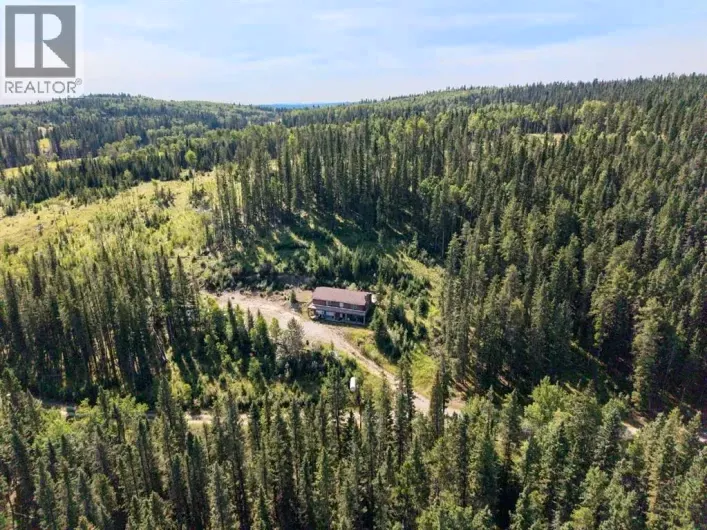
When browsing houses for sale in Rural Bighorn No. 8, compare the setting as well as the property type. A smaller lot may suit buyers who want less outdoor maintenance, while an acreage may offer more privacy or room for outbuildings. Look beyond the advertised lot size: slope, drainage, easements and driveway placement can affect how much land you can use. Properties in nearby areas may also differ in utility connections, road maintenance and travel time to everyday services.
Use filters for price, bedrooms, bathrooms, lot size, parking and outdoor space to find homes that fit your daily routine. Listing photos can show how the house, driveway and surrounding land are laid out, while floor plans help you assess how rooms connect, where storage is located and how you enter from the parking area. Compare shortlisted homes with recent sales in similar settings, accounting for differences in condition, access and servicing before drawing conclusions from asking prices alone.
Neighbourhoods & Amenities
The trade-off between privacy and convenience varies across Rural Bighorn No. 8 neighbourhoods. A property closer to a main route may mean a simpler commute or easier access to schools, shops and recreation, while a more secluded setting may suit buyers who value quiet and open space. Parks, trails and other greenspace can add appeal, but proximity on a map does not guarantee convenient public access. Check school transportation, transit and winter road maintenance for the specific address, since these details affect daily routines and can help you choose between otherwise similar homes.
Rural Bighorn No. 8, M.d. Of City Guide
The Municipal District of Bighorn No. 8 spans parts of Alberta's Bow Valley and eastern Rocky Mountain foothills, where river corridors, forested slopes and ranchland separate small settlements. If you're looking to buy a house in Rural Bighorn, this guide covers the district's history, where residents work and shop, and why a short distance on the map can mean a much longer drive.
History & Background
Indigenous peoples have long used the Bow Valley and surrounding foothills for travel, hunting and trade. The Îyârhe Nakoda (Stoney Nakoda) have enduring ties to the area, and neighbouring Morley remains an important community today. The railway later brought industrial development to the valley, while ranching shaped settlement across the foothills. Exshaw grew around cement manufacturing, which still shapes the hamlet's landscape and contributes to the local economy.
Bighorn is a municipal district rather than a single town. Its communities share a local government, but they do not necessarily use the same commercial centre or main travel route. Nearby rural municipalities such as Rural Rocky View County share Bighorn's ranching history and rely on larger centres for some services. Bighorn's mountain terrain and Bow Valley industries distinguish it from its rural neighbours.
Economy & Employment
Cement manufacturing and related industrial work provide jobs around Exshaw. Construction, trades, road maintenance and property services also support local households and businesses, while ranching remains part of the foothills economy. This work is spread across the district rather than concentrated in a downtown, so the route to a job site can matter as much as its distance from home.
Many employment options are in the wider Bow Valley. Canmore and Banff offer jobs in hospitality, food service, recreation and retail, as well as in health care, education and other public services. For households in parts of the eastern foothills, Cochrane may be more practical for work or errands. When comparing homes, think through the trips you make each week, from driving home after a late shift to combining groceries with other stops. If you work remotely, check internet availability and mobile reception at the property rather than assuming service matches that of nearby homes.
Neighbourhoods & Lifestyle
Bighorn's neighbourhoods are distinct hamlets and rural pockets rather than parts of one continuous town. Exshaw has a compact street layout, a school and a mix of older and newer detached homes. Dead Man's Flats is close to the Trans-Canada Highway and has both detached and attached housing, with Canmore a short drive away in normal conditions. Harvie Heights sits against wooded slopes just west of Canmore. In these hamlets, check how far you would travel to a local gathering place or walking route, as well as to a supermarket or medical appointment.
Farther into the foothills, acreages can offer more space and privacy, but buyers should consider driveway clearing, water supply and wastewater systems. Nearby communities to explore include Ghost Lake and Waiparous. These trips are generally made by car, and living near a recreation area does not necessarily mean there is public access from the property. Outdoor activities include hiking, cycling and spending time by the water where access is permitted. When comparing homes, distinguish between amenities you can reach within the hamlet and the recreation and services available across the wider region.
Getting Around
Driving is the most practical option for most trips. The Trans-Canada Highway connects Bow Valley communities to Canmore, Banff and Calgary, while properties farther into the foothills may rely on secondary highways, gravel roads and private approaches. For commutes and day trips, nearby destinations include Cochrane and Banff. Which one is more convenient depends on where you live: Banff is a westbound destination from the Bow Valley hamlets, while Cochrane is often more practical from the eastern foothills.
Regional transit serves parts of the Bow Valley, but service in larger centres does not guarantee a practical connection from every hamlet. A route that works for a daytime outing may not suit an early shift or a late return. Walking is most practical in compact settlements, while cycling conditions depend on road shoulders, traffic and whether pathways connect. At rural properties, road maintenance and snow clearing on local roads can affect a trip as much as conditions on the main highway.
Climate & Seasons
Bighorn's weather reflects its location between the foothills and mountains. Winter can bring sustained cold, snowfall and icy roads, while Chinook winds sometimes cause a quick thaw followed by refreezing. Sun exposure matters: a shaded approach or driveway may hold snow well after nearby open ground clears. In spring, lower trails can be muddy while snow lingers at higher elevations. Rivers and creeks can also run high during snowmelt or after heavy rain.
Summer generally offers the widest choice of outdoor activities, though thunderstorms and wildfire smoke can change plans. Autumn often brings crisp mornings and good walking weather before snow returns at higher elevations. The seasons also shape everyday routines. A wooded lot that offers shade in July may be slower to thaw in spring, while an exposed foothills property can feel much windier than a sheltered valley street. Consider those differences when comparing properties and communities in Bighorn.
Market Trends
To assess Rural Bighorn market trends, compare properties of the same type in the same part of Alberta's Municipal District of Bighorn.
The median sale price is the midpoint of prices for properties sold during a given period. It measures completed sales in the Municipal District of Bighorn, not the asking prices of homes currently listed.
This summary does not include current listing counts by property type, so it cannot show how many homes are for sale.
Recent local market statistics can help explain pricing and availability. A local real estate agent can put those figures in context for a specific property or community.
Buyers looking for detached homes, townhouses or condos for sale in Rural Bighorn can browse the local real estate board's MLS® listings and set up alerts for new properties.
Nearby Cities
If you’re browsing homes for sale in Rural Bighorn No. 8, M.D. of, compare your options with listings in Ghost Lake, Waiparous, Cochrane, and Banff.
Demographics
The Municipal District of Bighorn is rural, with small communities and acreage properties instead of a suburban layout. Families, retirees and working professionals live in the district, with outdoor recreation available in the surrounding foothills and mountains.
Detached homes are typical in Rural Bighorn, including houses on larger rural lots. Condos and rentals are less common, so check availability in the communities that interest you.