
































Home Prices in Hope
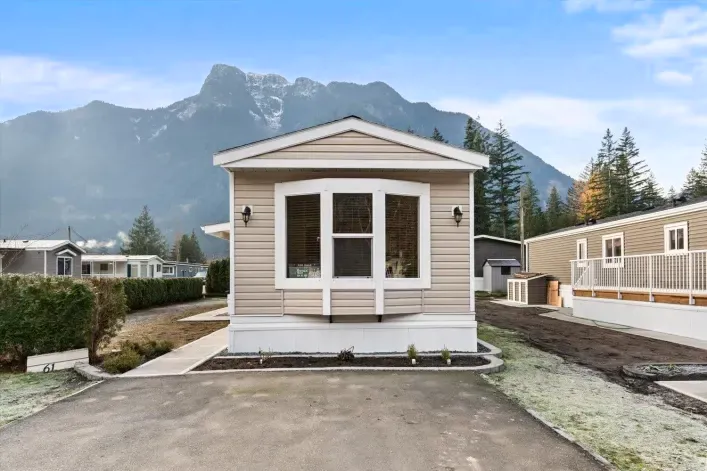
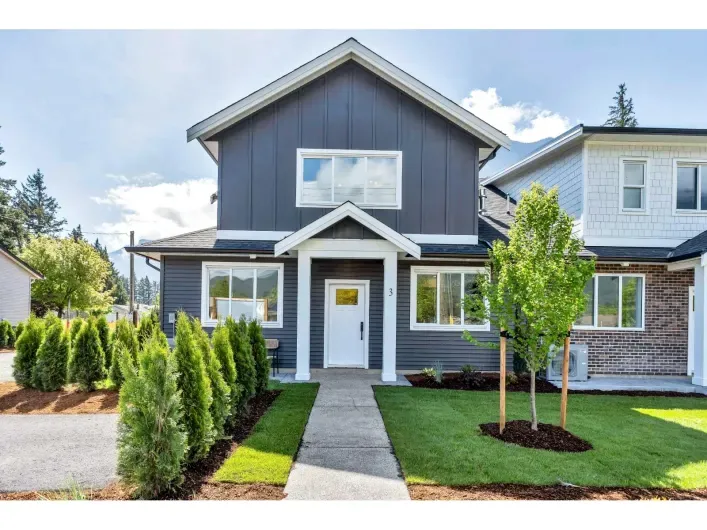
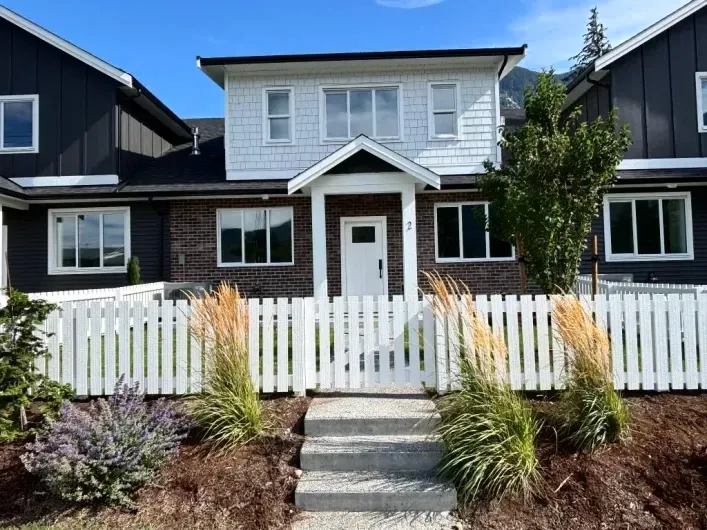
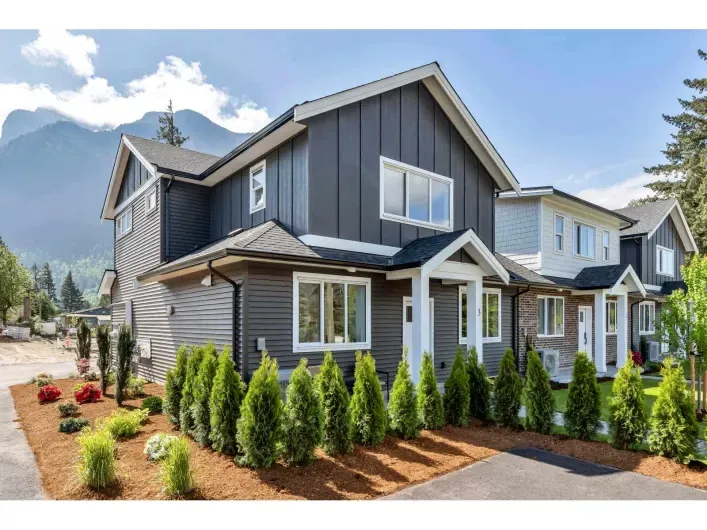
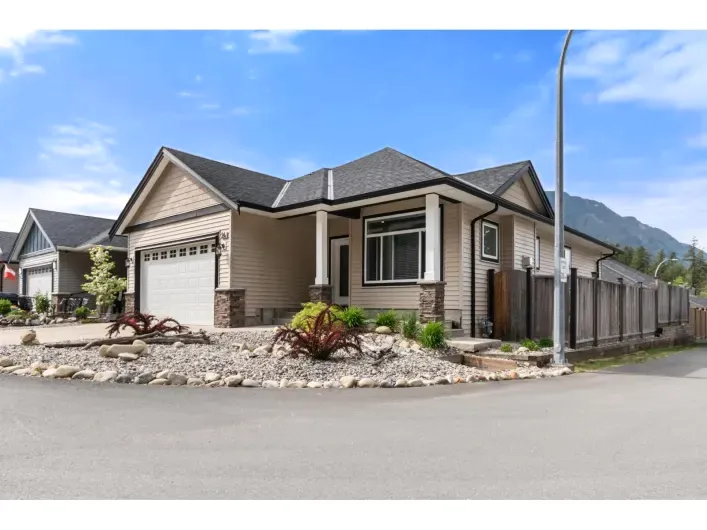
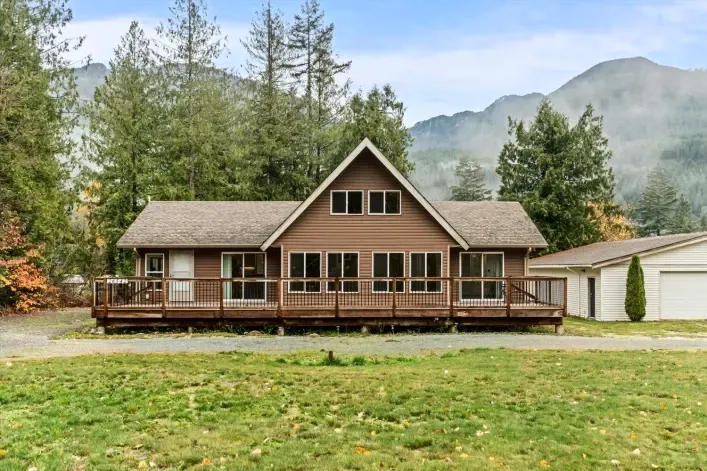
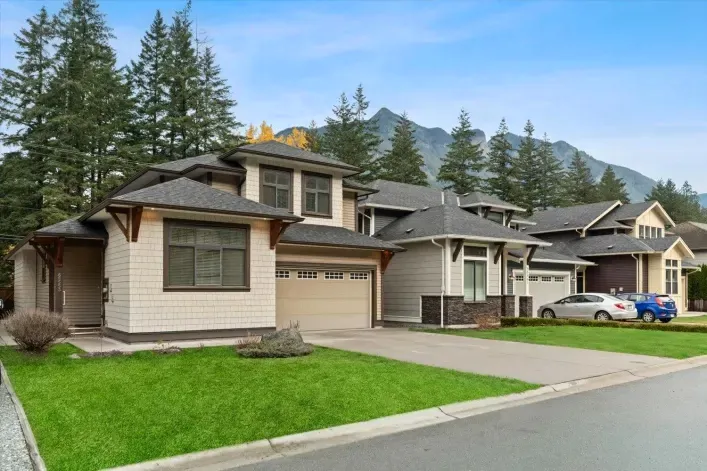
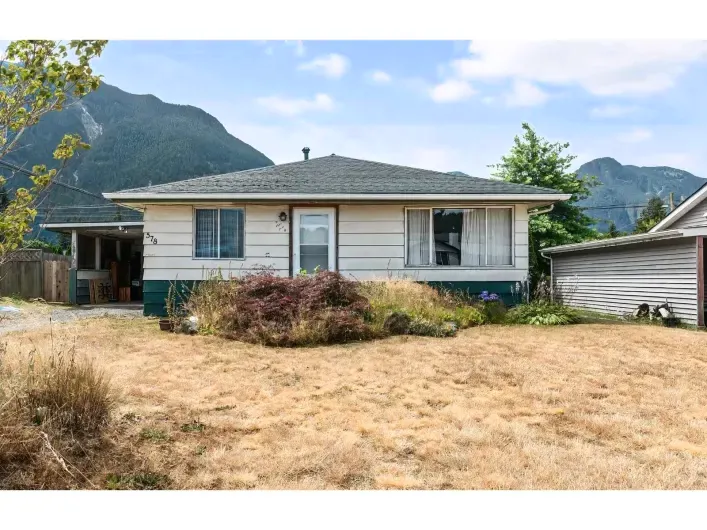
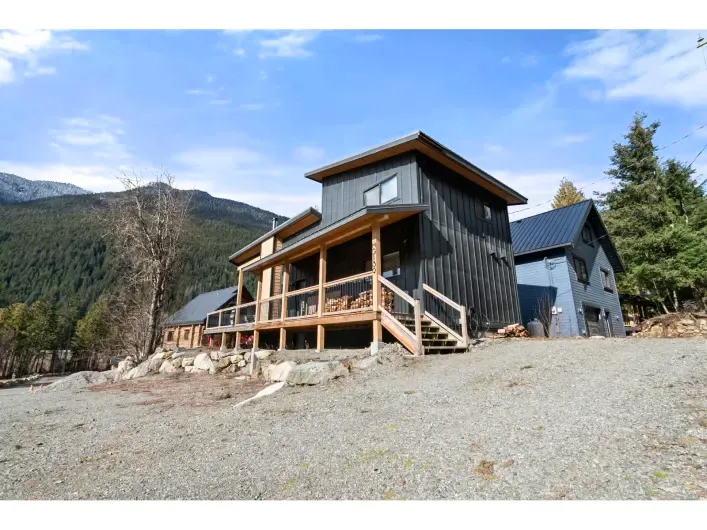
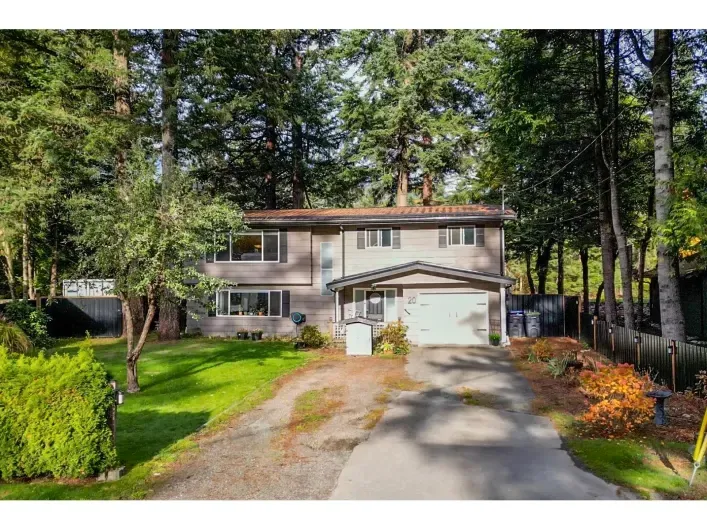
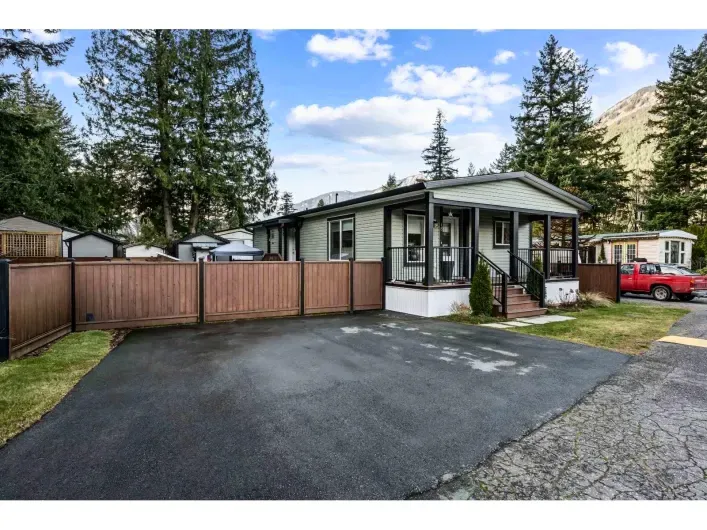
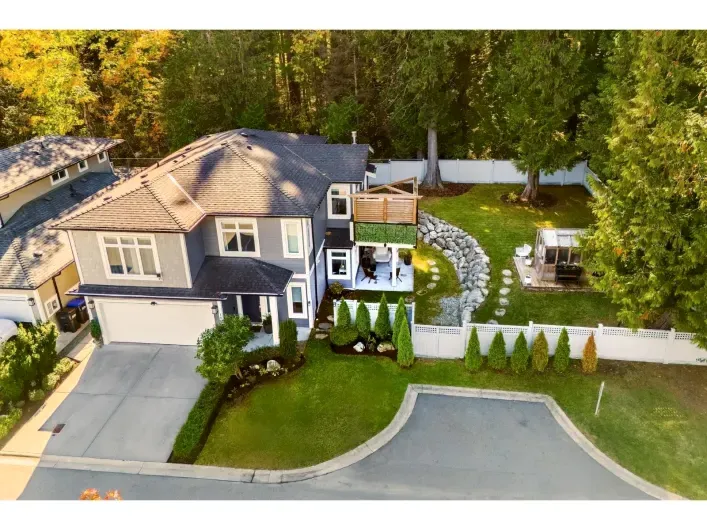
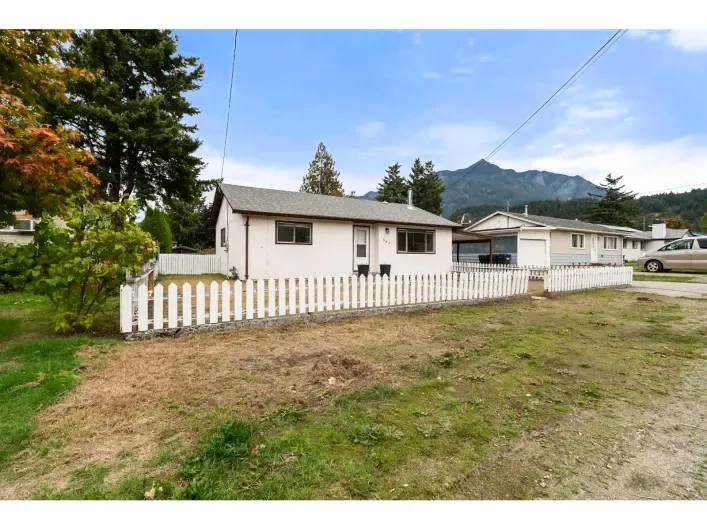
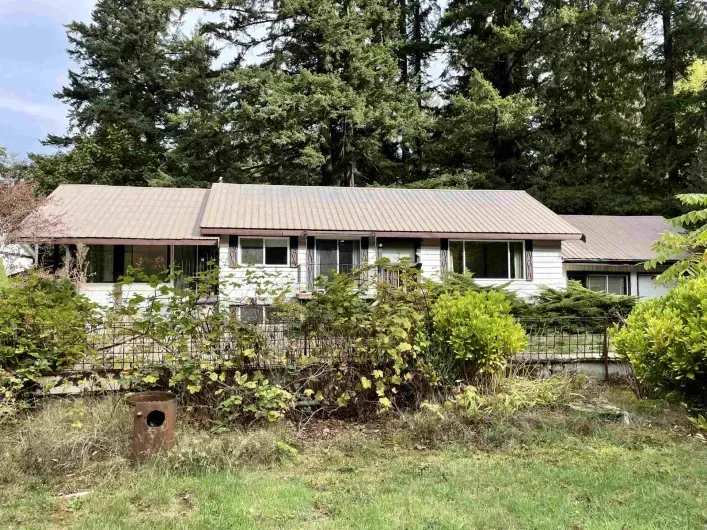
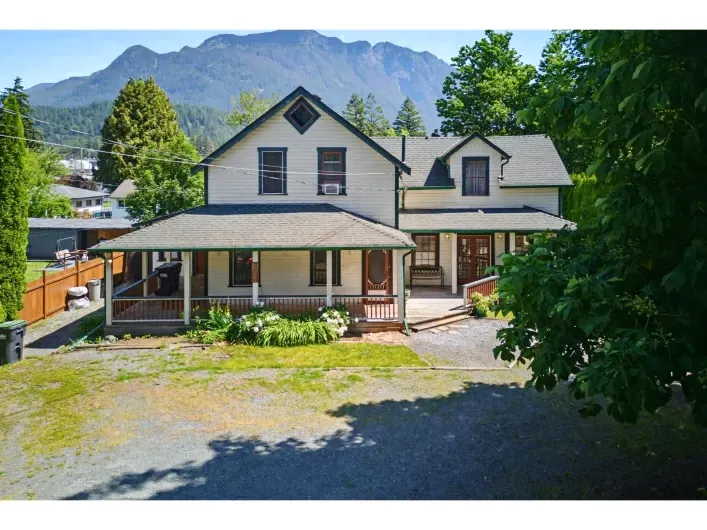
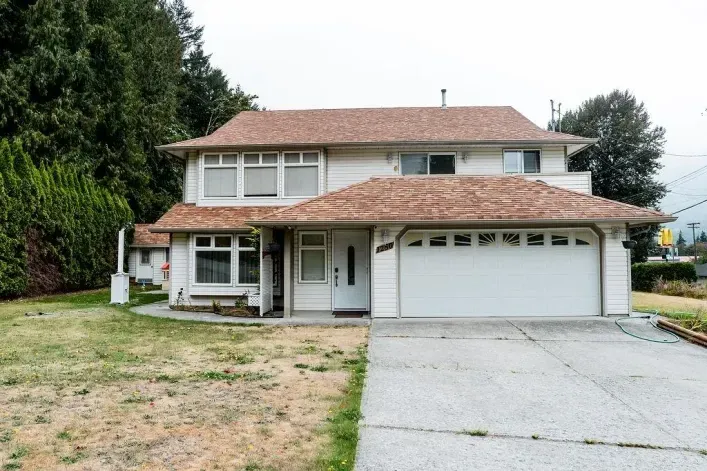
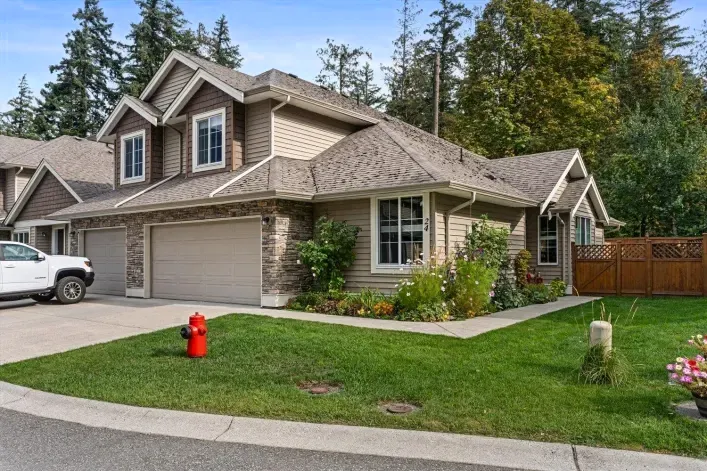
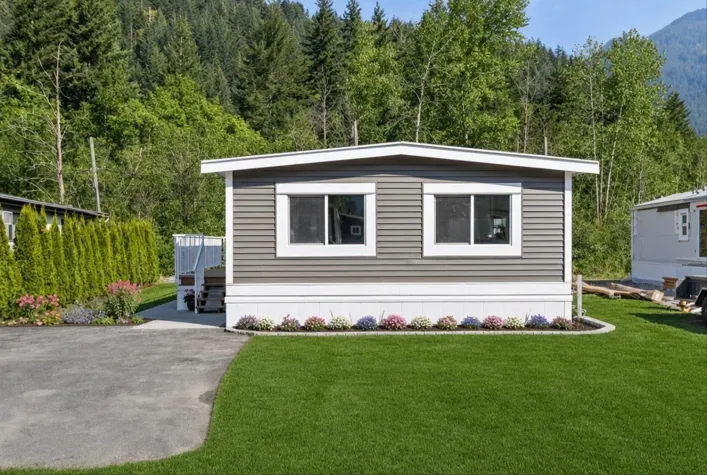
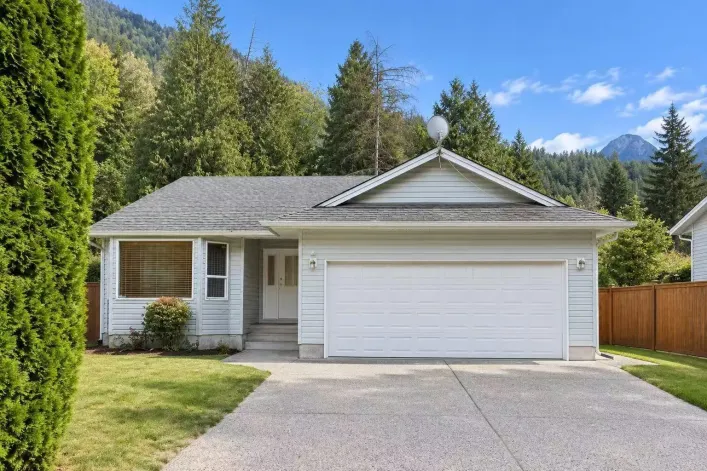
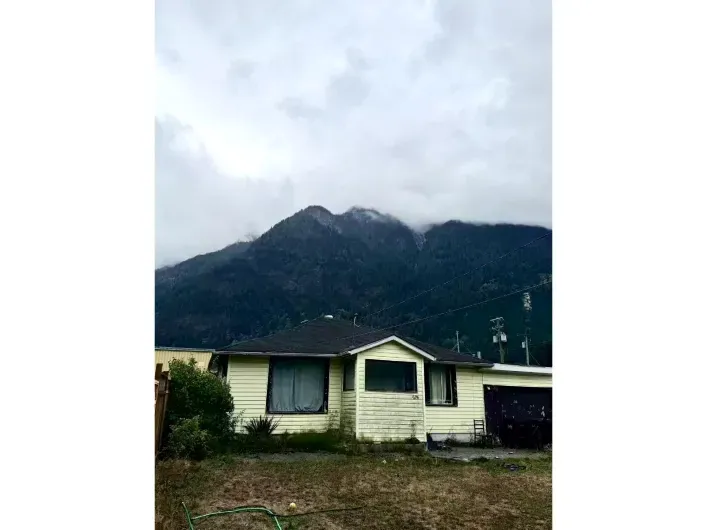
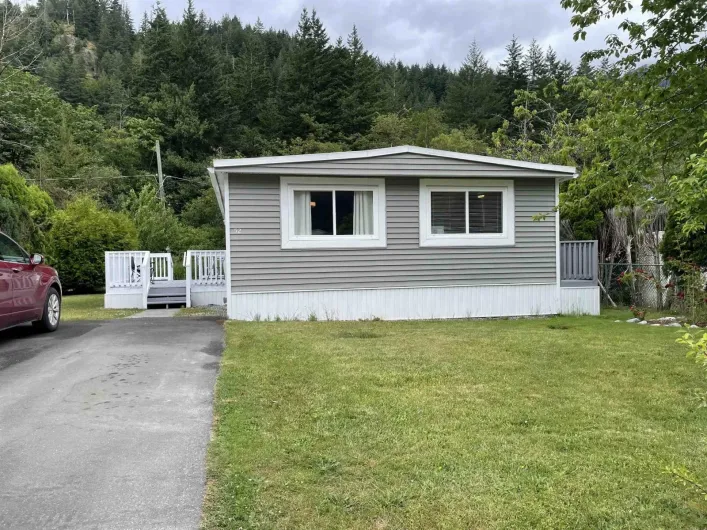
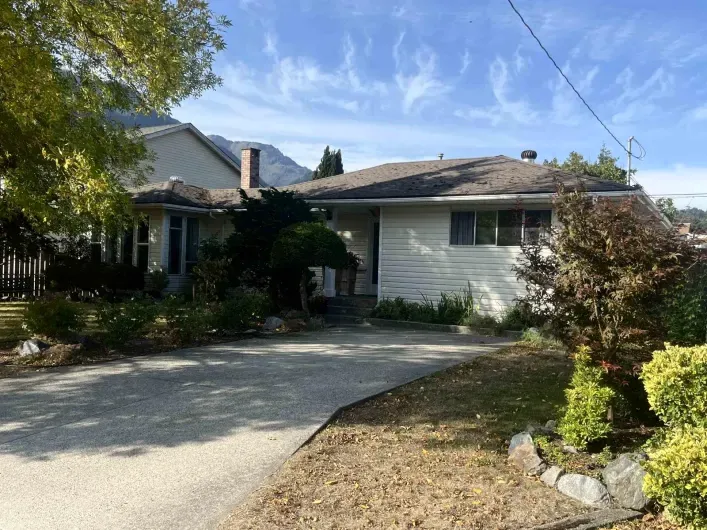
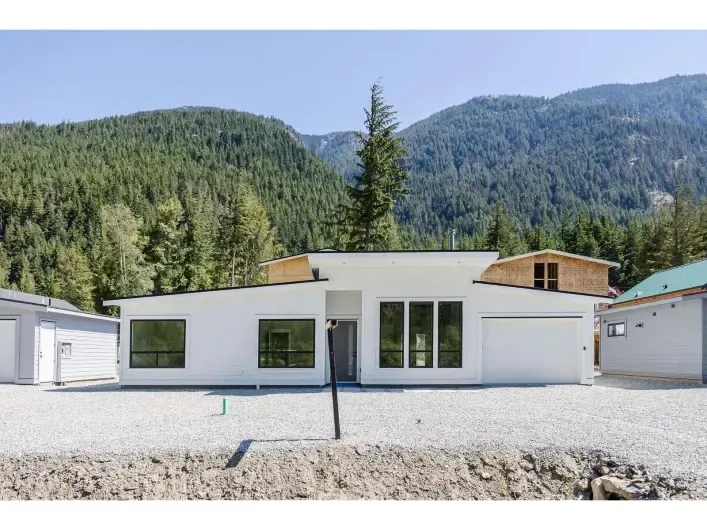
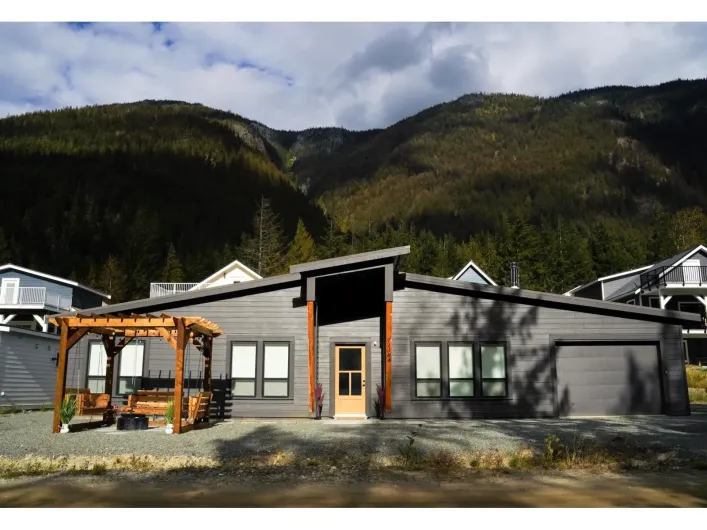
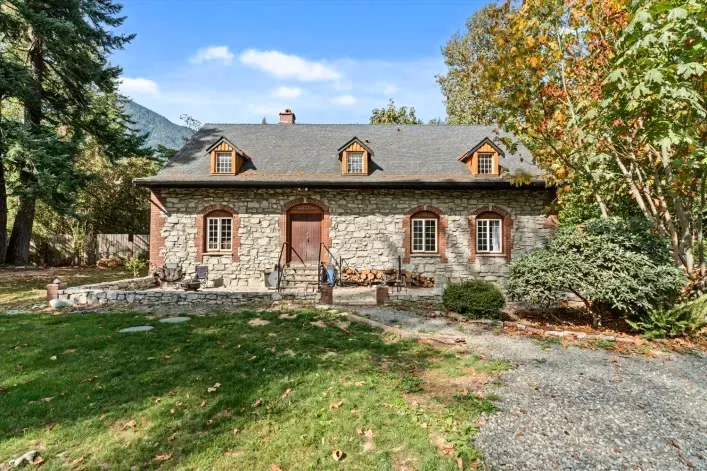
Hope real estate ranges from homes close to everyday services to properties in quieter settings with more outdoor space. Price comparisons go beyond square footage: condition, usable lot space, parking and proximity to shops or schools can all affect how buyers assess value. A home near the town centre may suit buyers who prefer to run errands on foot, while a property farther out may offer more privacy or room for a workshop. Those trade-offs help explain why similarly sized homes can have different asking prices.
Matching listings: 132
Average asking price by property type
- Houses
- 75 listings
- $874,082
- Townhomes
- 6 listings
- $565,017
- Apartments
- 3 listings
- $825,000
To understand the balance between supply and buyer demand in Hope, start by comparing similar homes. A shift in the types of homes for sale, such as more detached houses with larger lots, can change the overall price picture without indicating that comparable homes have become more expensive. Days on market and changes to asking prices add context, especially when considered alongside recent sales. For sellers, comparable sales help set an asking price; for buyers, they help assess whether that price is in line with similar properties.
From Town Centre to Quieter Settings: MLS® Listings in Hope
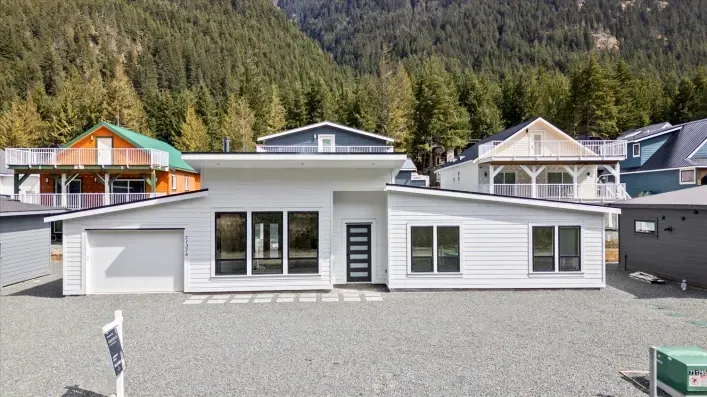
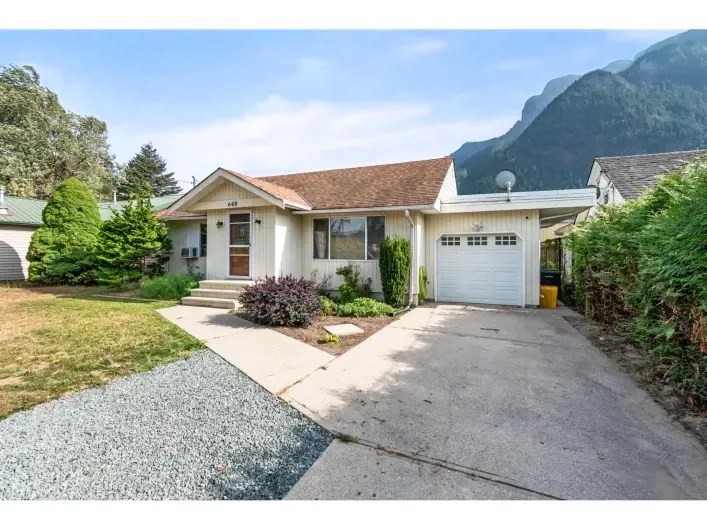
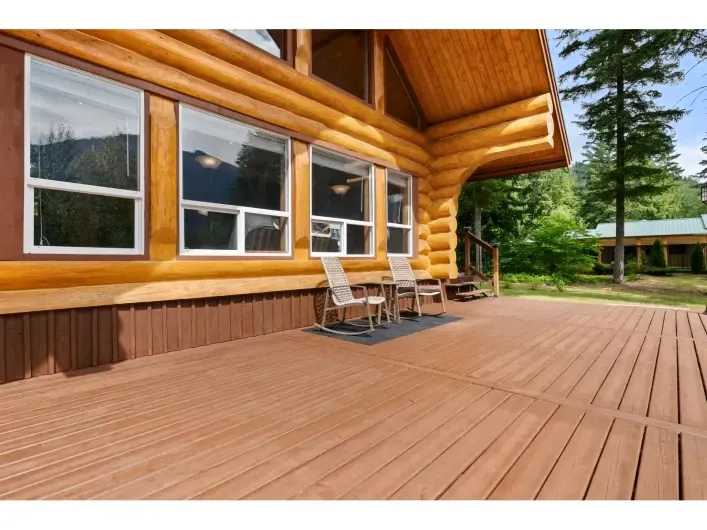
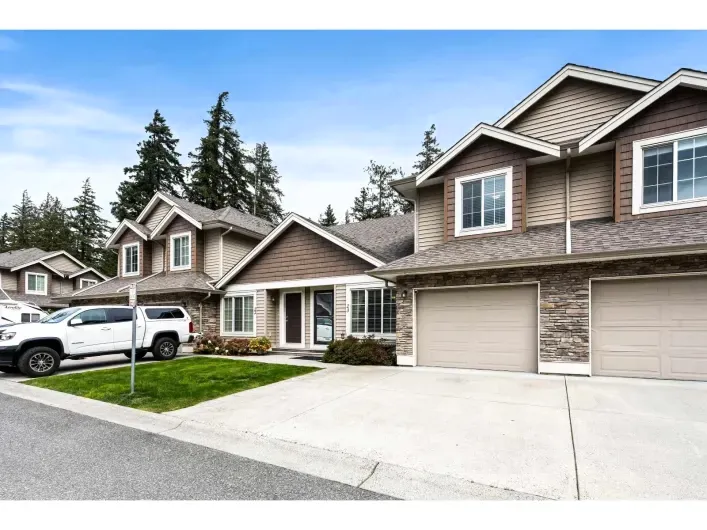
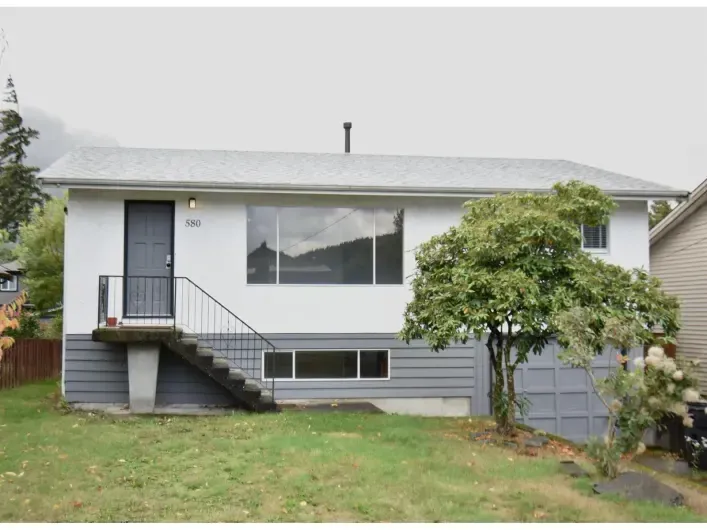
Among the homes for sale in Hope, detached houses may offer private yards, garages or room for hobbies, while attached homes can suit buyers who want less exterior upkeep. Even within the same property type, a level driveway, a main-floor bedroom or direct access from the kitchen to the yard can make a home a better fit. Look at the location street by street, too: homes that seem equally convenient on a map may differ in road noise, walking routes and access to daily services.
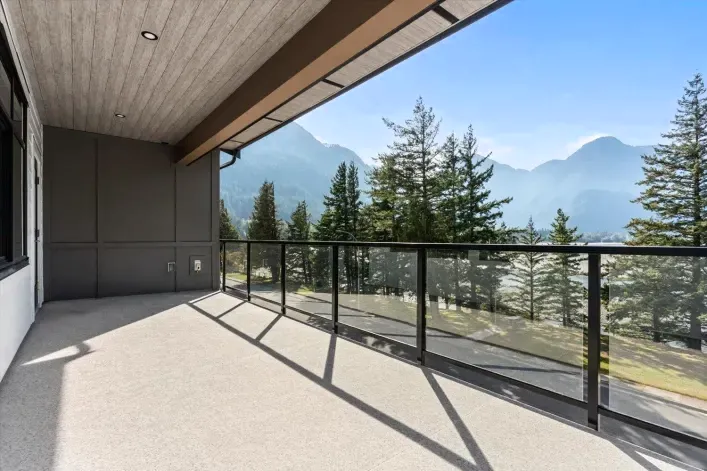
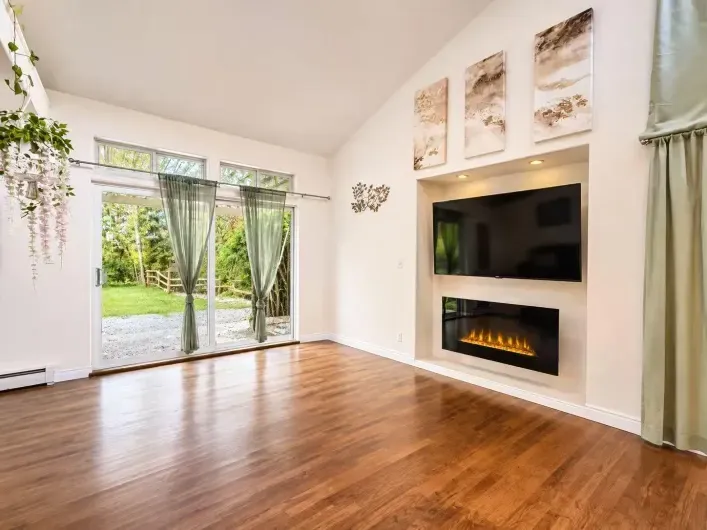
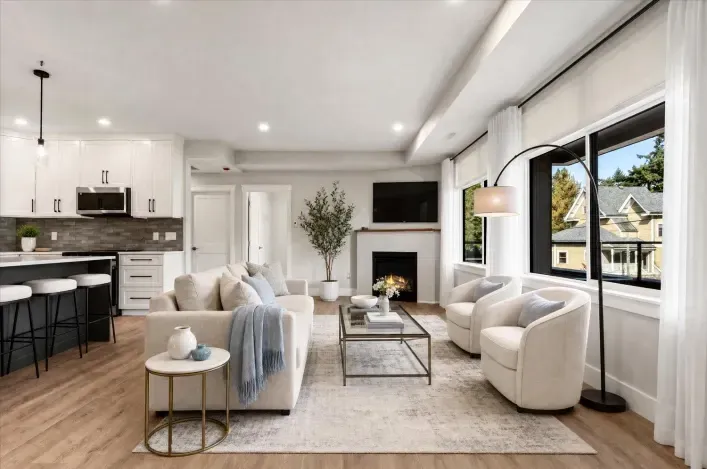
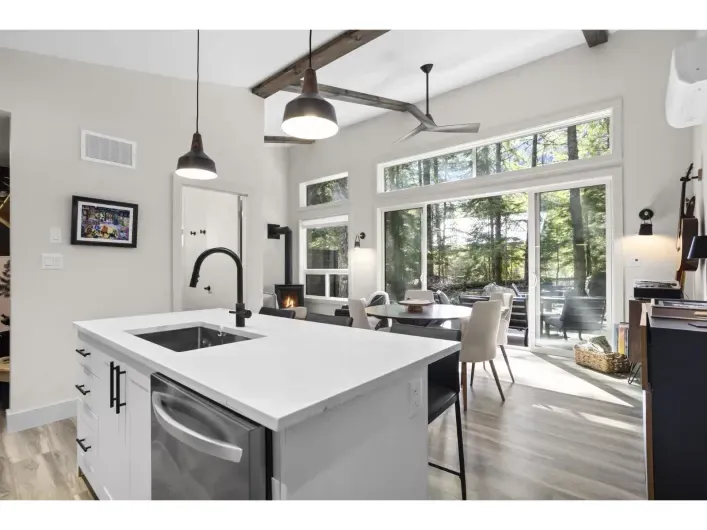
When browsing Hope real estate listings, use filters for price, bedrooms, bathrooms, lot size, parking and outdoor space to find homes that meet your everyday needs. Photos can show natural light, finishes and yard layout, while floor plans help you see how rooms connect, where furniture might fit and how you move between levels. Compare your shortlist with recent sales, asking-price changes and new listings to see which features are common in your price range and which are harder to find.
Neighbourhoods & amenities
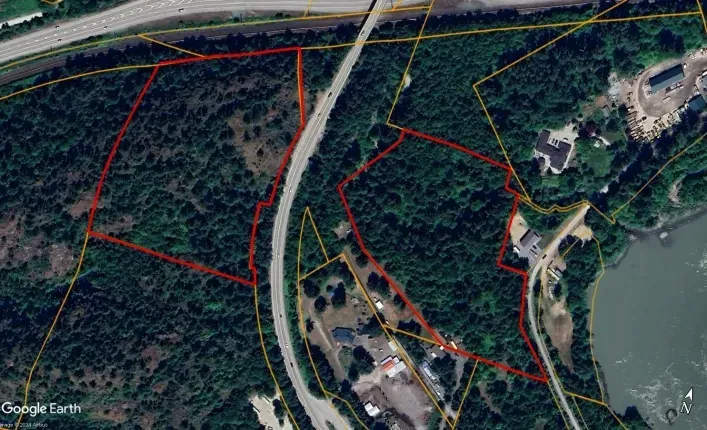
When comparing neighbourhoods in Hope, British Columbia, start with your daily routine. Proximity to schools, parks, shops and transit may matter most if you want to make fewer trips by car, while easy access to trails, green space or the Fraser River may be a priority if you spend more time outdoors. The route matters as much as the distance: sidewalks, slopes and crossings can make a walk more or less practical. For homes near waterways or on sloped lots, weigh drainage and site conditions alongside the appeal of the setting.
Hope City Guide
Hope sits at the eastern end of British Columbia's Fraser Valley, where the Coquihalla River meets the Fraser River and several major highways converge. It's both a stop between the coast and the Interior and a small town in its own right, with a walkable centre, lakeside residential areas and mountains close by. If you're looking to buy a house in Hope, this guide explains how the town grew, where residents work, how neighbourhoods differ and what to expect from seasonal travel and recreation.
History & Background
Stó:l? peoples have longstanding ties to this part of the Fraser Valley, and the Chawathil First Nation is based near Hope today. The Hudson's Bay Company established Fort Hope in the mid-nineteenth century, adding a trading post to a landscape with established Indigenous travel and trade routes. The Fraser River gold rush later brought more people through the area, while roads and railways strengthened Hope's role as a stop between the Lower Mainland and communities farther inland. Around the region you'll also find towns like Mission that share historical ties and amenities.
The terrain helps explain why transportation remains such a visible part of Hope's identity. The old railway route through the Coquihalla Canyon, best known for the Othello Tunnels, shows how difficult it was to build through the narrow gorge. A different side of the town's history is visible downtown, where chainsaw carvings in parks and along streets reflect a local craft tradition with links to the forest economy. Unlike the canyon, where access can change with trail conditions and repair work, the downtown carvings are easy to see as part of an ordinary walk through town.
Economy & Employment
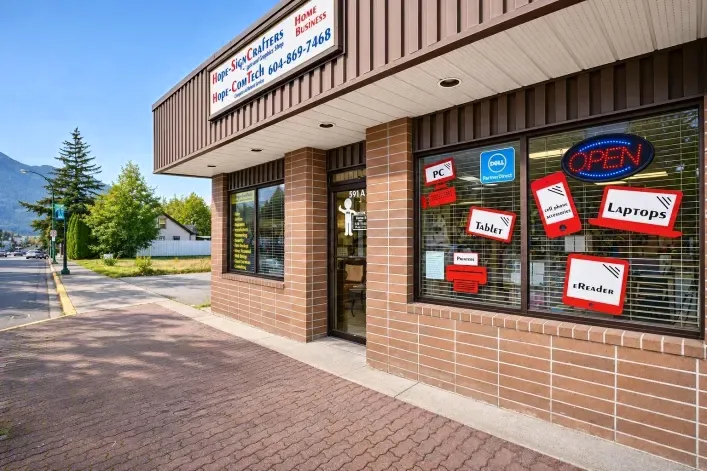
Hope's economy serves local households as well as people passing through. Restaurants, accommodation, fuel stations and vehicle services benefit from the highway junction, while grocery stores, trades and other small businesses meet everyday needs. Visitor spending supports some of those same businesses, particularly during the warmer months, when people stop for a meal or stay to explore the surrounding lakes and trails. A shop or café that looks geared to travellers from the highway may also be a regular stop for residents.
Health care, education and public services provide employment outside the visitor economy. Fraser Canyon Hospital, local schools and municipal services are part of that mix, alongside construction, transportation and forestry-related work in the wider area. The local job market is smaller than those farther west in the valley, so some households combine local employment with commuting or remote work. If you're considering a job outside Hope, check not just the distance to work but also whether the route is manageable in winter and at the times your shift starts and ends.
Neighbourhoods & Lifestyle
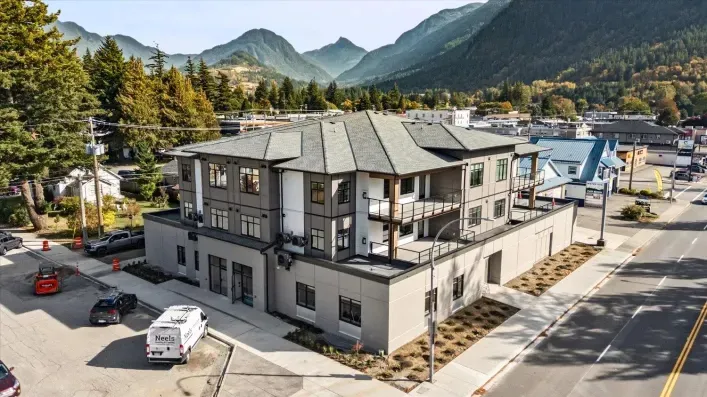
Hope's neighbourhoods differ more in setting and access to services than in sharply defined boundaries. In the compact town centre, detached houses and smaller multi-unit buildings are within reach of shops, cafés and Memorial Park. Living near the centre can make it possible to combine errands with a walk to the library or along the Fraser River. Silver Creek and the area around Kawkawa Lake, east of downtown, are more residential, and a car is often more practical for routine trips.
Kawkawa Lake is a summer gathering spot for swimming, paddling and picnics, while trails in the surrounding hills offer outings close to town. Near the centre, you can follow the chainsaw carvings, visit the museum when it's open or spend time at the recreation centre. To compare settings beyond Hope, look at nearby communities like Mt Woodside and Harrison Hot Springs. Within Hope itself, the trade-off is often between walking to daily services and living in a quieter setting near a lake or wooded hillside. Even on the same side of town, highway noise, sidewalk coverage and street grades can make one block feel quite different from the next.
Getting Around
Hope sits at the junction of the Trans-Canada Highway, the Coquihalla Highway and Highway 3. The Trans-Canada connects west toward Chilliwack and continues north through the Fraser Canyon; the Coquihalla heads toward Merritt, while Highway 3 leads toward Manning Park and Princeton. When planning commutes or day trips, consider routes to nearby communities such as Chilliwack and Yarrow. Summer traffic, roadwork and winter conditions on higher routes can all have a significant effect on travel times.
Walking works well for many errands downtown, where the main shopping streets and public spaces are close together. Cycling can also be practical for short trips, though highway crossings, traffic and gaps in cycling infrastructure matter more once you leave the centre. Regional bus service connects Hope and Chilliwack, but its schedule may not suit every work shift, appointment or evening trip. A vehicle is generally more useful for reaching outlying residential streets, trailheads and regional services, especially when a trip involves several stops.
Climate & Seasons
Hope has a wet cool season and generally warmer, drier summers. Spring can bring mild stretches between rainy days, with snow lingering higher in the mountains after conditions have improved on the valley floor. Summer is usually the easiest time for lake outings and longer hikes, although hot spells and occasional wildfire smoke can change what's comfortable outdoors. In autumn, rain becomes more frequent and daylight fades earlier, making shorter riverside walks a more dependable option than some higher-elevation outings.
Winter in town can alternate between rain, wet snow and colder spells. Conditions on the Coquihalla and other higher routes can be quite different from those in downtown Hope, even on the same day. A walk downtown may be straightforward while a trip inland calls for winter driving plans, so check conditions along the full route. The same change in elevation gives residents a choice of outdoor settings, from riverside walks to mountain trails, but the best option on any given day depends on weather, road conditions and seasonal access.
Market Trends
When comparing homes for sale in Hope, British Columbia, consider how location, condition and features affect asking prices. Recent sales of similar homes provide a useful benchmark for those prices.
The median sale price is the midpoint of the prices paid for homes that sold during a given period. It's useful for tracking Hope market trends, but it doesn't tell you what an individual home is worth.
Active Hope real estate listings show what's currently available, but the selection can change at any time as homes come onto or leave the market.
Local market statistics can help you interpret individual listings. A local real estate agent can explain how recent sales and differences between Hope neighbourhoods may affect the value of a particular property.
Buyers can browse detached houses, townhouses and condos for sale in Hope through the local MLS® board. Listing alerts can help them spot new properties as they come onto the market.
Nearby Cities
When browsing homes for sale in Hope, you can also compare real estate listings in Mt Woodside, Harrison Hot Springs, and Chilliwack.
Demographics
Families, retirees and working professionals all call Hope home. The town centre has a small-town feel, while the outlying areas are more rural.
Hope's housing options include detached houses, condos and rentals. Buyers can compare homes near shops and services with properties farther out in quieter settings.