


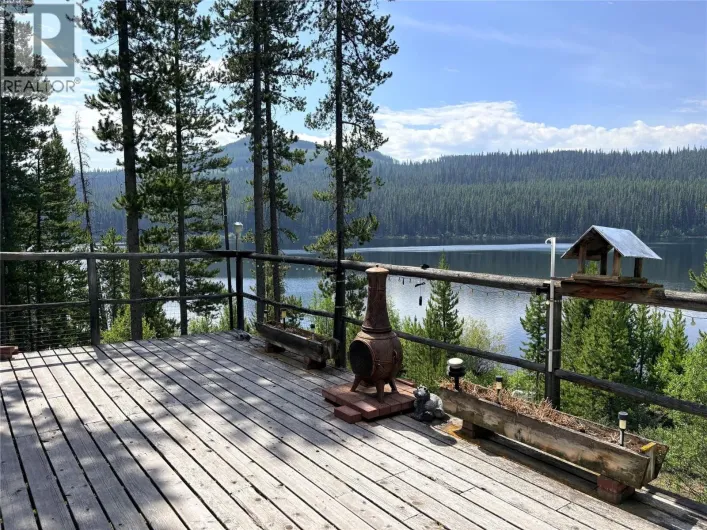


Home Prices in Out Of Area
When comparing Out of Area real estate in British Columbia, start with the community and property behind each listing. The label can group homes in different locations, so compare asking prices with those of similar properties in the same local market. A detached house on a larger lot may suit buyers who need outdoor space, while a condo near everyday services may mean shorter trips and less exterior maintenance. A useful comparison weighs those benefits against the ongoing costs of owning each home.
Matching listings: 2
Average asking price by property type
- Houses
- 1 listing
- $699,900
The number of homes for sale, the mix of property types and time on market all help put asking prices in context. If a home has been listed for longer than comparable properties, review its condition, price history and recent comparable sales. Time on market alone does not establish value. Buyers can use recent sales to assess whether a price is in line with similar homes. Sellers can compare those sales with active listings to see what else buyers can get at a similar price.
Explore Out Of Area MLS® Listings by Property Type and Location
To compare Out of Area real estate listings, start with the municipality or community named in each listing, then narrow your search to homes with similar features. Detached houses may differ in lot usability, access and upkeep even when their layouts are comparable. For townhouses and condos, check which spaces are private and which are shared. Where strata ownership applies, fees, bylaws and repair responsibilities can explain why homes with similar asking prices have different ongoing costs.
When browsing Out of Area homes for sale, use filters for price, bedrooms, bathrooms, lot size, parking and outdoor space to find properties that meet your everyday needs. Photos can show finishes and natural light, while floor plans clarify bedroom placement, storage and how rooms connect. Reviewing both can reveal trade-offs, such as a generous living area with limited storage or outdoor space that is harder to reach than it looks in photos. Check recent sales, new listings and price changes in the same community before deciding which homes to shortlist.
Neighbourhoods & amenities
The neighbourhoods around Out of Area listings can range from walkable streets near shops and services to lower-density areas where most errands require a drive. Check access to schools, parks and transit for daily routines, or to trails, green space and the waterfront if those amenities matter to you. Actual travel routes, transit schedules and school catchments often tell you more than distance on a map. These details help explain why similar homes appeal to different buyers: a quiet setting may offer privacy, while a well-connected location may suit someone with a regular commute.
Out Of Area City Guide
In British Columbia real estate, “Out of Area” is a listing label, not the name of a municipality. It does not identify the property's community or tell you how far away essential services are. The B.C. Interior communities linked below offer regional context. Once you have a property's address, you can check local housing, employment, road access and seasonal conditions.
History & Background
Because the label does not identify a town, focus on the history of the land and community around the property's address. The southern and central Interior encompass the territories of distinct Indigenous Nations whose ties to these places are longstanding and ongoing. Later settlement took different forms: ranching shaped some valleys, while mining, forestry and railways supported growth elsewhere. Communities such as Kamloops are part of that broader regional history. That does not mean every Out of Area property is located near Kamloops.
Local history can help explain what you see on a map or during a visit. A compact main street near a railway may reflect a different pattern of development from a row of cottages along a lake road. Older rural properties may sit outside municipal boundaries even when their mailing addresses use the nearby town's name. Confirm the municipality or regional district to understand who oversees local planning and services and how the area developed.
Economy & Employment
Employment prospects depend on whether the home is near a regional centre, a smaller town or a largely residential recreation area. Larger centres tend to offer more jobs in health care, education, retail, construction and public services. In smaller communities, the mix may include agriculture, forestry, mining, trades and tourism. Some jobs depend on a particular worksite or season, so check which employers are within a realistic commute rather than relying on a broad overview of the Interior economy.
If you work from home or split your time between home and a workplace, internet service and road reliability matter as much as distance. Broadband availability can vary from one road to the next, and indoor mobile coverage may differ from what you get on the highway. Confirm which providers serve the address and whether their plans meet your work needs. If more than one household member commutes, check both routes, including early shifts, evening travel and winter driving.
Neighbourhoods & Lifestyle
When you browse Out of Area houses for sale, use the address to see whether the home is in an established town centre, a low-density residential area, farmland or a lakeside cluster of homes. In town, detached houses may be within walking distance of shops, a park or a community hall. Farther out, larger lots may rely on a private well, septic system or shared road. A seasonal cabin can look like a year-round home in photos, so check heating, water supply and winter access separately.
If you're considering an Interior property in this part of British Columbia, visits to communities such as Loon Lake and Ashcroft can help you compare a lakeside setting with small-town living. Whether either community is nearby depends on the property's address and the road route. Along with looking for places to paddle, walk or visit a local market, consider how often you would need to travel for groceries, school, recreation programs and health appointments. A home that's convenient for weekends may be less practical for daily life.
Getting Around
In a compact town, walking may be practical for short errands, and some regional centres have scheduled transit. At rural addresses, transit may be limited or unavailable. Narrow highway shoulders and gaps in sidewalks can also make walking or cycling less practical for daily trips. Use communities such as Mclure and Green Lake as regional reference points rather than assuming either is a commuting destination. Check which services are available and how the road network connects each community to the property.
For a driving commute, map the full route from the driveway rather than relying on straight-line distance or the nearest town name. A gravel approach, steep grade or busy highway junction can affect the trip, especially after dark or in poor weather. Confirm whether the final stretch is publicly maintained or privately managed, who clears snow and where to find fuel and repair services. If you share a vehicle, check whether school transport or other local options cover regular trips.
Climate & Seasons
Weather in the B.C. Interior varies with elevation, valley exposure and proximity to water. Lower valleys can have hot, dry spells in summer, while higher roads and shaded sites may hold snow or ice longer. Summer can be a good time for lake outings and trail walks, though wildfire smoke or local restrictions may affect plans. In spring, melting snow and wet ground can soften unpaved roads and reveal drainage problems you might miss on a dry-weather visit.
If you plan to live there year-round, check how the home and its access road hold up in different seasons. Shade can make a deck pleasant in summer but keep a driveway icy in winter. An exposed lot may need more attention to cooling and water use. At a lake property, check shoreline access and any seasonal water systems. The property's location, elevation and condition tell you more about seasonal comfort than the “Out of Area” label does.
Market Trends
Out of Area market trends are best assessed by community and property type. In British Columbia, recent sales of similar homes near the listing can offer more useful context than a broad regional summary.
The median sale price is the middle value when sales from a given period are ordered by price. For an Out of Area listing, the median for similar homes in the surrounding community may be a more useful benchmark than a regional figure.
Current Out of Area listing counts by property type aren't provided here, so availability for detached homes, townhouses and condos can’t be summarized.
Local market statistics can help you compare recent sales with current asking prices. A local real estate agent can explain which figures are relevant when community boundaries or differences between properties make comparisons difficult.
To find Out of Area condos for sale, as well as townhouses and detached homes, check MLS® listings for the property's community. Set up alerts for new listings that meet your criteria.
Nearby Cities
For regional context when browsing Out of Area homes for sale, compare listings in Loon Lake, Ashcroft, McLure, Green Lake, and Kamloops. Check the property’s address to see which communities are nearby.
Demographics
“Out of Area” does not identify a specific British Columbia community. To understand the local mix of families, retirees and working professionals, look at demographic information for the property's actual location.
Housing options vary by community and may include detached homes, condos and rentals. An urban neighbourhood may have shops and services within walking distance, while a suburban or rural address may require more driving for everyday errands.