
































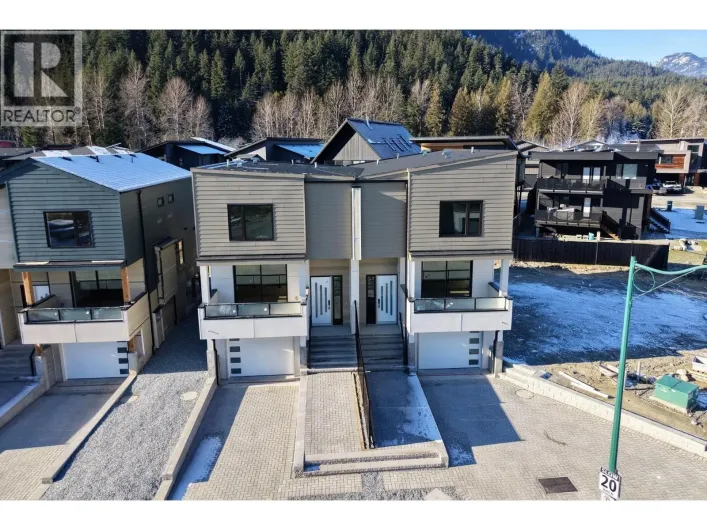


Home Prices in Pemberton
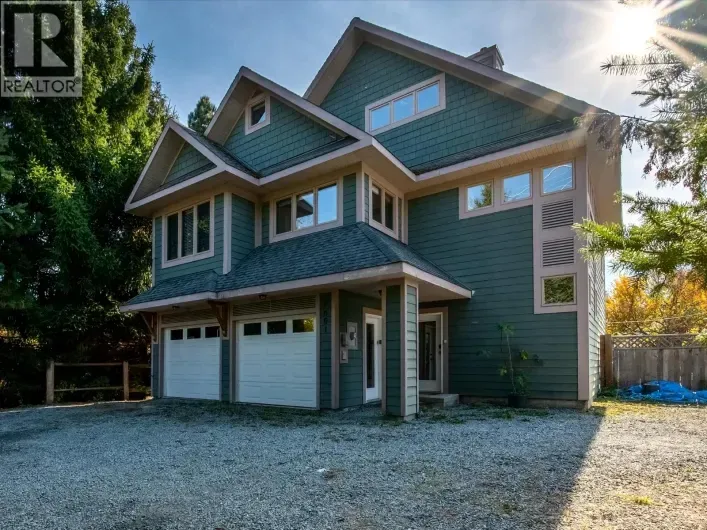
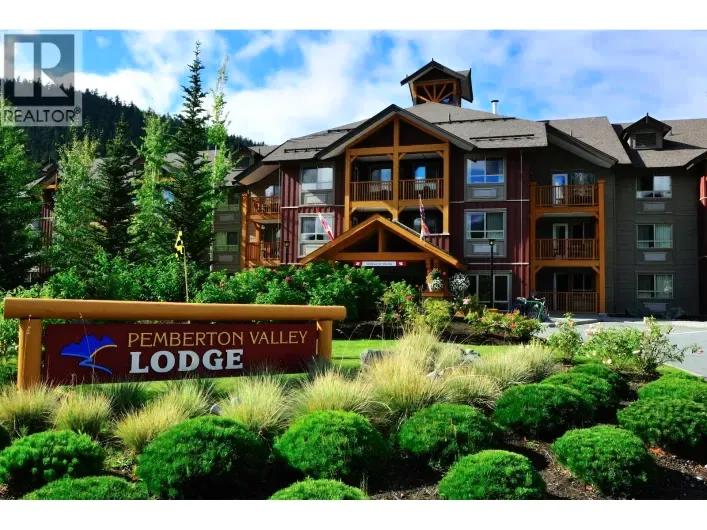
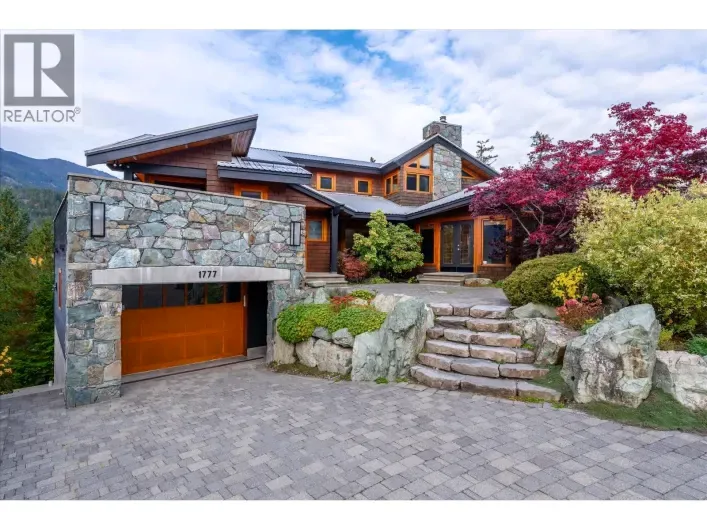
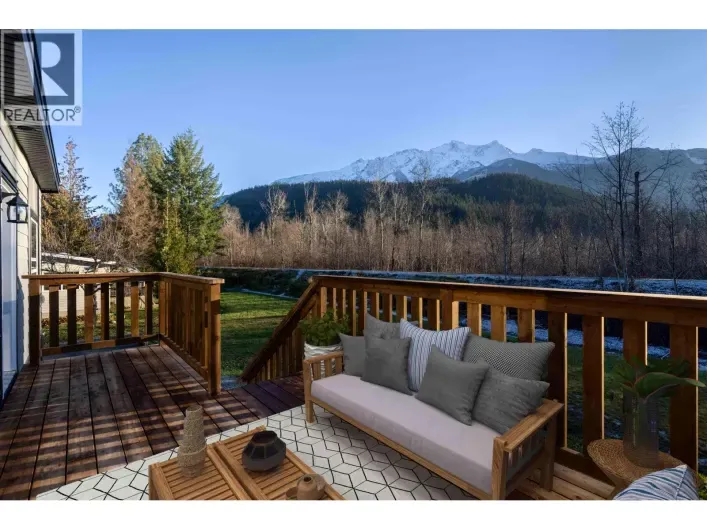
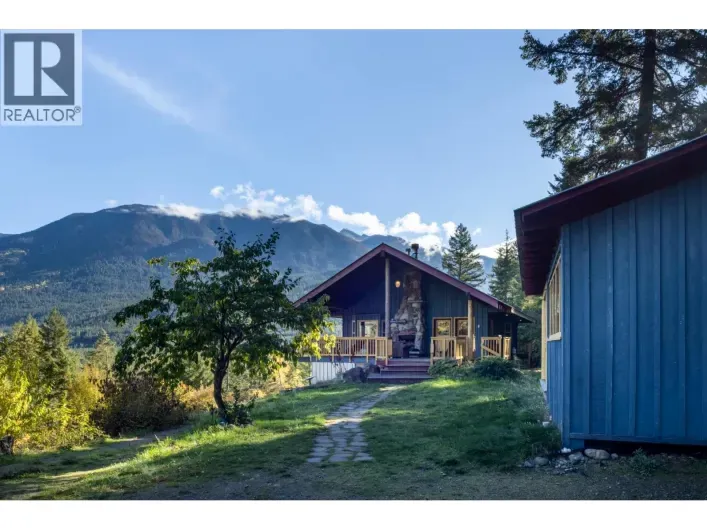
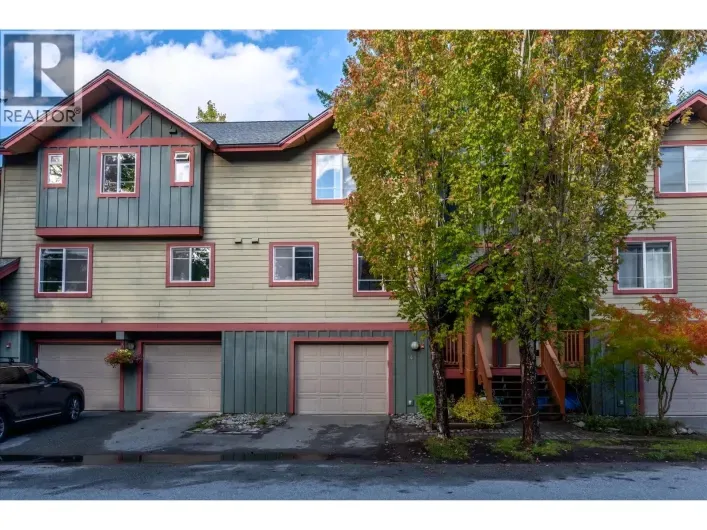
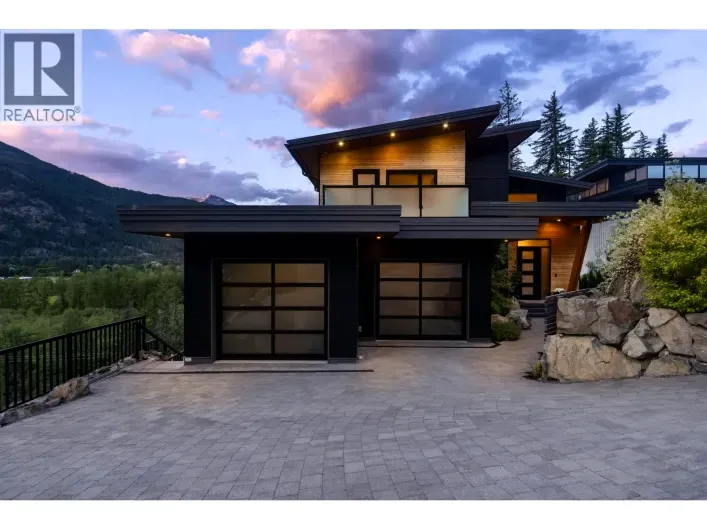
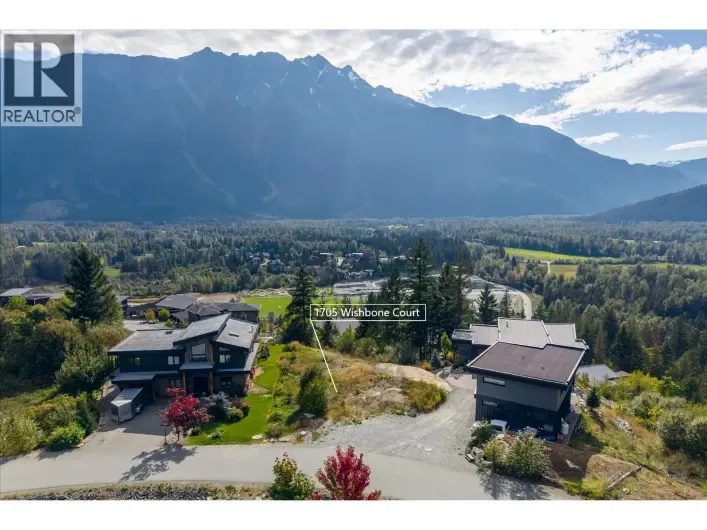
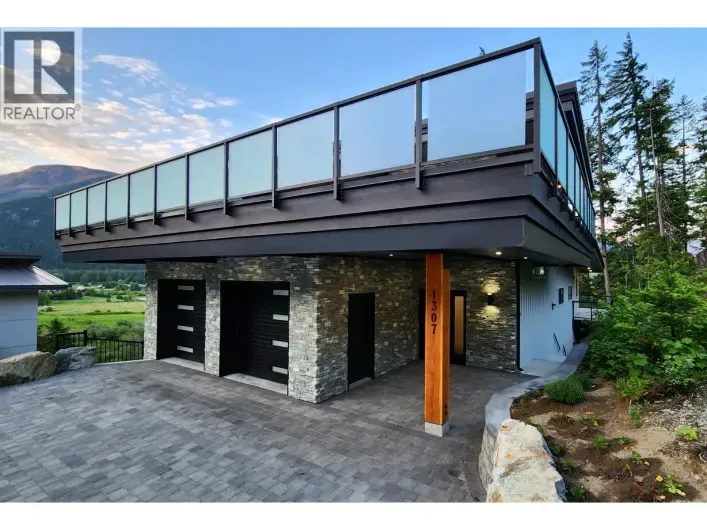
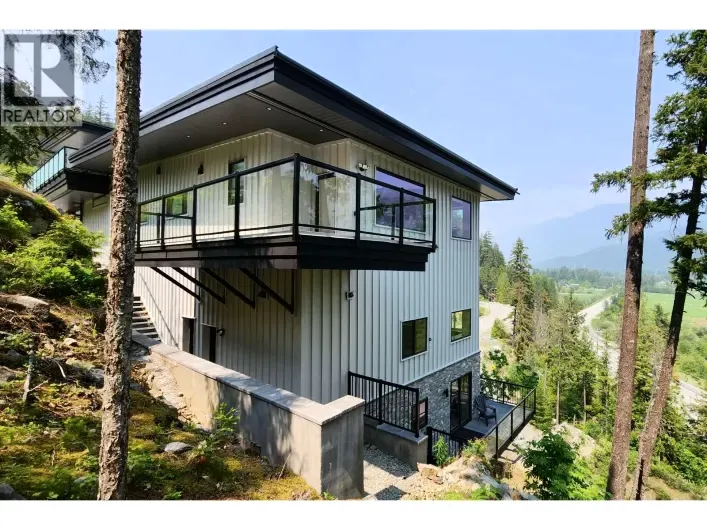
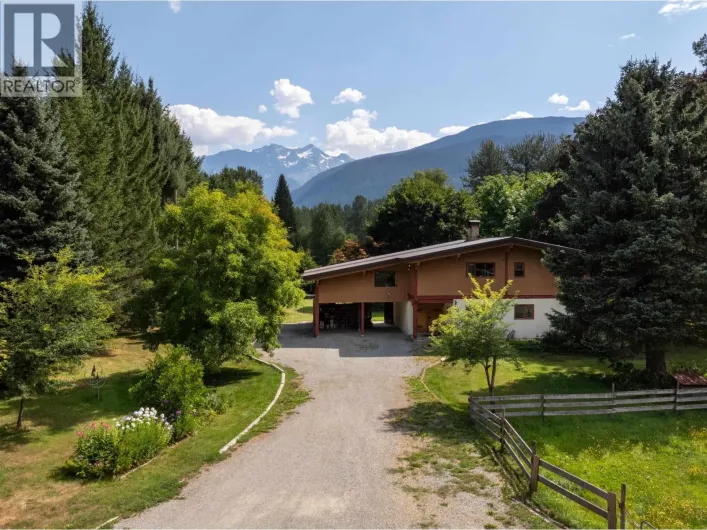
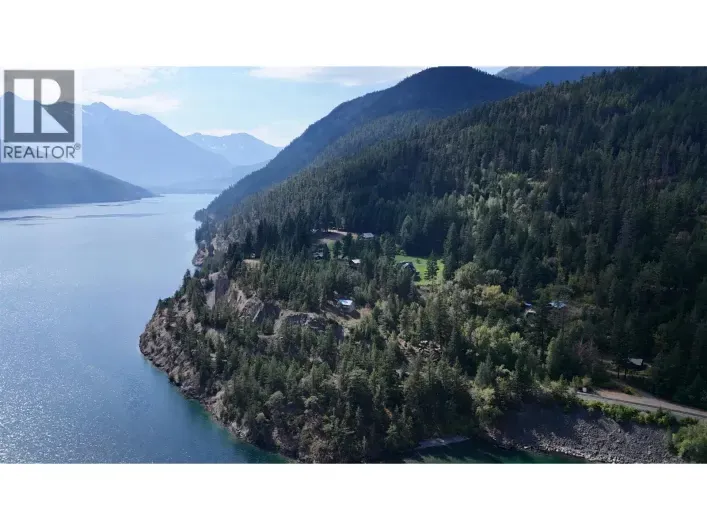
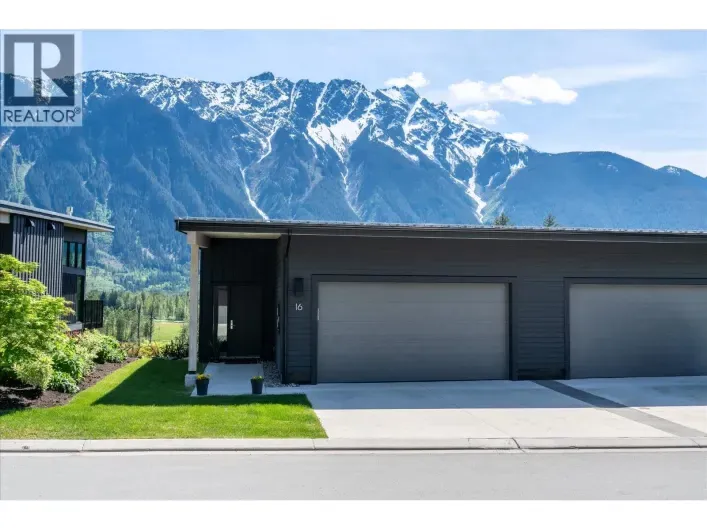
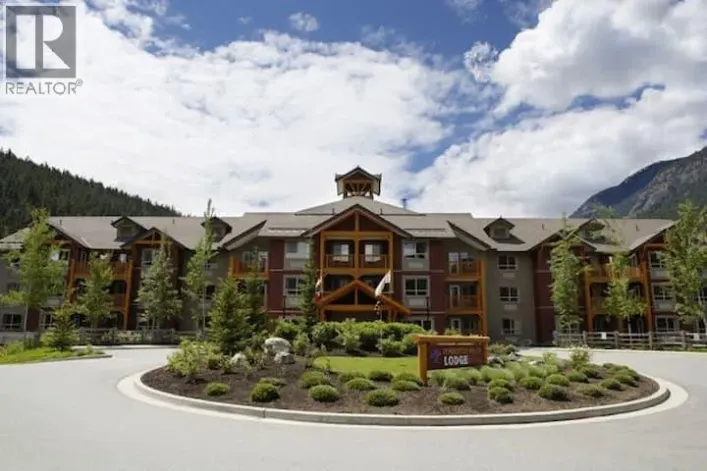
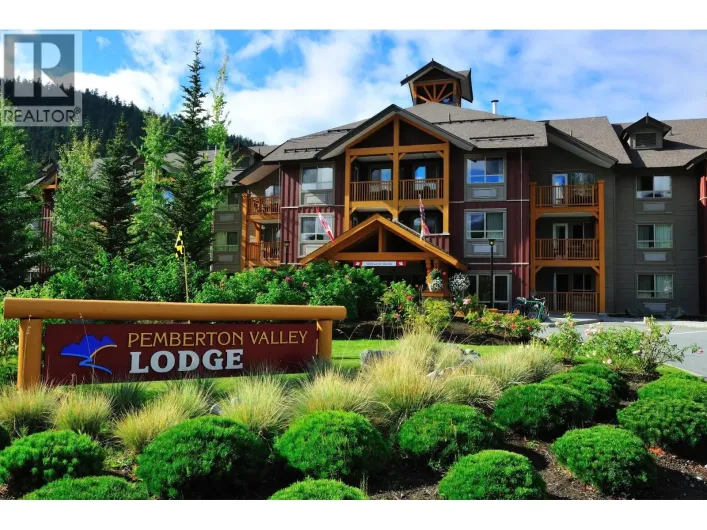
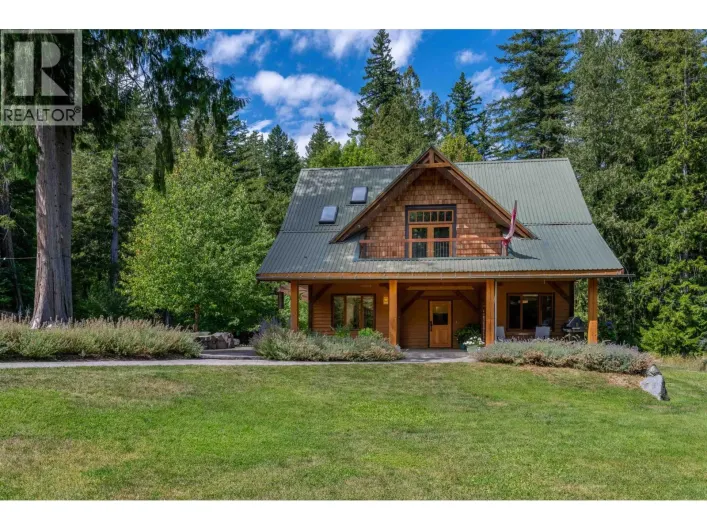
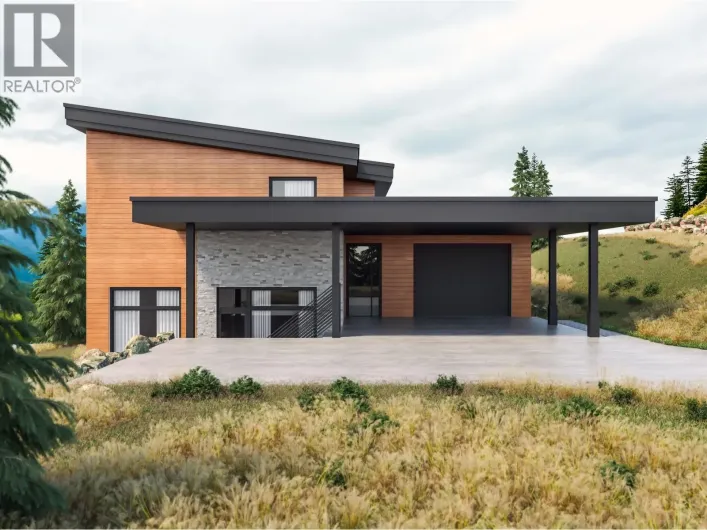
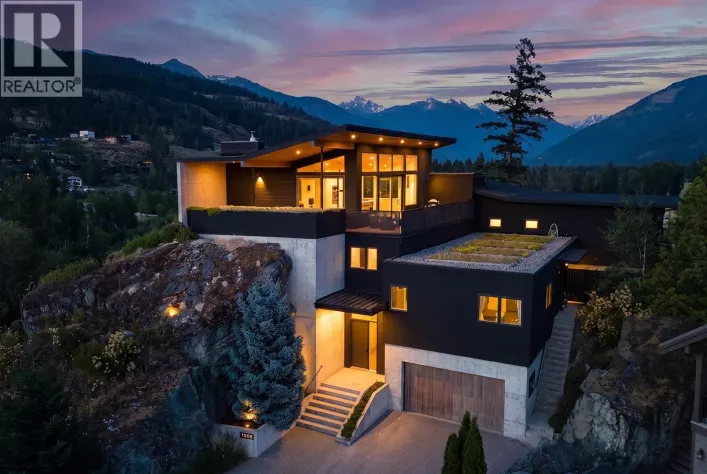
Pemberton real estate includes detached houses, townhouses and condos, from village streets to rural properties in the valley. Home prices reflect those differences: a detached house with a larger lot and room for equipment meets different needs than a townhouse with shared exterior maintenance or a condo near shops and services. Comparing homes of the same type in similar locations gives buyers and sellers a clearer sense of how an asking price fits the local market.
Matching listings: 80
Average asking price by property type
- Houses
- 23 listings
- $2,469,609
- Townhomes
- 4 listings
- $868,750
- Apartments
- 13 listings
- $443,177
When assessing Pemberton market trends, buyers and sellers look at available homes, recent sales and how long comparable properties stay on the market. The mix of homes for sale also matters. If more large detached houses are listed, for example, asking prices across all listings can shift even if prices for similar homes haven’t changed. Recent sales offer a better benchmark when the homes are similar in features, condition and location. A price reduction or a longer listing period can add context, but neither alone establishes what a property is worth.
From Village Condos to Valley Homes: Pemberton MLS® Listings
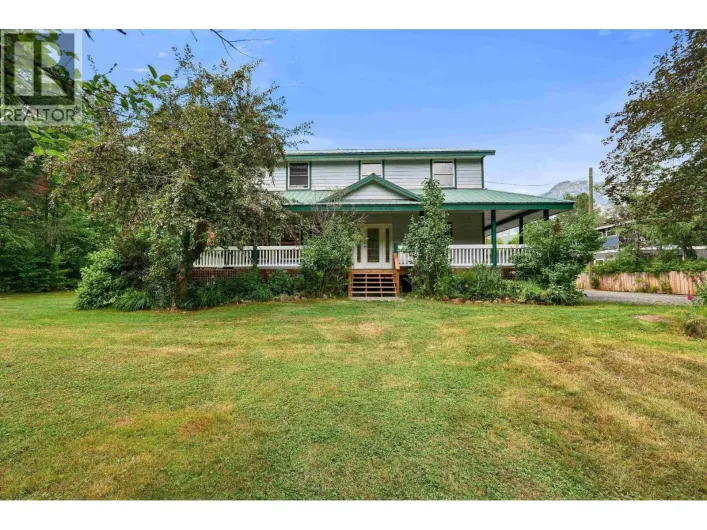
When comparing houses for sale in Pemberton, usable outdoor space can matter more than lot size on paper. Driveway access, grading and room for storage all affect how well a property meets everyday needs. For condos and townhouses, compare privacy, parking, storage and which maintenance costs the strata shares. A home close to village services may make daily errands easier, while a property farther into the valley may offer more space in exchange for more driving.
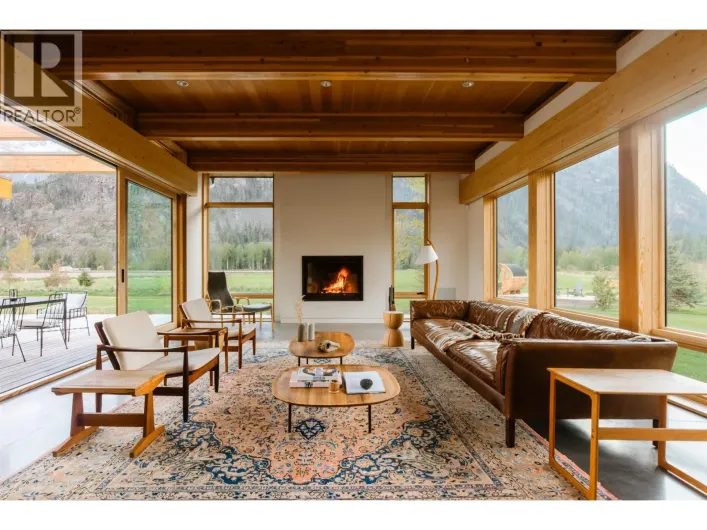
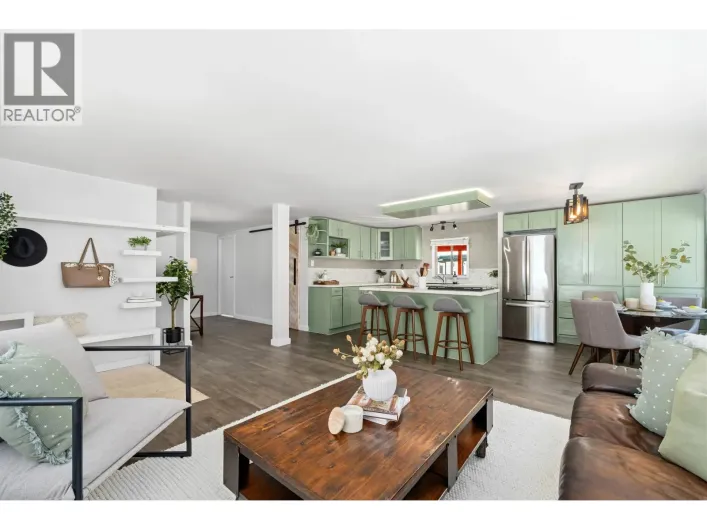
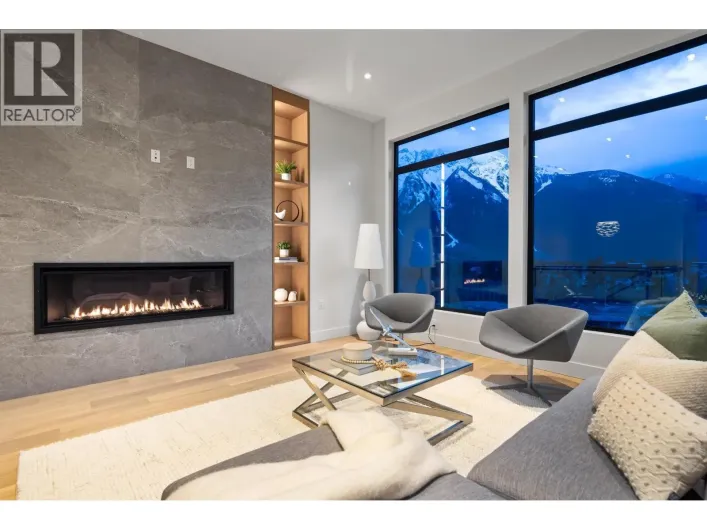
Use filters for price, bedrooms, bathrooms, lot size, parking and outdoor space to narrow Pemberton real estate listings to homes that meet your needs. Photos can show finishes and visible condition, while floor plans clarify room sizes, storage and how living areas connect. If you need a quiet workspace or room to store bikes and skis, layout can matter more than bedroom count alone. Compare shortlisted homes with recent sales and active listings of a similar type to put asking prices and features in context.
Neighbourhoods & amenities
When comparing Pemberton neighbourhoods, consider how access to schools, parks, shops and transit fits your household’s routine. Village locations may make it easier to walk to errands or activities, while quieter valley roads may appeal to buyers who value privacy, open space or access to trails. The route matters as much as the distance: sidewalks, road conditions and winter maintenance can affect how convenient a trip is year-round. These details help explain why homes with similar floor plans can appeal to different buyers, even within the same area.
Pemberton City Guide
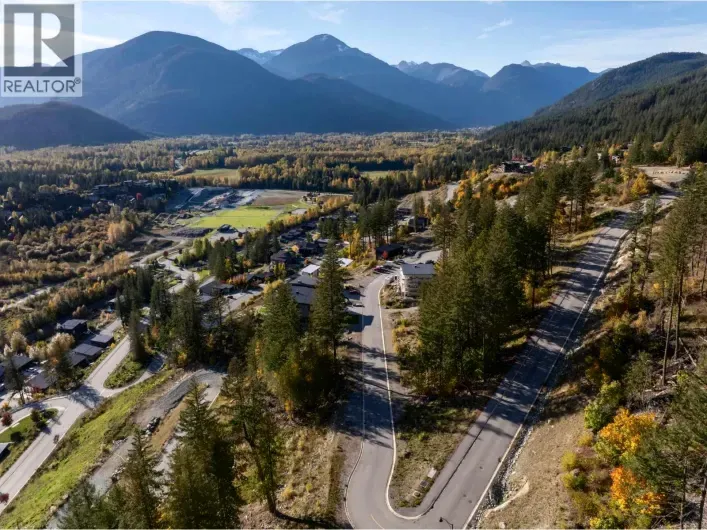
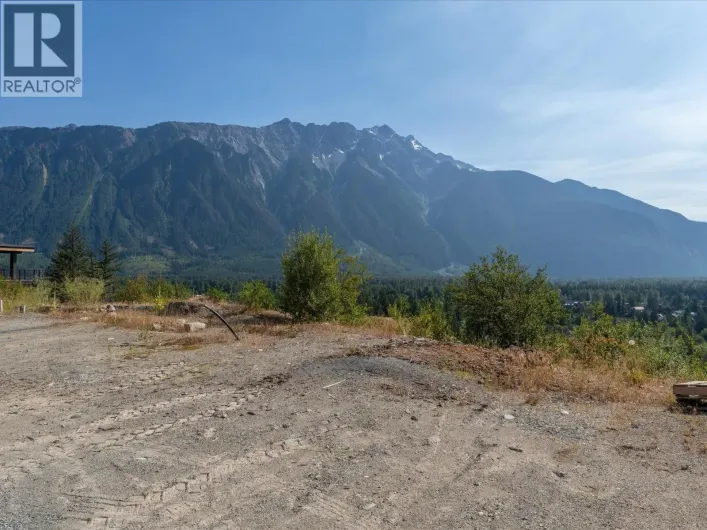
Pemberton is a village in British Columbia's Sea-to-Sky region, north of Whistler, where a compact centre gives way to farmland beneath Mount Currie. If you’re looking at homes for sale in Pemberton, it helps to know how the valley developed, where people work and how the seasons and your distance from the village can shape everything from the morning commute to an afternoon on the trails.
History & Background
Pemberton is on the traditional territory of the Líl?wat Nation, whose ties to the valley long predate the village. The Nation is based in neighbouring Mount Currie and remains an active part of the region's civic and economic life. For much of the valley's later settlement history, people travelled along routes that combined waterways and overland trails. Rail service made it easier to move goods out of the valley, and improved roads eventually made travel to other Sea-to-Sky communities more practical.
Farming took hold on the broad valley floor, and Pemberton became particularly well known for growing seed potatoes. Fields and farm roads still give the approaches to the village a different character from the resort landscape farther south. Other mountain communities in the region, including Gold Bridge, developed around different industries. Gold Bridge grew around mining rather than agriculture, a contrast that helps explain the distinct histories of communities in the surrounding mountains.
Economy & Employment
Agriculture remains part of Pemberton's economy, from seed potato production to smaller farms that sell produce locally. Construction, trades, retail and food service offer other types of work, alongside public and community services such as education and health care. The village serves people from the surrounding valley as well as its own residents, so its shops and services support a wider area than its compact centre might suggest.
Whistler's larger job market is important to Pemberton residents. Some commute south for work in hospitality, recreation, construction or professional services, while others work in the village or elsewhere in the valley. Tourism and farm work can follow seasonal schedules. When weighing where to live, consider how those hours affect daily travel: a year-round job in the village can mean a different routine from an early resort shift that starts before a convenient bus departure.
Neighbourhoods & Lifestyle
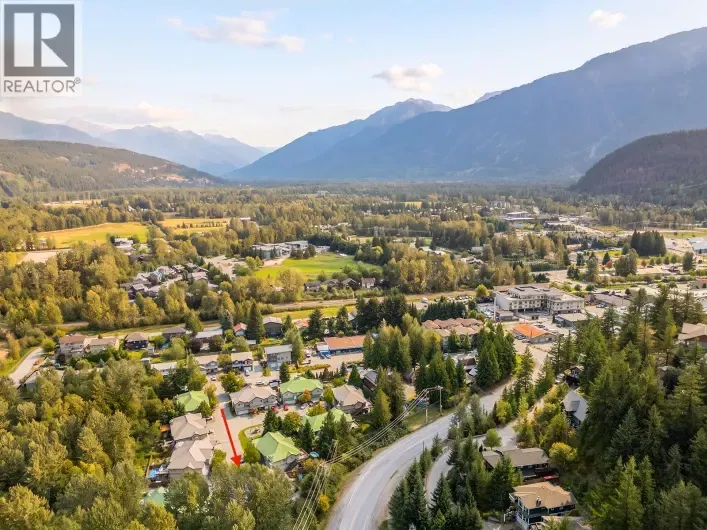
When comparing Pemberton neighbourhoods, start by distinguishing the village from the wider valley. Near the centre, apartments, townhouses and detached houses sit within reach of shops, cafés and community facilities. Farther out, homes are more spread out and may have larger lots or border working farmland. To broaden your real estate search beyond the village, explore Mount Currie or browse listings across Bc. Mount Currie is a distinct neighbouring community, not a subdivision of Pemberton, and some valley addresses fall outside the village boundary.
In Pemberton, you can fit time outdoors into an ordinary day without setting aside a whole weekend. The One Mile Lake area offers a boardwalk and connections to nearby trails, while the Pemberton and District Community Centre and public library provide places to spend time indoors. Summer farm stands reflect the valley's agricultural roots, and local trails draw walkers and mountain bikers. For homes outside the centre, more space often means longer trips to school, groceries or recreation. Some low-lying areas are exposed to flooding, so check the risk for the specific property rather than generalizing across the valley.
Getting Around
Highway 99 is the main route into and out of Pemberton. It runs south to Whistler and continues east from the Mount Currie area to Lillooet via the Duffey Lake Road. Regional buses connect Pemberton and Whistler, but it’s worth checking whether departures fit your work or school hours. If you're comparing travel options, Whistler and Bralorne serve very different purposes. Whistler is a regular commuting destination, while Bralorne is a more remote trip that calls for advance planning around road and weather conditions.
Within the village, walking or cycling can be practical for errands, especially when home, work and shops are near the centre. Farther out, trips are longer, and some roads have limited shoulders or no sidewalks. A trail that’s pleasant for an afternoon ride may not be a practical route for an early shift or a winter errand. For households outside the village, having access to a vehicle can make a difference when bus times don’t line up with work, school or appointments.
Climate & Seasons
Pemberton's inland valley setting brings warm summer days and winters with frost, snow and cold spells. Conditions can vary between the valley floor and surrounding mountains on the same day: a path near the village may be clear while higher trails still hold snow. In summer, people head to lakes and trails for paddling, walking and mountain biking, though heat or wildfire smoke can change plans. Autumn often brings cooler mornings, fall colour and the end of the growing season.
Winter conditions matter for errands and commuting as much as for recreation. Roads and paths can be icy with little fresh snow, and higher routes can be more difficult to travel than roads in the village. Longer spring days don’t mean every trail is ready to use: low-lying paths can be wet, and snowmelt can raise river levels. A sheltered walk near town and a trip into the mountains can therefore call for very different plans.
Market Trends
To understand Pemberton market trends, compare recent sales with active listings. Sales show what buyers have paid in this British Columbia market, while active listings show what’s available now.
The median sale price is the midpoint of the prices of homes sold during a given period, ordered from lowest to highest. It’s a starting point for understanding what buyers have paid in Pemberton.
Availability changes as homes are listed or sold, so check active Pemberton real estate listings for the latest view of what’s on the market.
Local market statistics can put asking prices in context. A local real estate agent can help you compare homes based on their location, condition and features.
Browse Pemberton MLS® listings for detached houses, townhouses and condos for sale. Listing alerts can help you spot new properties that match your search as they come onto the market.
Nearby Cities
If you’re browsing homes for sale in Pemberton, you can also compare real estate listings in Mount Currie, Whistler, Bralorne, and Gold Bridge.
Demographics
Pemberton is home to families, retirees and working professionals. The village has a small-town feel, while farmland and mountain scenery shape daily life in the more rural parts of the valley.
Housing options include detached homes, condos and rentals. If you plan to buy a house in Pemberton, compare village locations close to amenities with more rural properties farther out.