












Home Prices in Aylmer
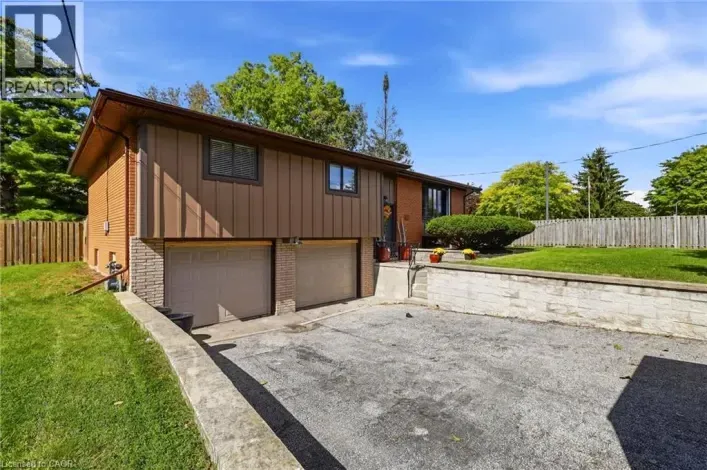
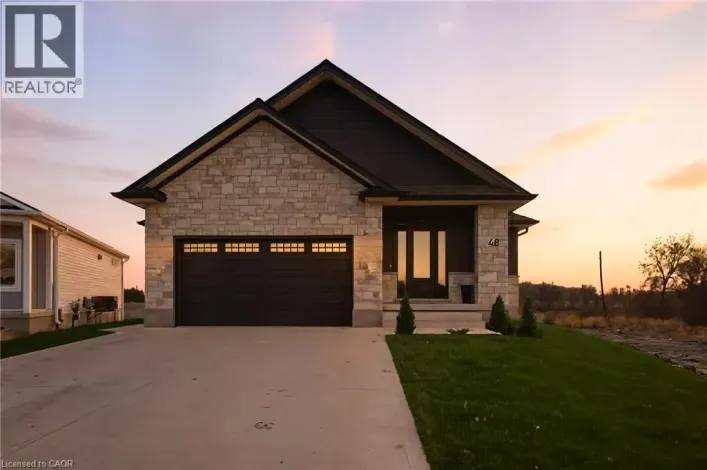
To understand home prices in the Aylmer real estate market, start by comparing properties with similar features and locations. A detached home on an established street may appeal to buyers who want a private yard, while a townhouse with less exterior upkeep may suit those who prefer a simpler maintenance routine. Asking prices reflect differences in condition, usable space, lot layout and location. Recent sales of comparable homes offer a better benchmark for what buyers have been willing to pay.
Matching listings: 45
Average asking price by property type
- Houses
- 33 listings
- $635,864
- Townhomes
- 2 listings
- $422,450
- Apartments
- 2 listings
- $269,450
Buyers and sellers can get a clearer picture of Aylmer market trends by looking at the balance between available homes and buyer demand. The mix of properties matters: a shift toward larger or recently renovated homes can push asking prices higher without indicating that comparable homes have gained value. Time on market adds context, especially when similar properties sell at different speeds. A longer listing period can reflect pricing, condition or a layout that appeals to fewer buyers.
Aylmer MLS® Listings: Compare Homes by Style and Location
When comparing houses for sale in Aylmer, consider how you would use each property. A home with a deep lot may offer more room for gardening or play, while a smaller property closer to shops and services may mean less driving for everyday errands. If you're looking at townhouses or condos for sale in Aylmer, check which maintenance tasks are your responsibility and whether fees or rules affect parking, outdoor space or planned improvements. Comparing nearby streets as well as property types can reveal differences in traffic, privacy and convenience that aren't obvious from the asking price.
Use filters for price range, bedrooms, bathrooms, lot size, parking and outdoor space to narrow Aylmer real estate listings to homes that meet your requirements. Photos can show finishes, natural light and visible wear, while floor plans can clarify room dimensions, storage and how spaces connect. Once you have a shortlist, look at recent sales and changes to comparable listings to put each asking price in context. Account for differences such as a finished basement, a garage or updates that could reduce near-term maintenance costs.
Neighbourhoods & amenities
When comparing homes for sale in Aylmer, consider how you would balance access to everyday amenities with space and privacy. Homes nearer the town centre may suit buyers who prefer shorter trips to shops and services, while properties toward the edge of town may appeal to those who prioritize yard space or a quieter setting. Proximity to schools, parks and green space can shape a household's routine, but the route matters as much as the distance on a map. Sidewalks, crossings and traffic at different times of day can make otherwise similar addresses feel quite different.
Aylmer City Guide
Aylmer is an Elgin County town in southwestern Ontario, set among farms east of St. Thomas and inland from Lake Erie. Its compact downtown serves town residents and the surrounding countryside, while larger employment and shopping centres are within driving distance. If you're thinking about buying a home in Aylmer, this guide covers the town's history, housing, everyday travel and seasonal routines to help you get a feel for life here.
History & Background
Aylmer grew as a service and trading centre for the farms of eastern Elgin County. Known early on as Troy, the settlement later took the name Aylmer. Its location on Talbot Street helped local businesses reach customers and suppliers in surrounding communities. Other communities in the region include Talbotville, part of the broader Elgin County area. The network of small towns and rural roads still shapes how people travel for work, services and recreation.
The town's history is especially visible near Talbot and John streets, where traditional storefronts sit close to established residential blocks. The Old Town Hall remains part of community life: the historic civic building now hosts theatre and other performances. Much of the older streetscape is woven into the downtown that residents use for everyday errands rather than set apart for visitors.
Economy & Employment
Agriculture is central to the economy around Aylmer, though much of the farm work takes place outside town. That connection is reflected in jobs in food processing, equipment service, transportation and the trades, alongside other manufacturing and industrial work. Retailers, restaurants and professional services serve customers from both Aylmer and neighbouring rural areas. Schools, health services and municipal operations provide jobs that are less directly tied to the farm economy.
Some residents work in town or elsewhere in eastern Elgin County, while others commute toward St. Thomas or London for a broader range of jobs. That difference matters when comparing homes in Aylmer: an address near downtown may make errands easier on foot, but you'd still need to consider how to reach a rural worksite or industrial area. Shift hours and winter driving conditions can make a route feel quite different from the same trip at midday.
Neighbourhoods & Lifestyle
Aylmer's neighbourhoods are easier to compare by their distance from downtown than by sharply defined district names. Older streets near the centre have detached houses, established trees and some apartments close to shops and services. Farther out, residential streets include newer detached homes and areas that transition into open countryside. Buyers can also compare properties in nearby Malahide and St. Thomas. Practical differences between an in-town home and a nearby rural property can include municipal services, sidewalk access and the length of routine drives.
One appeal of living in Aylmer is having everyday destinations close together. Downtown shops and eateries, the library, community facilities and parks offer places to stop without planning a full outing. The East Elgin Community Complex serves Aylmer and the surrounding area with arenas and community programming. Beyond town streets and local parks, nearby Springwater Conservation Area offers woodland trails and a change of scenery without a long drive.
Getting Around
Talbot Street, which carries Highway 3 through town, is Aylmer's main east-west route. John Street is the central north-south connection. The compact town centre makes many short trips practical on foot, especially when you can combine several stops downtown. Cycling can work well on quieter residential streets, while busier corridors and rural roads call for more care because traffic can move faster and shoulders vary.
A car is generally the most practical option for regular travel outside Aylmer. Nearby destinations for day trips include Bayham and Port Burwell. St. Thomas is a useful reference point for regional shopping and services, while London offers a wider range of specialized appointments and employment. Public transportation options are limited compared with those in a larger city. If you plan to rely on transit, check current service and schedules for the specific routes you would take.
Climate & Seasons
Aylmer has warm, often humid summers, and longer evenings are well suited to walks around town or trips south to the Lake Erie shore. Spring brings both mild and wet days, and unpaved trails can stay muddy after rain. It's also a good time for birdwatching: the Aylmer Wildlife Management Area is known for attracting migrating tundra swans, though the timing and size of the flocks vary with weather and migration conditions.
Autumn typically brings cooler nights, changing leaves and harvest activity on rural roads. Winter brings stretches of snow, ice and freezing temperatures, sometimes interrupted by thaws. Open roads outside Aylmer can be more exposed to wind and blowing snow than sheltered streets near the centre, so conditions can vary even on a short trip. Indoor recreation and performances at the Old Town Hall offer alternatives when paths are icy or the weather makes an out-of-town drive less appealing.
Market Trends
To follow Aylmer real estate market trends, look at both recent sale prices and active listings. Sale prices show what buyers have paid, while active listings show what's available now.
The median sale price is the midpoint of sale prices for homes sold during a given period. It's a useful market benchmark, not an estimate of what a particular Aylmer home is worth.
This summary does not include current listing counts, so it does not show how Aylmer's housing inventory is split by property type.
Local market statistics help put asking prices in context. An Aylmer real estate agent can explain how recent comparable sales relate to a particular home or neighbourhood.
Browse Aylmer MLS® listings for available detached homes, townhouses and condos, and use listing alerts to find out when new properties that match your search come on the market.
Neighbourhoods
Picture an ordinary evening after you move: there's an errand to run, dinner to start and maybe time for a walk. Which address would make that evening easier? In Aylmer, Ontario, that question can help you narrow your search for a home. Use the KeyHomes.ca map view to see how listings relate to the places you expect to visit, then try those routes when you go to showings.
To get a sense of an Aylmer neighbourhood, look beyond the front door. An entrance close to the sidewalk may feel connected to the street, while a home set farther back may offer more privacy. If quiet matters, pause outside before or after a showing and listen rather than relying on listing photos. If you'd prefer some activity nearby, visit at the time you'd normally come home.
Compare detached homes, townhouses and condos in your Aylmer search without assuming every property type will be available. A detached home may offer room for outdoor projects, but check how much of the lot you'd actually use and maintain. At a townhouse, look at how you'd get from parking to the entrance and any outdoor space. For a condo, ask what's maintained for you and what's your responsibility. The property type alone won't tell you how well the layout and upkeep fit your routine.
When comparing green spaces near Aylmer homes for sale, start with how you'd use them. A park for an unhurried weekend outing serves a different purpose from one you could comfortably walk to after supper. If green space is a selling point for a listing, walk the route from the property and check the crossings, walking surface and entrance. Then ask whether you'd still make the trip on a busy day, when convenience matters more.
The same applies to errands, recreation and trips out of town: a short line on a map doesn't show how the trip fits into your day. Pick a destination you visit regularly, then compare routes from the Aylmer addresses you're considering. Check whether you could combine the errand with a trip you already make or would need to head out again. If you plan to rely on transit, confirm that the route and schedule work for you.
What to compare at each address
- Street feel: Decide whether you'd prefer activity near your front door or more distance from the street, then see which properties feel right in person.
- Space and upkeep: Separate features you'd use most days from those you simply like the look of. Check how the layout works for storing things and bringing in groceries.
- Search priorities: On KeyHomes.ca, filter Aylmer listings by your must-have features and save your search. Alerts can flag new matches without sending you back through the same listings.
When two Aylmer listings are hard to separate, think back to the ordinary evening you pictured at the start. Revisit both addresses on KeyHomes.ca and ask: where would you stop on the way home, and where would you go after putting the keys down?
If a route makes a home more appealing, try it at the time of day you'd normally use it.
Nearby Cities
If you're looking to buy a house in Aylmer, compare nearby real estate listings in Malahide, St. Thomas, and Bayham.
Demographics
Aylmer is home to families, retirees and working professionals. Its traditional downtown, residential neighbourhoods and farmland just beyond town contribute to its small-town feel.
Detached homes are common in Aylmer. Buyers looking for condos and households searching for rentals may have fewer options, depending on what's available.