





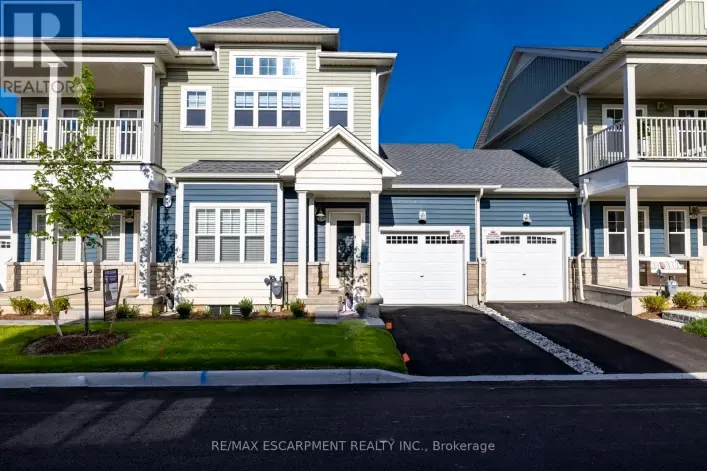


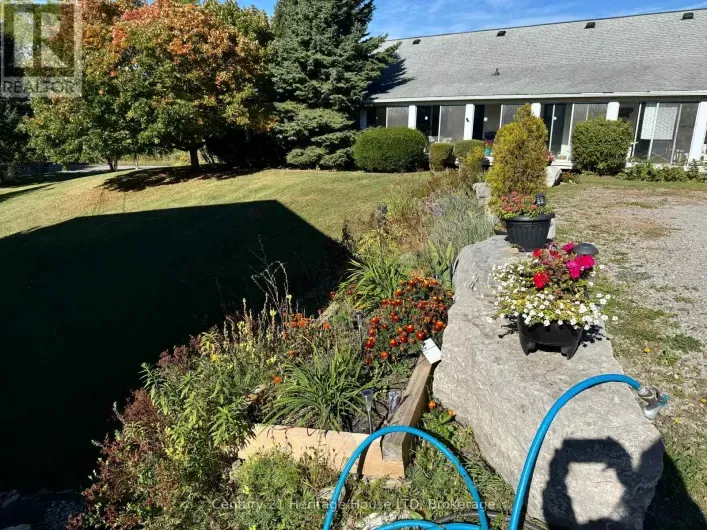


Fort Erie Houses for Rent
When comparing homes for rent in Fort Erie, Ontario, start with the space you need, the commute you can manage, and what you can afford each month. A detached house may offer a private yard or more storage, while a semi-detached home may offer a similar layout with a shared wall. If you prefer less outdoor upkeep, compare houses with apartments, condos, and townhomes for rent in Fort Erie.
Matching listings: 70
Average asking rent by property type
- Houses
- 29 listings
- $3,012 per month
- Townhomes
- 3 listings
- $2,575 per month
- Apartments
- 7 listings
- $5,357 per month
Use Fort Erie lease listings to build a shortlist based on your move-in date, bedroom count, parking needs, and total monthly cost. Before booking a viewing, confirm what the rent includes and whether the listing covers the entire home or a separate unit. For a place you like, test the trip to work, school, or regular errands at the time you would normally travel.
Houses
At a house viewing, check basement storage, laundry access, driveway space, and whether the yard is private or shared. Ask which utilities serve the unit and whether any are shared with another household. If the listing mentions lawn care or snow removal, ask who handles each task and how the arrangement is documented before signing.
Condos
For Fort Erie condos for rent, review the building’s rules alongside the lease. Confirm whether parking and a storage locker are included, which amenities tenants can use, and whether you need to reserve an elevator for moving day. If you have a pet, ask for the condominium’s current rules before applying.
Townhomes
When viewing Fort Erie townhomes for rent, check whether the layout works for your household: laundry on a different floor or a narrow stairway can matter more than extra square footage. Ask which outdoor spaces are for your exclusive use, where guests can park, and who clears shared walkways in winter.
Nearby Places to Search for Rentals
Frequently Asked Questions
What should I prepare for a rental application?
Have your preferred move-in date, rental history, references, and proof of income ready. A landlord may ask for consent to run a credit check. Before sending sensitive documents or paying a deposit, verify the identity and authority of the person offering the rental.
What happens when a fixed-term lease ends?
Many rentals start with a one-year lease. In Ontario, a tenancy with monthly rent generally continues month to month after the fixed term ends unless it is lawfully ended or both parties agree to a new fixed term. You generally do not have to sign another one-year lease to stay.
When can the landlord raise the rent?
For most Ontario tenancies, rent generally cannot increase until at least 12 months after the tenancy began or the last increase. The landlord generally must give at least 90 days’ written notice using the appropriate form. The provincial rent increase guideline applies to many units, but some are exempt.
How should I compare utility costs?
Ask which charges are included and who pays for heat, electricity, water, and hot water tank rental. For utilities you pay directly, ask about typical winter bills if the landlord can share them. If a bill is split between units, make sure the lease explains how your share is calculated.
Can I bring a pet?
In most tenancies covered by Ontario’s Residential Tenancies Act, a no-pet clause in a lease is generally void. Condominium rules and municipal bylaws can still restrict pets. Check the rules that apply to the property, including any limits on size or number.
What should I look for during a move-in inspection?
Walk through the rental with the landlord or property manager if possible. Test appliances, taps, windows, and locks, and take dated photos of existing damage. Record any promised repairs and their expected completion dates in writing, and keep a copy with your lease.