











Buying a house legal basement suite Saskatoon: what to know before you commit
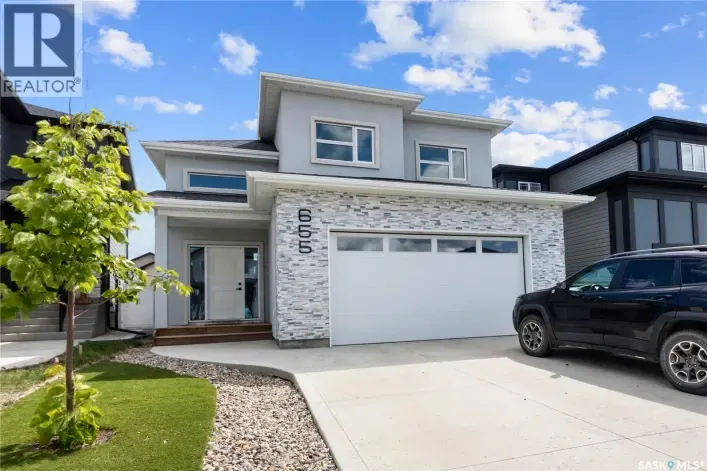
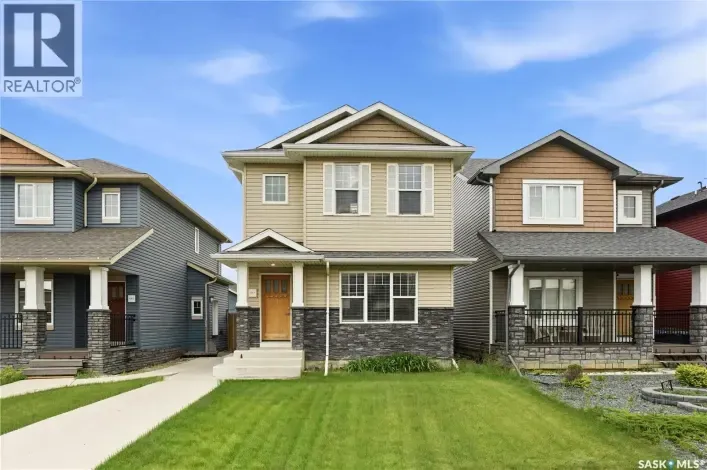
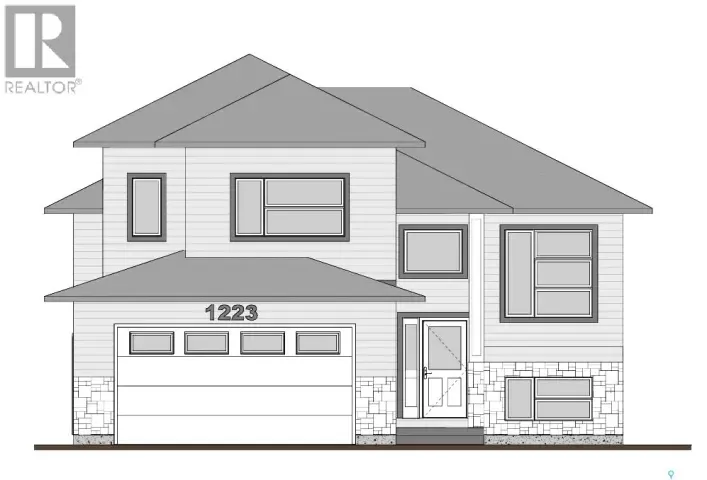
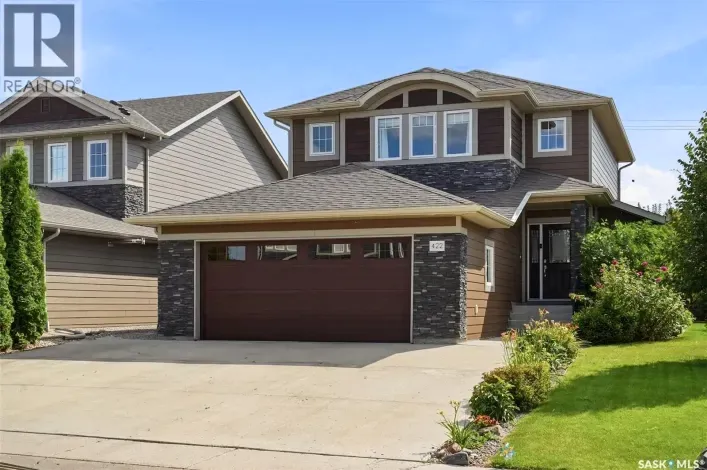
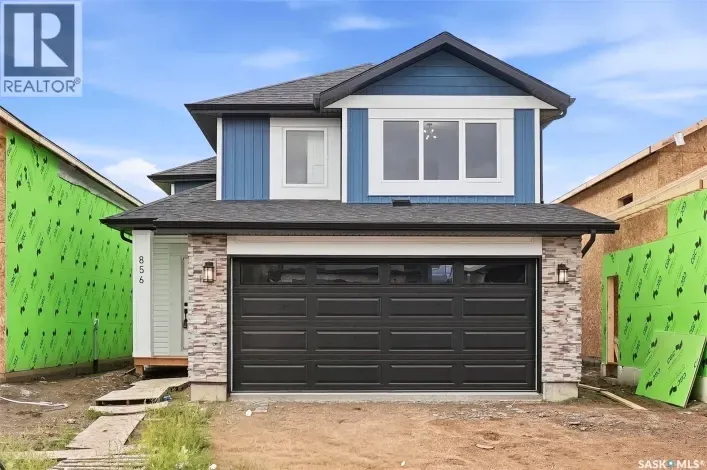
For many buyers and investors, a house legal basement suite Saskatoon offers a practical blend of affordability, flexibility, and income potential. Whether you're eyeing a two-bedroom house near the University, a house for sale with separate basement entrance in S7H 0A1, or a newer build designed as a house with suite on the west side, understanding zoning, code compliance, and market nuance is critical. You'll find a solid cross-section of compliant options on the KeyHomes.ca page for Saskatoon houses with legal suites.
What makes a “legal” suite in Saskatoon?
In Saskatoon, a legal secondary suite is a self‑contained dwelling unit within or accessory to a primary dwelling that meets zoning and Building Code requirements and has been permitted and inspected by the City. Expect to see documentation such as issued building and plumbing permits, final inspections, and where applicable, development approvals.
- Zoning: Many low‑density residential districts permit secondary suites; garden or garage suite Saskatoon scenarios may have additional criteria. Always verify on a property‑by‑property basis with City Planning.
- Building Code: Requirements typically address separate egress, smoke/CO alarms (often interconnected), fire separation, ventilation, and minimum ceiling heights. Retrofitted suites must meet the standards triggered by the scope/date of renovation.
- Parking and lot criteria: Minimum on‑site parking and lot width/depth rules can vary by district and may be updated periodically. Confirm current standards before relying on them.
Key takeaway: Ask for written proof of permits, final inspections, and approvals. A “non‑conforming” or “unauthorized” suite can impact financing, insurance, liability, rentability, and resale.
Neighbourhoods, zoning fit, and lifestyle alignment
Demand patterns differ across Saskatoon's established east side and newer west‑side communities:
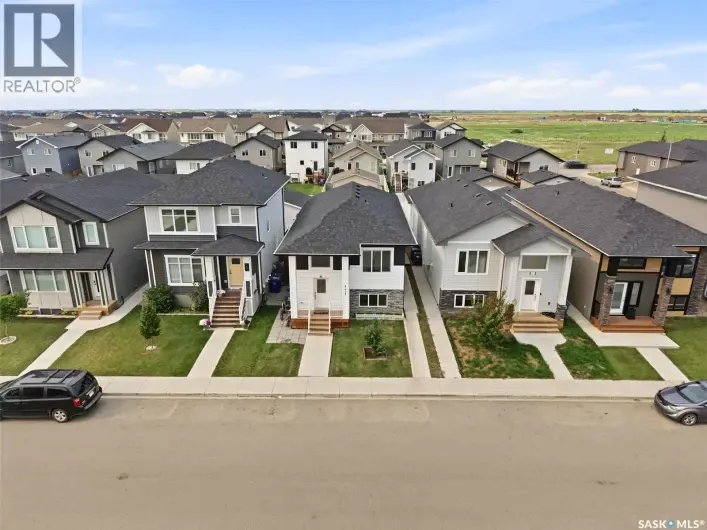
- East side convenience: Proximity to U of S, hospitals, and core employment nodes supports stable tenancy. Explore options across Saskatoon's east‑side neighbourhoods; areas within postal codes like S7H 0A1 often appeal to students and professionals.
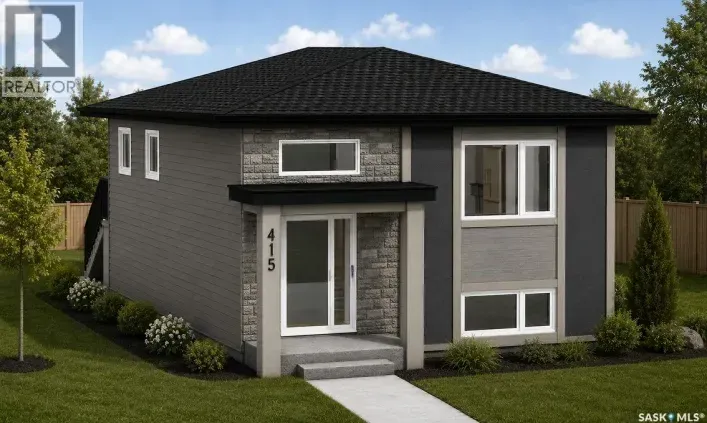
- Newer subdivisions: Purpose‑built homes with separate entrance are common in growth areas like Kensington, where builders frequently design a house for sale with 2 kitchens anticipating suite income.
- Accessory structures: Considering a garage suite Saskatoon configuration? Rules for garden/laneway suites can differ from basement suites and may involve design guidelines or discretionary approvals.
If your lifestyle priorities include amenities, compare income‑suite homes with features such as pools or contemporary loft layouts—see Saskatoon houses with pools and Saskatoon loft options to gauge trade‑offs between rental income and owner enjoyment.
Layout choices: separate entrances and multi‑generational living
Buyers routinely search for houses for sale Saskatoon separate entrance to create privacy between units. A house with separate entrance for sale—especially a true house with separate basement entrance—helps marketability to tenants and can enhance value perception. Typical formats include:
- Two‑bedroom basement suites with dedicated laundry and a full kitchen.
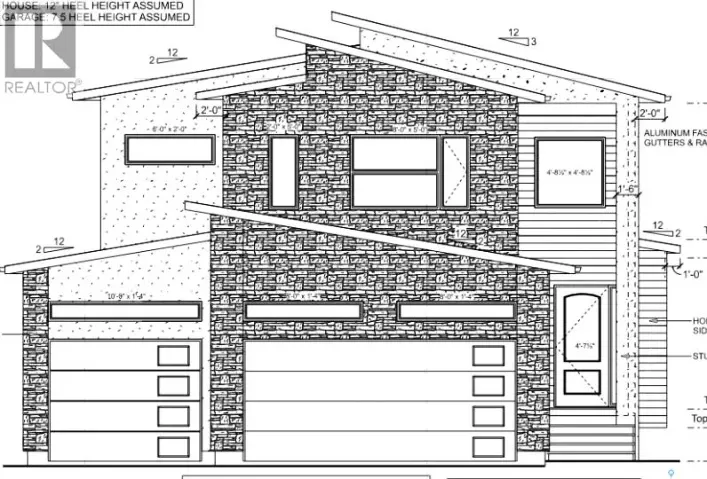
- “Lock‑off” floorplans in new builds designed from day one as a house with suite, often with sound attenuation upgrades.
- Multi‑gen setups: A house with grandmother suite may share or separate services. If aging‑in‑place or caregiving is a priority, look for minimal stairs, wider doors, and accessible bathrooms.
Buyer tip: Confirm utility metering and heat distribution—separately metered electrical and well‑designed HVAC improve comfort and simplify cost‑sharing, which can support stronger rents.
Financing and insurance nuances
Lenders and insurers differentiate legal suites from “non‑conforming” units. Some lenders count a portion of market rent to help qualify your mortgage; appraisers give more reliable value credit to permitted, code‑compliant suites. A brief scenario:
- Owner‑occupier purchasing a two-bedroom house with a legal basement suite: Lender includes a percentage of lease‑supported rent in debt‑service calculations, improving affordability.
- Investor buying a house for sale with 2 kitchens that is not permitted: Expect stricter underwriting, potential insurance exclusions, or a requirement to decommission/permit the suite.
For context on how rules vary across Canada, compare how municipalities handle suites in places like Airdrie and Brampton. Differences in licensing, parking, or egress standards can affect cash flow assumptions if you invest in multiple cities.
Resale potential and rental demand
Legal suites generally trade at a premium versus similar homes with unauthorized units due to reduced risk and stronger lender/insurer acceptance. In Saskatoon, rent demand clusters near universities, hospitals, and transit corridors. Across balanced markets, compliant suites tend to shorten days on market because both investors and owner‑occupiers can underwrite the income effectively.
Why it matters: Documentation travels with the property. Clean permit history and as‑built drawings are assets at resale.
Seasonal market patterns in Saskatoon
Supply builds through spring as new listings hit the market; student‑driven rental demand rises late summer ahead of the fall semester. Winter can present fewer competing buyers and motivated sellers, but inspections require extra diligence. Consider:
- Cold‑weather performance: Check furnace age, ventilation, and ice‑damming history. Ensure suite egress routes remain safe in deep snow.
- Timing for permits: If you plan to legalize or build a suite, align renovations with contractor availability and permit timelines; spring and summer are busiest.
Short‑term rentals vs. long‑term tenancies
Saskatoon has implemented rules for short‑term rentals that may include business licensing and, in some zones, additional approvals. If you intend to use a house with separate basement entrance for occasional STR income, confirm whether the address qualifies as a primary residence, whether a discretionary use is required, and what safety standards apply. Always verify current municipal rules before counting on short‑term rental revenue.
Due diligence checklist for buyers
- Permits and inspections: Request the full permit package and final inspection records for the suite, including any electrical/plumbing work.
- Egress and safety: Confirm bedroom egress windows, smoke/CO alarms, and fire separation meet the applicable Code for the build/renovation date.
- Mechanical and utilities: Assess furnace capacity, ventilation, and whether utilities are separately metered. Review sump pump and grading for spring melt.
- Parking and site plan: Verify current on‑site parking requirements by zone and whether there are alley or curb cut limitations.
- Tenancy and compliance: In a purchase with an existing tenant, review lease terms, security deposits, and compliance with Saskatchewan Residential Tenancies Act.
Looking beyond city limits: acreages, cottages, and regional considerations
Some buyers want the income of a suite plus the space of an acreage. In RMs near Saskatoon—such as around Blucher or towards Meacham—zoning can be different from the City's, and not all bylaws permit secondary suites or rental uses in accessory buildings. Additionally, on rural properties or recreation‑oriented holdings, you'll often encounter private septic and well systems.
- Septic and well: Budget for inspections, water potability tests, and septic pump‑outs. Suites add occupancy load—confirm the system's capacity and permitting.
- Fire and access: Ensure adequate driveway access for emergency services; check that secondary egress remains viable year‑round.
- Recreation value: If your long‑term plan includes a cabin or income from land, browse recreational land in Saskatchewan to understand where seasonal demand supports rentals.
House hunting examples that fit common search patterns
If you're scanning for homes with separate entrance, think about who your tenant will be. Near campuses or hospitals, a compact one‑ or two‑bedroom house with separate basement entrance and good transit access is competitive. In family‑oriented zones, a larger house for sale with 2 kitchens and a three‑bedroom main floor can secure long‑term tenants while preserving owner privacy. In both cases, prioritize natural light in the suite, sound control, and code‑compliant bedrooms.
Investors sometimes compare rental upside versus owner amenities. A modest house with grandmother suite may generate steady rent, while a property with a pool or a loft‑style main floor delivers lifestyle value. Weight the operating costs (utilities, maintenance, insurance) against projected rents and vacancy assumptions for your micro‑market.
Where to research, compare, and verify
For a sense of inventory and pricing, review the curated selection of Saskatoon legal suite listings on KeyHomes.ca. The site also provides neighbourhood‑level pages, including east‑side communities and growth areas like Kensington, to help you gauge fit and rentability. Beyond listings, KeyHomes.ca is a practical resource to explore market data and connect with licensed professionals who understand the nuances of zoning, permitting, and tenancy law across Saskatchewan.
Regulations evolve, and details can vary by municipality and even by block. Before firming up an offer, coordinate with your lawyer, lender, and the City's Planning and Building Standards to ensure the suite's status aligns with your financing, insurance, and intended use.