
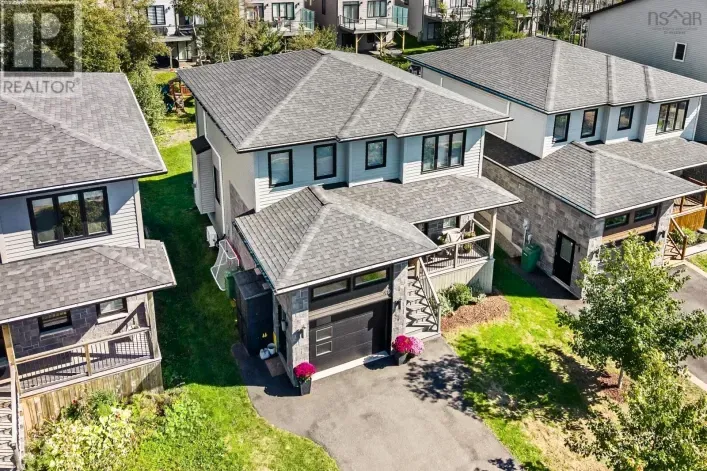

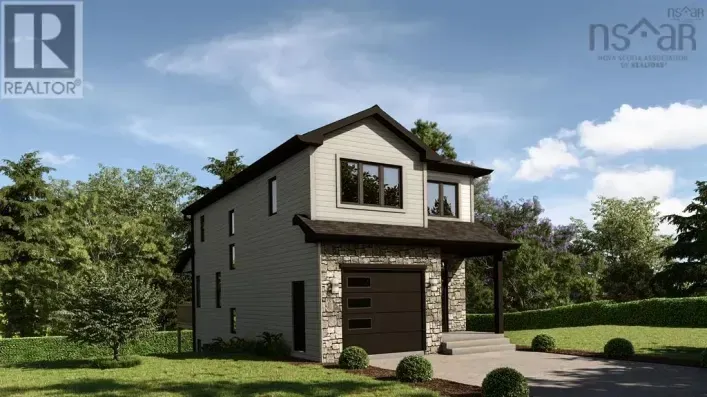

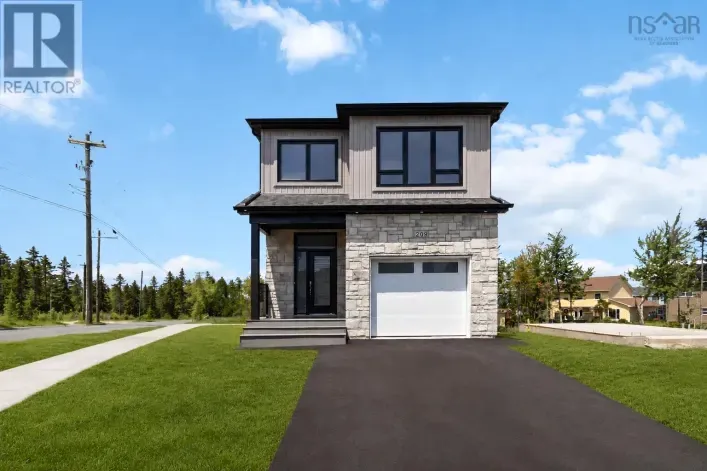
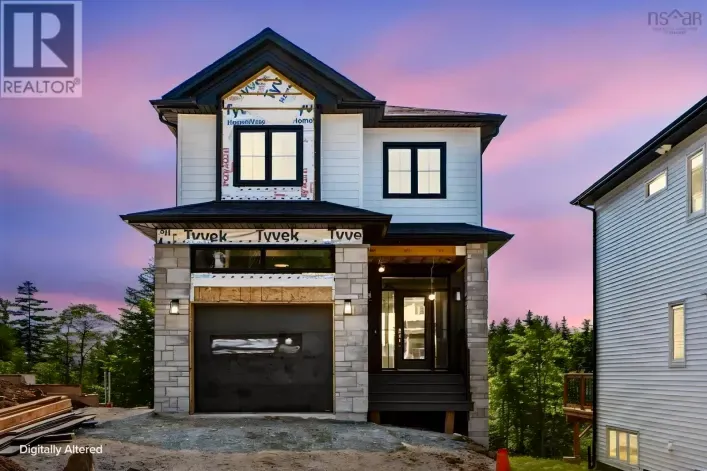


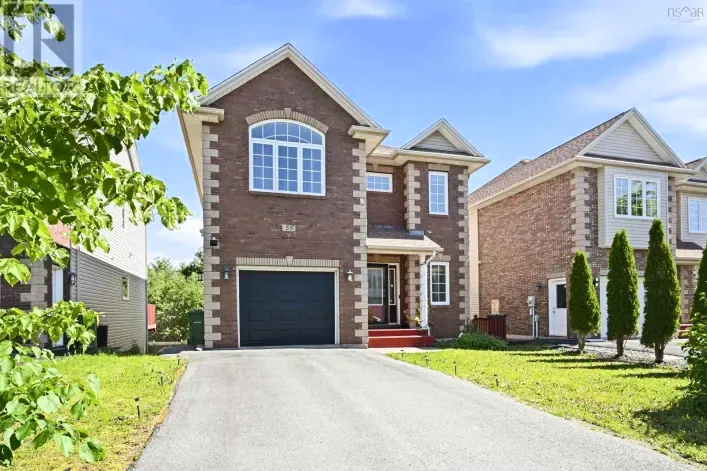


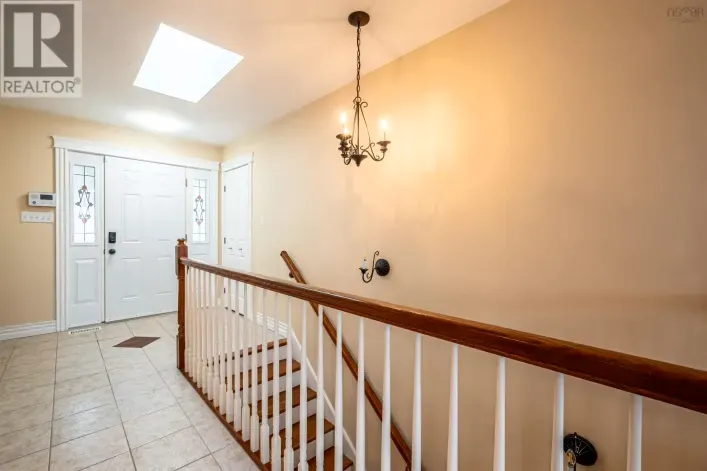



Buying a four-bedroom house in Bedford, Nova Scotia
If your search starts with “house bedford nova scotia province 4 bedroom,” the first step is deciding what that fourth bedroom needs to do. A nursery near the primary bedroom, a quiet office and a room for an older parent all call for different layouts. In Bedford, compare the floor plan, commute and condition of the property before treating bedroom count as a measure of value.
Matching listings: 30
Compare neighbourhoods, layouts and daily routines
Established streets in Bedford often have mature landscaping and houses built in different eras, while newer areas such as Bedford West offer more recently built homes and a different street layout. Test your commute at the time you’ll actually travel: access to Highway 102 or the Bedford Highway can look convenient on a map without telling you how long a weekday trip will take. If schools matter to your decision, confirm the current catchment with the Halifax Regional Centre for Education using the exact address.
When comparing a four bedroom house for sale with a three-bedroom home plus a den, look beyond the listing label. Searches such as “3/4 bed for sale” or “3-4 bedroom houses for sale” can surface usable alternatives, but a finished basement room is not necessarily suitable for sleeping. Check ceiling height, light, ventilation and emergency escape provisions, and ask whether the finished space was permitted. For buyers planning to age in place, Bedford bungalows are worth comparing, especially when the entrance, laundry and a full bathroom are accessible from the main level.
Verify zoning before counting on a suite or rental
Bedford is part of Halifax Regional Municipality (HRM). Check the zoning and applicable land-use by-law for the exact parcel, then ask municipal planning staff about the use or renovation you have in mind. An existing second kitchen or separate entrance does not establish that an apartment was approved. KeyHomes.ca is a useful starting point for exploring Nova Scotia houses with in-law suites, but municipal permit records are what you’ll want to verify before relying on that space as a separate dwelling.
Do not budget for rental income until you’ve checked both permission and financing. For example, a buyer who needs rent from a basement suite to qualify for the mortgage should ask the lender how much, if any, of the projected income it will count and what documentation it requires. For short-term stays, check HRM’s rules for the property and Nova Scotia’s tourist accommodation registration requirements. Provincial registration does not, on its own, make a use permissible under municipal rules.
Assess resale using comparable sales, not asking prices
A fourth bedroom generally adds more flexibility when it is full-sized, near a bathroom and does not come at the expense of practical living space. Ask a licensed local real estate professional for recent comparable sales, distinguishing above-grade bedrooms from lower-level rooms. Compare lot grade, parking, upkeep and location as well as square footage. If an address search such as “17 Summit Street Bedford” or “10 Fourth Street” leads to an older listing, confirm the municipality, listing date and current status rather than assuming it is available or comparable.
Architectural character can set a home apart, but maintenance costs matter at resale. When comparing Victorian houses in Nova Scotia, budget for the condition of original features rather than assuming they add value in every case. With century homes, pay particular attention to foundation moisture, wiring and past alterations, and verify whether heritage registration affects planned exterior work.
Time your search and budget for local ownership costs
Spring often brings more listings and more competition, while fall can offer a smaller pool of homes and fewer competing buyers. Winter showings can reveal drafts, heating performance and awkward snow storage, though snow may hide grading or roof details. In wetter weather, look for pooling water and ask about previous seepage, drainage work and sewer backups. If a home is near the Bedford waterfront or on low-lying ground, review available flood mapping and obtain a property-specific insurance quote before waiving conditions.
Build your budget around the purchase price, closing costs and ongoing expenses. Verify the applicable deed transfer taxes, especially if you are not a Nova Scotia resident, and don’t assume the seller’s tax bill will carry over after a sale: a transfer can affect eligibility for the province’s assessment cap. If you’re widening a “4 5 bedroom house for sale near me” search because of price, compare total monthly costs. King’s Wharf condos in Dartmouth and Halifax penthouses may suit buyers who prioritize waterfront access over a yard, but check condo fees, reserve-fund documents and whether the floor plan actually replaces the space you need.
Compare Bedford with coastal and seasonal alternatives
If the fourth bedroom is mainly for weekend guests, a property outside Bedford may serve you better. Homes in Herring Cove offer a coastal setting within HRM, but compare commute times, wind exposure and property-specific services. For properties around Ponhook Lake, confirm year-round road access, snow clearing and whether any shared road agreement is registered. On private services, arrange well-water testing and confirm the septic system’s condition and approved capacity rather than assuming it supports four bedrooms.
Financing and insurance can differ for a seasonal cottage and a year-round residence, so describe the property and intended use to both providers before committing. With Bay of Fundy cottages, check shoreline erosion, storm exposure and access at different tides. For log homes in Nova Scotia, ask an inspector familiar with log construction to assess moisture, settling and exterior maintenance. If seasonal rental income figures in your plans, verify the rules with the municipality where the cottage sits rather than assuming Bedford’s rules apply.