
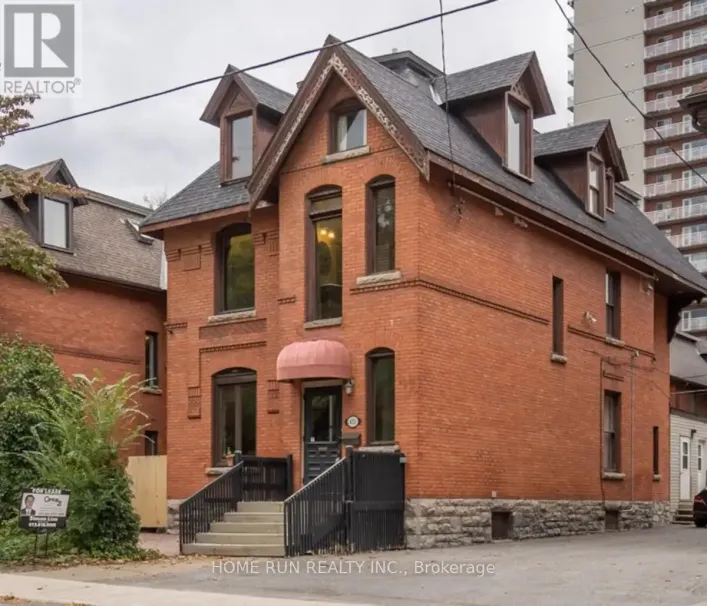
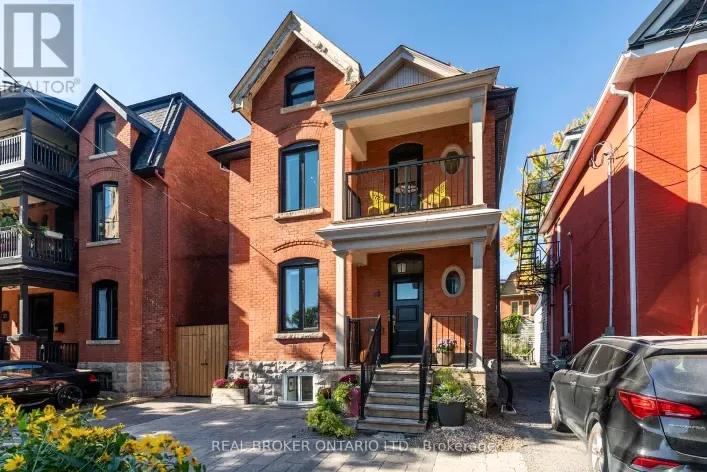

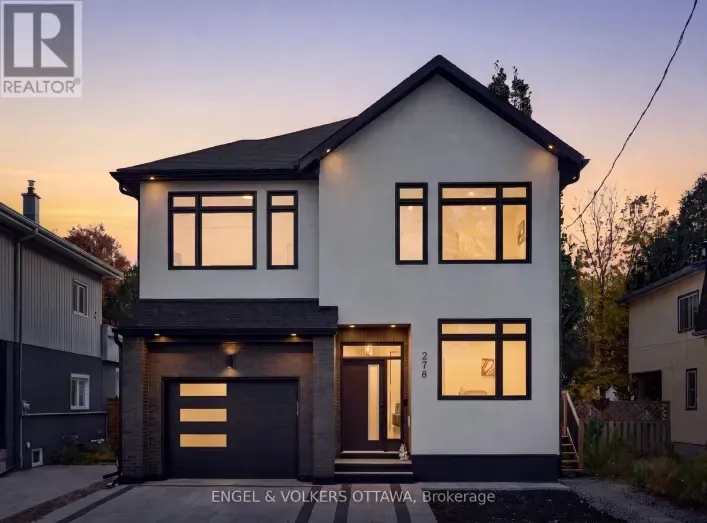
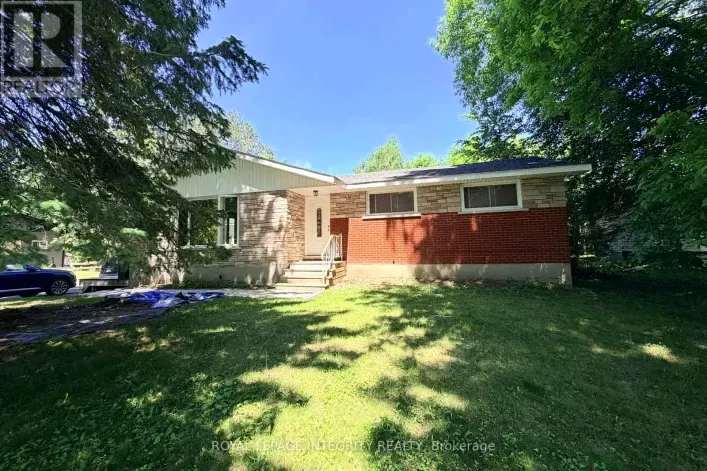

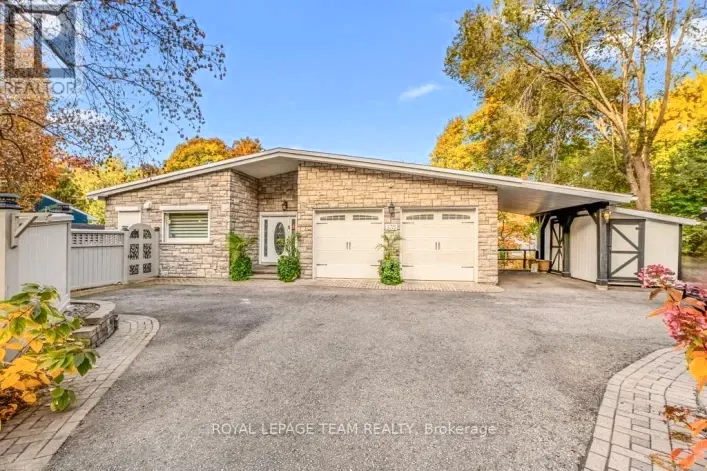


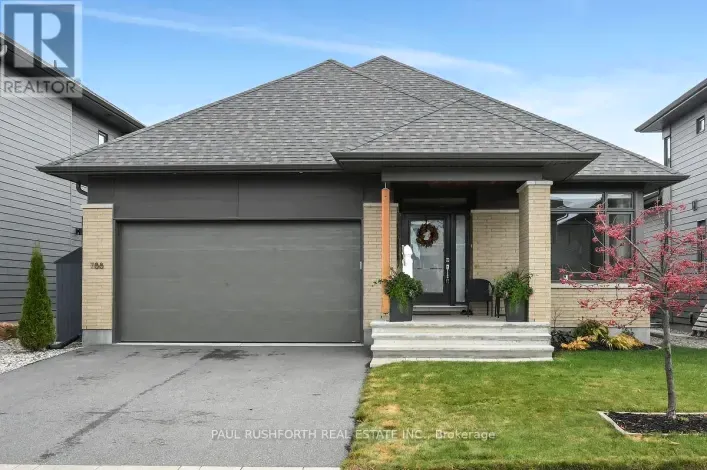

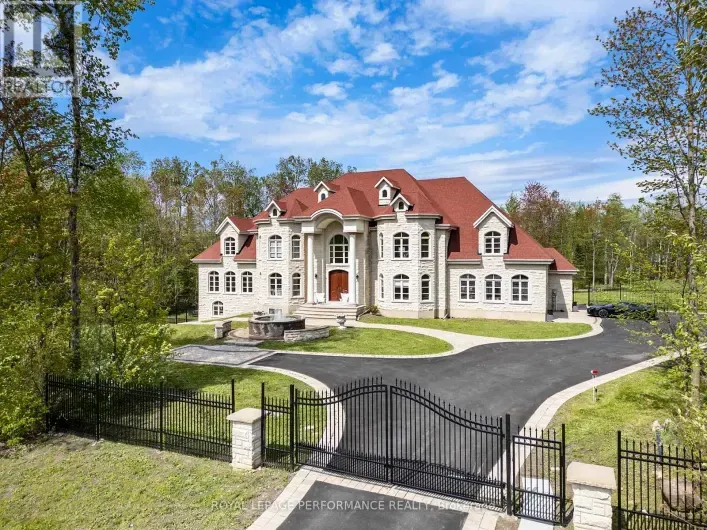


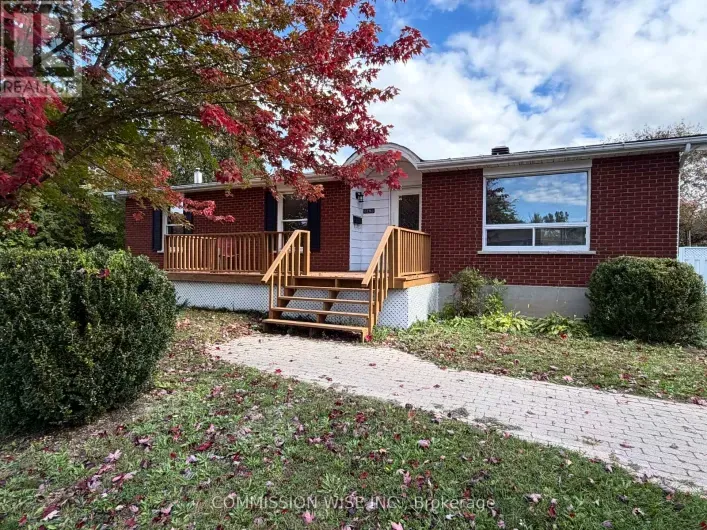

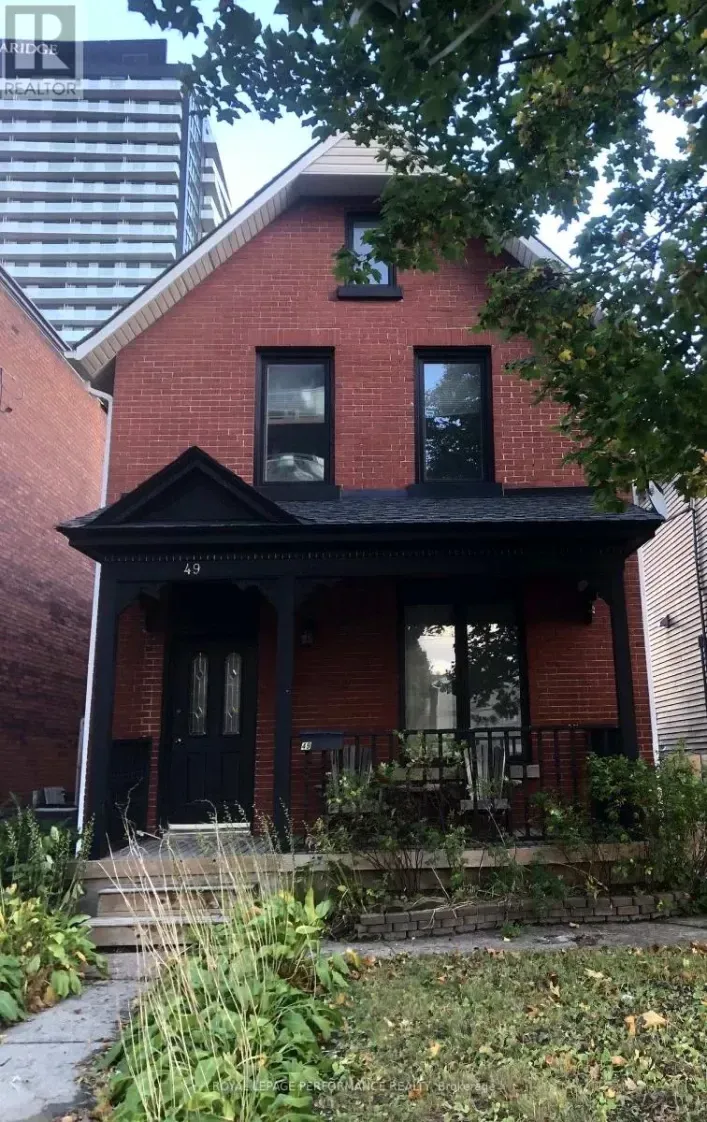

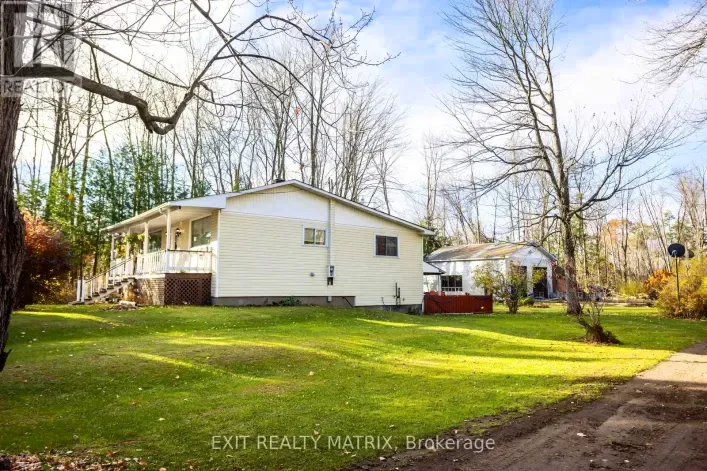


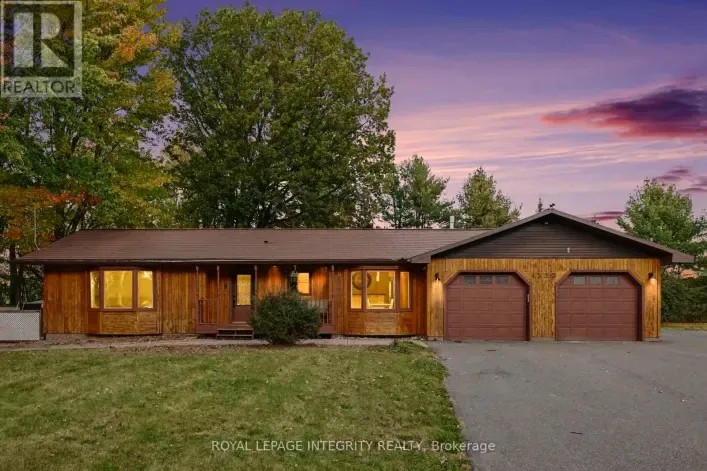







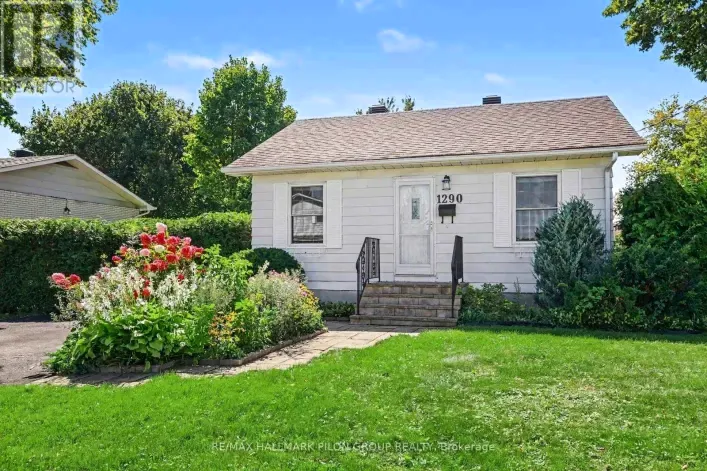
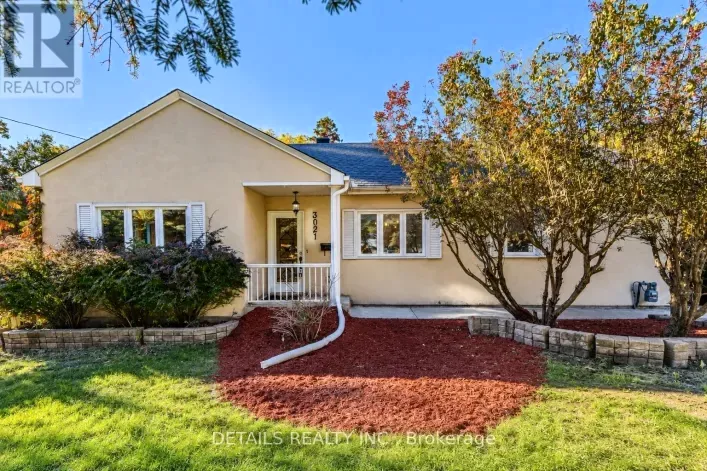


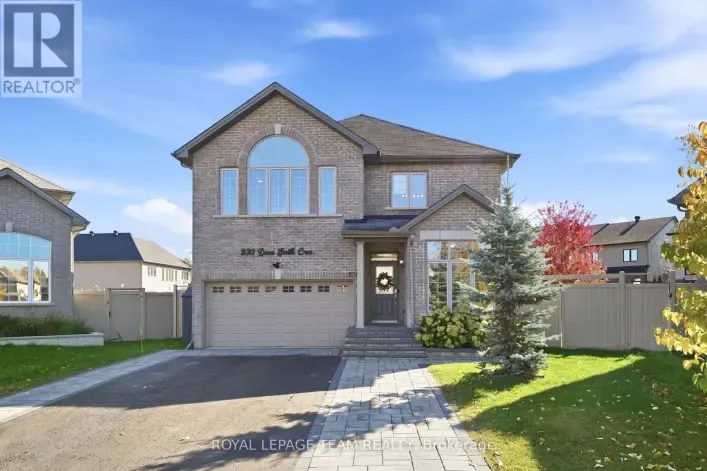

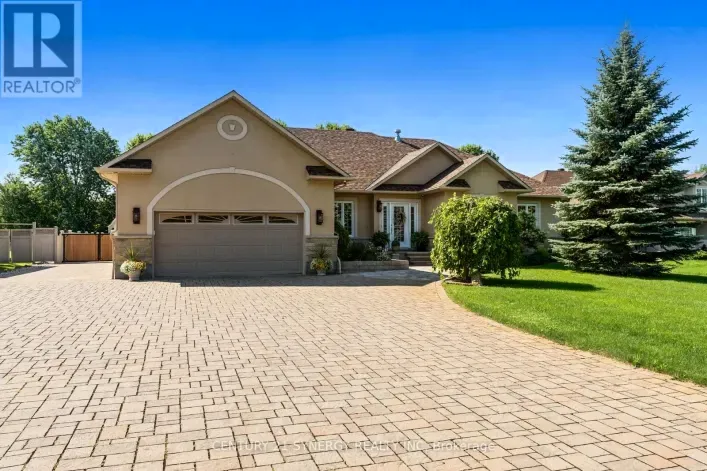
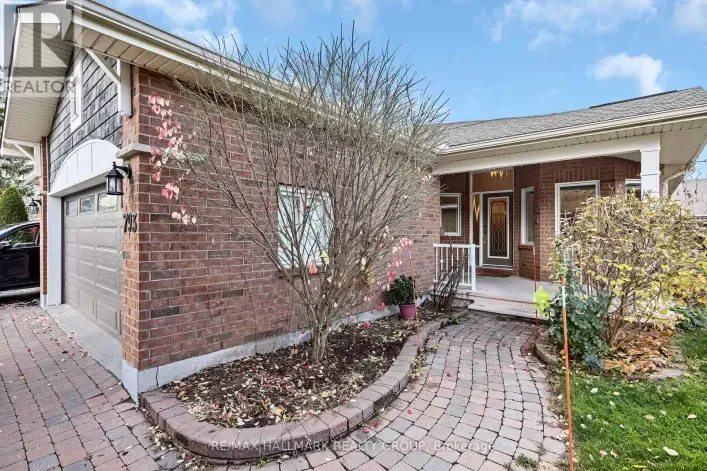


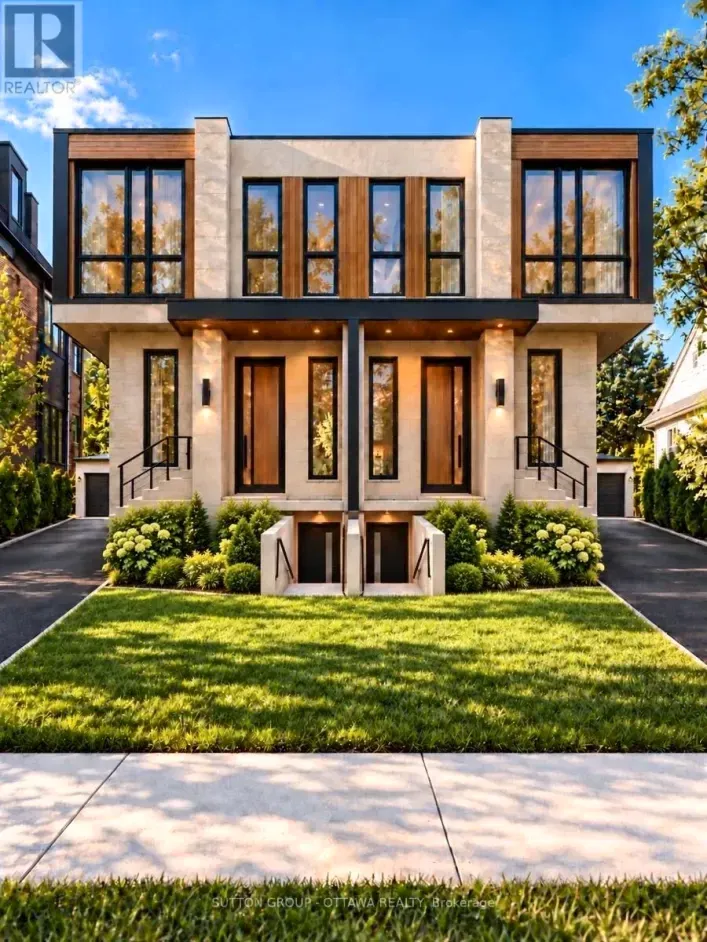

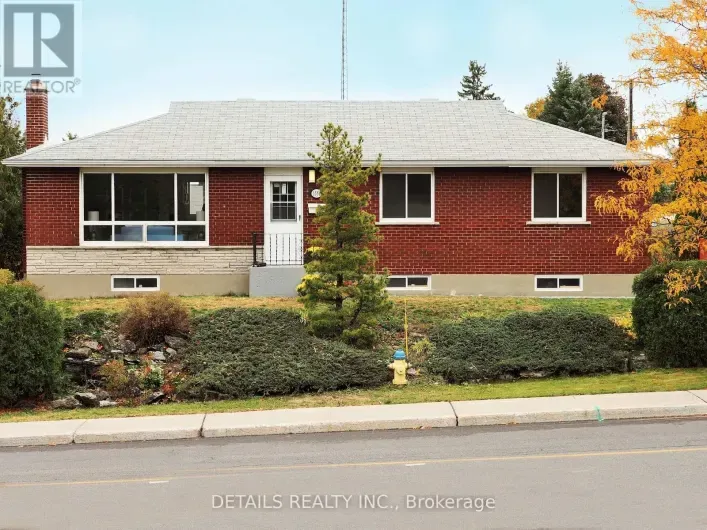


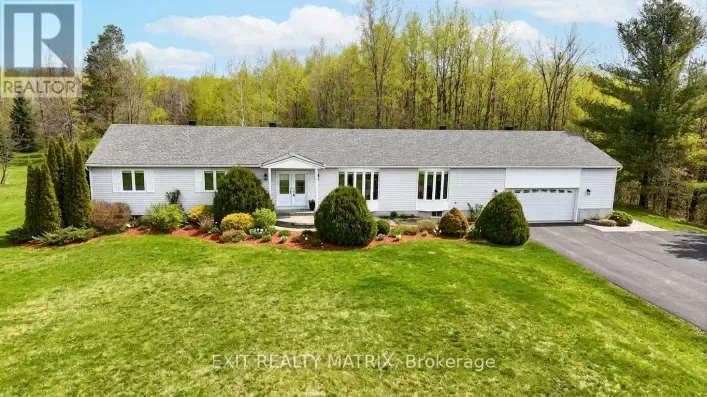

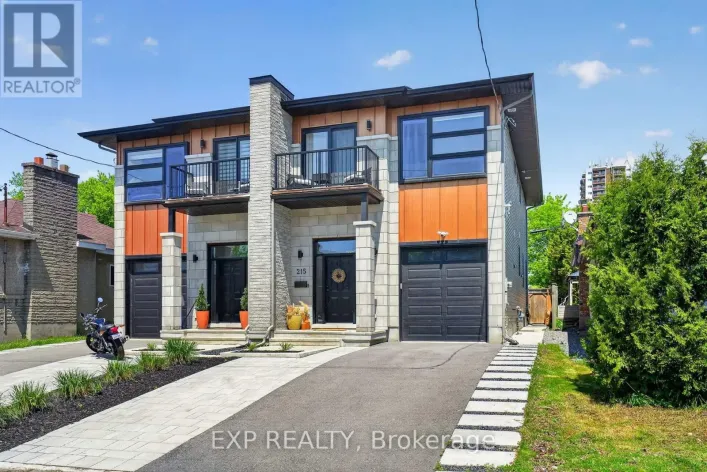


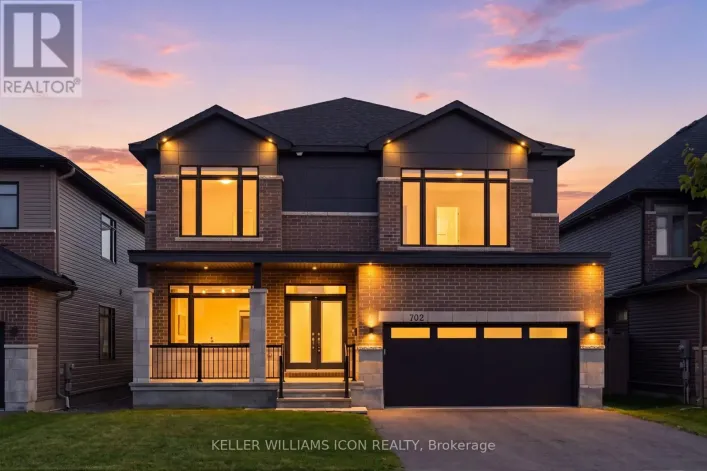
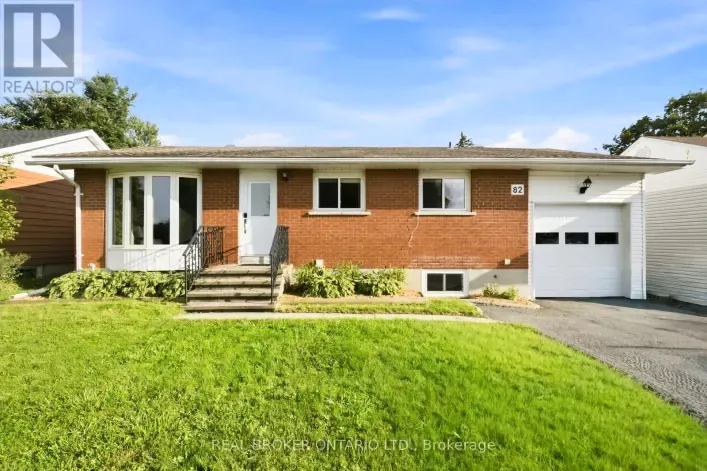


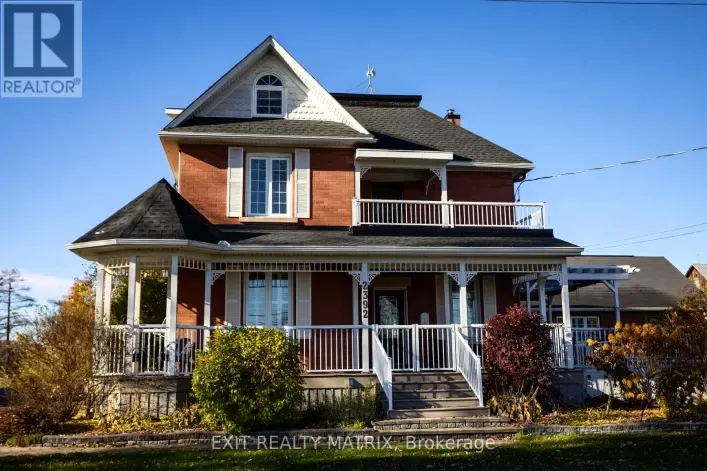
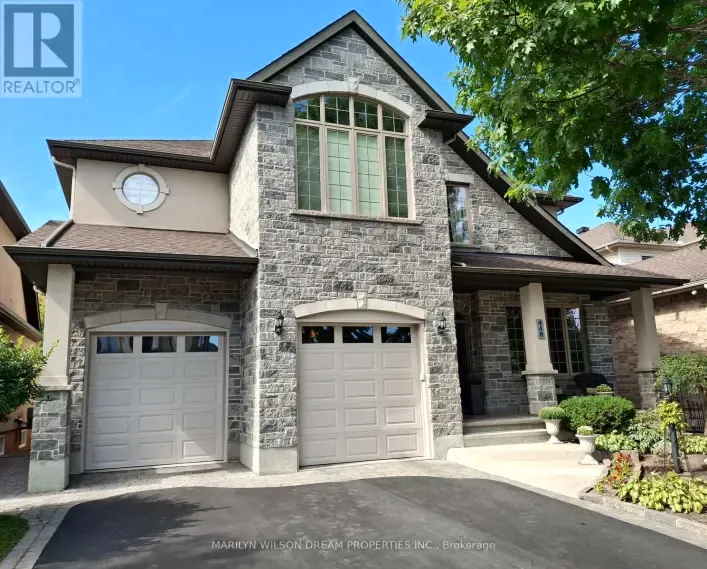



If you’re searching “inlaw suite Ottawa,” start by deciding whether you need private space for family or a separate dwelling you can rent. Listings can describe both as in-law suites, even though they have different implications for permits, financing and resale. A separate entrance is useful, but it does not prove that the space is approved as a dwelling unit.
Matching listings: 147
Inlaw suite Ottawa: Zoning and permits to verify
“In-law suite” is a listing term, not a legal classification. In Ottawa, a self-contained suite may be a secondary dwelling unit, while a detached unit may fall under the city’s coach house rules. The applicable requirements depend on the property, the proposed use and the rules in force. Confirm the address-specific zoning with the City of Ottawa, including any restrictions on unit count, setbacks, access or servicing. If you plan to build or legalize a suite, check what building permits and inspections are required before budgeting the work.
For an existing suite, ask for permit records, approved plans and inspection documentation, then compare them with the layout you see. A permit for basement finishing does not necessarily authorize a separate dwelling. An older unit may have a lawful status that is not obvious from current zoning, so seek municipal clarification rather than drawing a conclusion from the listing alone. If the purchase depends on rental income, verify the unit’s status before waiving relevant conditions.
KeyHomes.ca is a useful starting point for browsing Ottawa houses advertised with in-law suites and connecting with licensed professionals. For buyers comparing cities, in-law suite listings across Ontario can illustrate differences in layout and price, but provincial rules do not make municipal approvals or property records interchangeable.
Choosing a layout for family, tenants or future resale
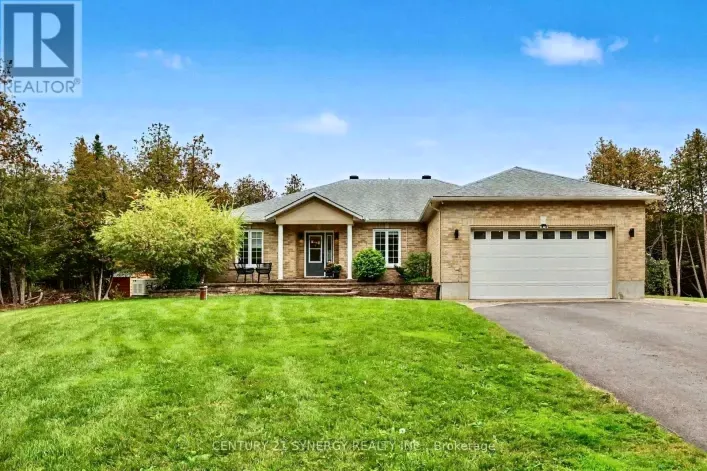
A basement apartment can give an adult child privacy while keeping family close. For an aging parent, however, the grade of the walkway and the steps at the entrance may matter more than the size of the kitchen. When browsing Ottawa bungalows with in-law suites, confirm which level contains the suite. A bungalow may offer single-level living upstairs while still requiring a full flight of stairs to reach the lower unit.
If you’re looking for a house with a detached mother-in-law suite for sale, consider who will clear snow from the path, how the unit is heated and whether both households can reach parking comfortably. A detached unit can offer more privacy, but it also adds a building to insure and maintain. Browsing Kitchener in-law suite listings can help distinguish attached layouts from detached ones; Vancouver homes with in-law suites offer another point of comparison for how listings describe shared access and outdoor space. Neither market is a substitute for Ottawa sale comparables.
For resale, look at what each household gives up as well as what it gains. A bright, documented suite with practical access may appeal to both multigenerational buyers and investors. A conversion that removes the main home’s best recreation space or leaves both households sharing one laundry room may narrow the buyer pool. Compare recent sales with similar suite status and layout rather than assuming the renovation cost translates into an equivalent price premium.
Financing, rental income and operating costs
Ask your lender or mortgage broker how it would treat rent from the specific property. An existing lease, an appraisal estimate of market rent and a seller’s projected rent are not necessarily treated the same way. For example, if you can qualify only by counting income from a vacant basement suite, ask what documentation the lender requires and whether it will count any of that income before you make a firm offer.
If the suite is occupied, review the lease, rent and included utilities. A sale does not automatically end an Ontario tenancy; get legal advice if you need vacant possession for a relative. If the occupant would share a kitchen or bathroom with the owner or certain members of the owner’s family who live in the home, different tenancy rules may apply. Confirm the arrangement rather than assuming that a listing labelled “in-law suite” is exempt from Ontario’s residential tenancy legislation.
Build a budget that allows for vacancy, repairs, insurance and utilities. A comparison with Burlington houses with in-law suites can help identify differences in purchase costs, while Halifax in-law suite listings can illustrate different configurations. Use Ottawa neighbourhood rents and quotes for the actual property when estimating cash flow.
Seasonal timing and regional considerations
Spring often brings more listings and more competition in Ottawa, though the balance varies by neighbourhood and price bracket. Winter showings can reveal whether a separate entrance is sheltered, where plowed snow will accumulate and how comfortable a lower-level suite feels in cold weather. Snow cover can also hide grading or drainage concerns, so ask about past water entry and have visible foundation and drainage conditions assessed.
For rural Ottawa or a cottage in the surrounding region, verify whether the well and septic system can support the proposed occupancy. Ask about the septic system’s approved capacity, the well’s yield and water quality, and whether seasonal roads are maintained in winter. Kingston-area homes with in-law suites can provide regional context, but a cottage outside Ottawa may be governed by a different municipality. Likewise, Barrie in-law suite listings may include layouts suited to year-round use; that does not mean a comparable-looking cottage has equivalent access or servicing.
Do not assume a legal long-term suite can be rented by the night. Ottawa generally ties short-term rental eligibility to a host’s principal residence, with separate provisions for qualifying cottage rentals. Check the current permit requirements and eligibility for the exact address and the part of the property you intend to rent. Listings for Kamloops homes with in-law suites may offer useful layout ideas, but British Columbia’s short-term rental rules do not apply in Ontario. For cottages across the Ottawa River, verify Quebec’s rules and the local municipality’s requirements separately.