
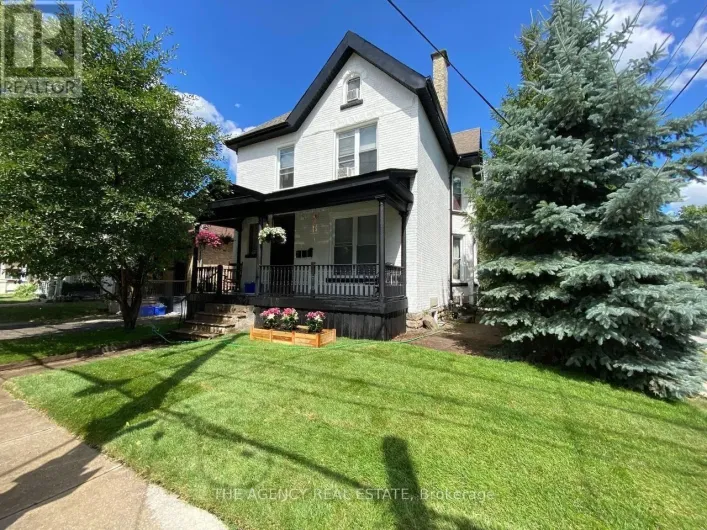
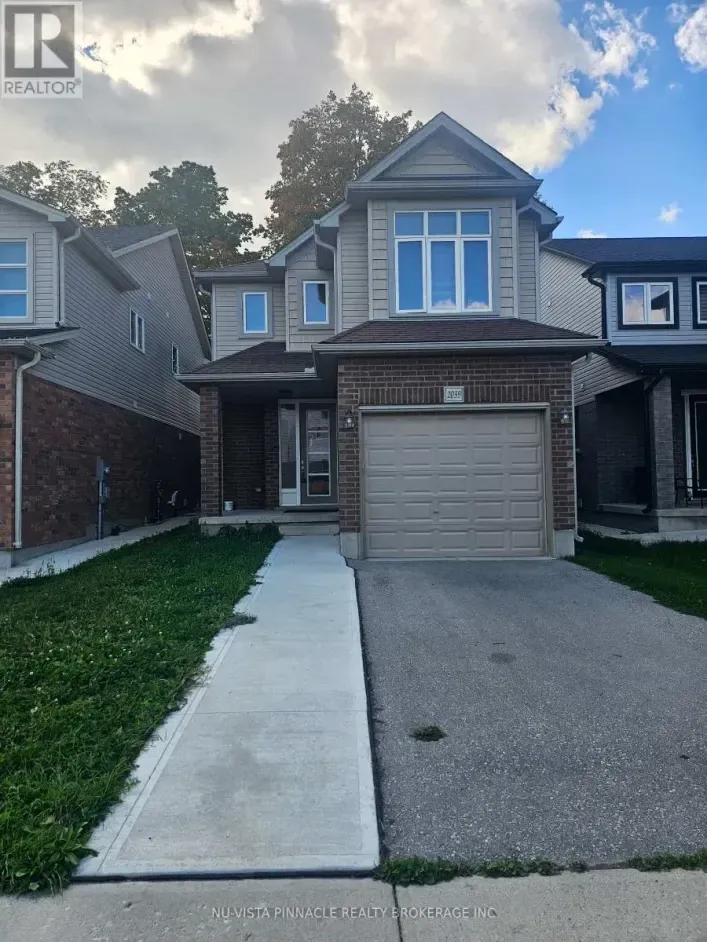
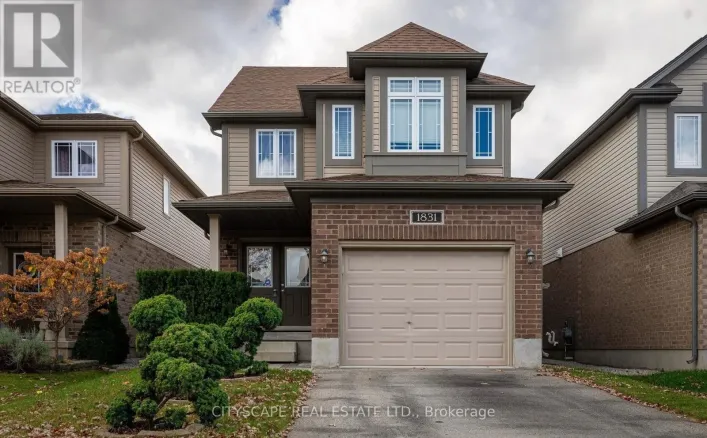

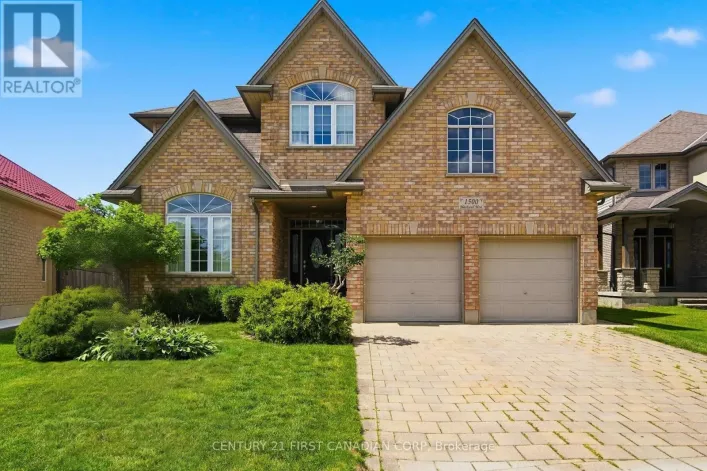

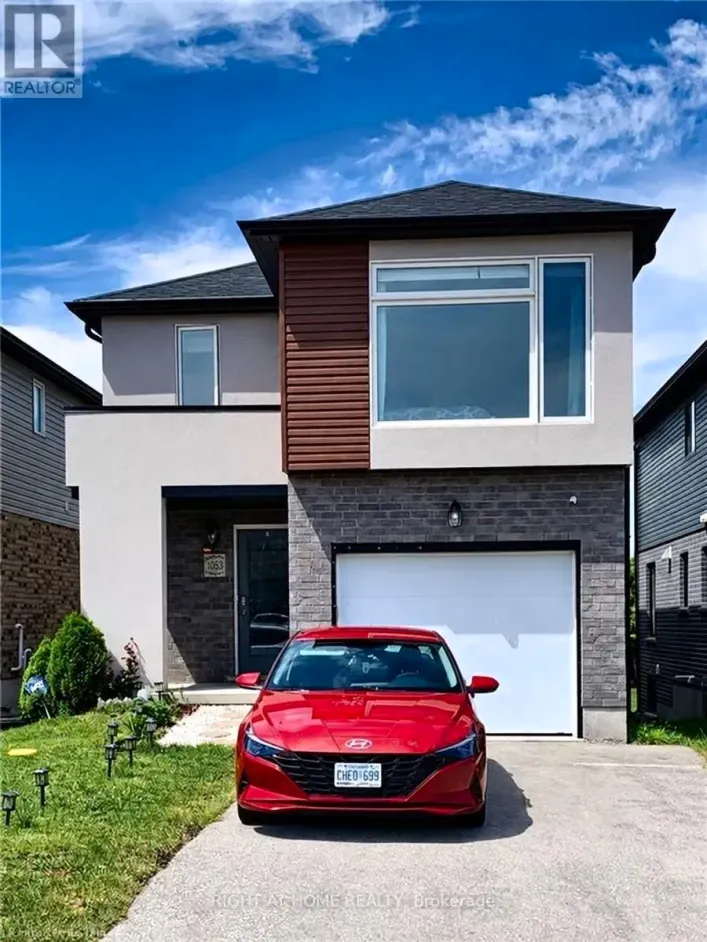



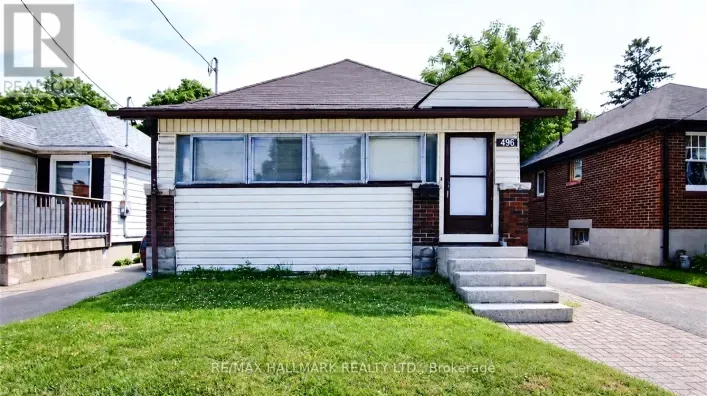


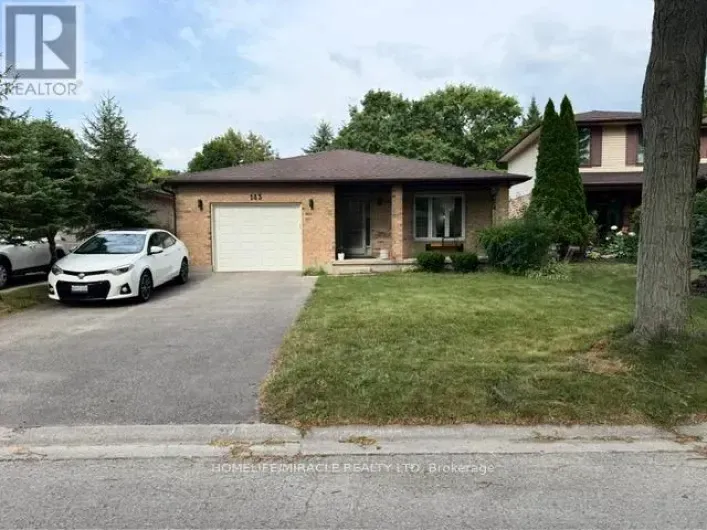


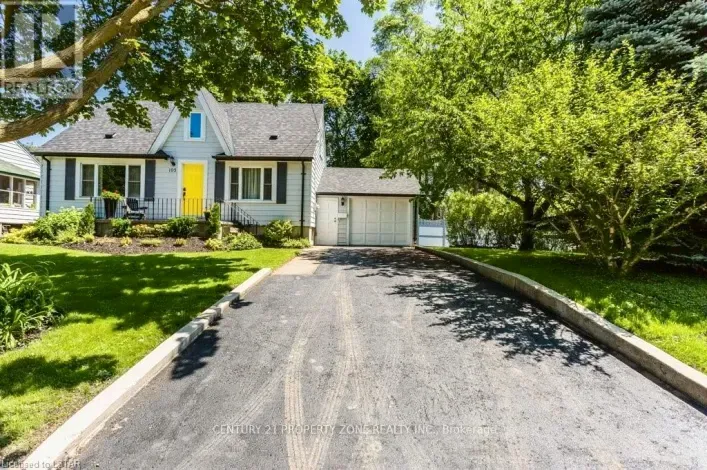





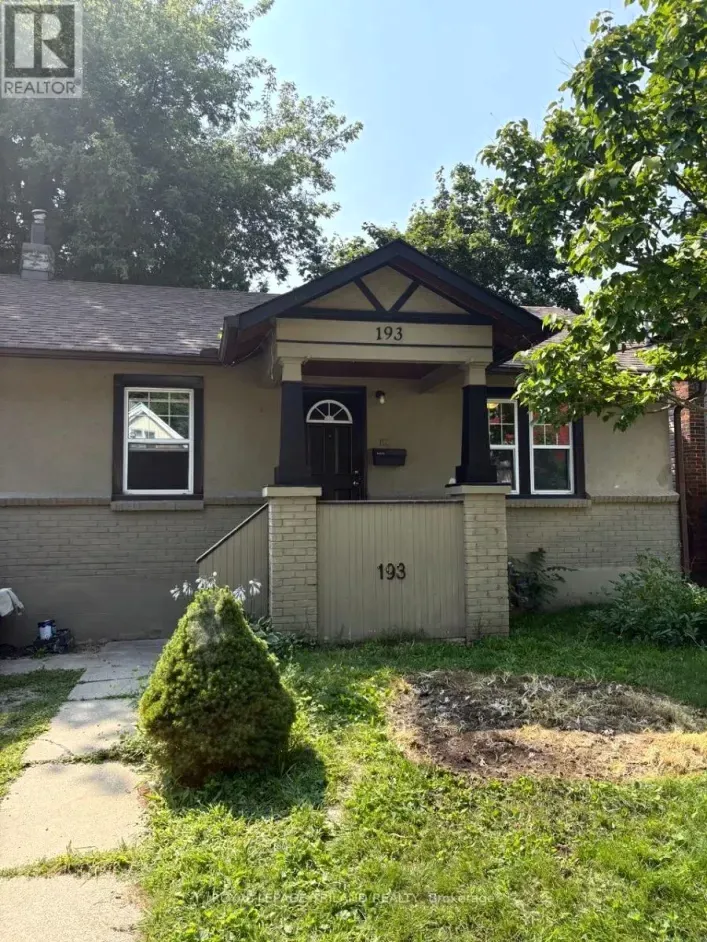

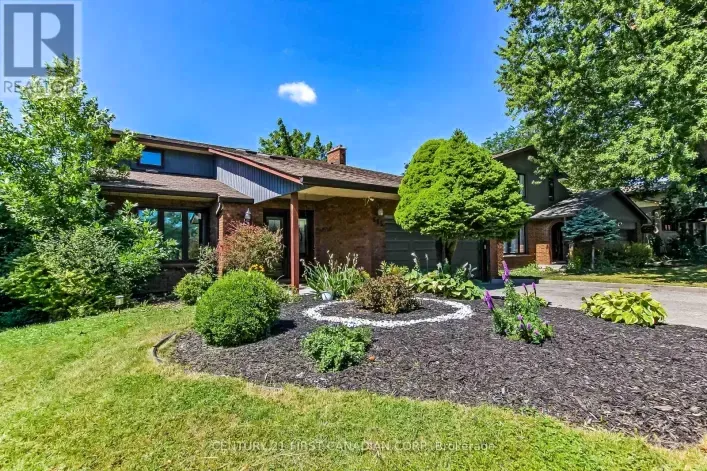



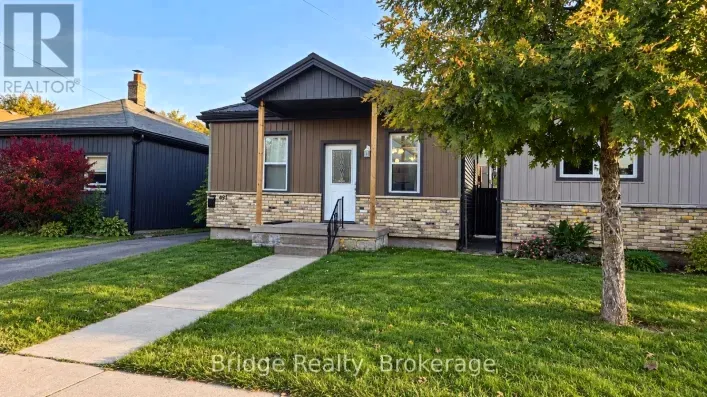








A house rental London search can turn up everything from a two-bedroom bungalow to a five-bedroom home near Western University. The right choice depends on whether you plan to live there, operate a long-term rental, or use the property as a seasonal base. In London, Ontario, permitted use, lease terms, and maintenance costs can matter as much as the advertised rent or purchase price.
Matching listings: 138
House rental London: match the property to the way you live
Start with your daily routes rather than a neighbourhood name. Test the commute to work, Western University, Fanshawe College, or a hospital at the time you would actually travel. Check transit frequency, grocery access, school boundaries, and winter parking. KeyHomes.ca is a useful starting point for comparing London-area house listings and connecting with licensed real estate professionals who can help put asking prices and rents in context.
A two-bedroom house in London, Ontario may suit a smaller household, but check storage, parking, and whether the second bedroom can serve as a home office. When comparing three-bedroom houses in east London, look beyond bedroom count to the layout and travel time. With a London house with a pool, ask what the lease says about routine upkeep, opening and closing, and access. Buyers should also price equipment replacement, fencing compliance, and insurance.
Check zoning, licensing, and legal occupancy before committing
A listing describes a property; it does not establish what the municipality permits. Before buying a London house advertised with a granny suite, ask the City of London about zoning, applicable building permits, and whether inspections were completed. A house with a separate entrance is not necessarily approved for two households. A finished basement in a full-house rental may be useful living space without being an approved second unit or having bedrooms that meet applicable safety requirements.
Confirm whether London’s residential rental licensing rules apply to the property and proposed use. If you are evaluating five-bedroom houses in London for student rentals, explain to city staff whether you intend to rent the whole house under one lease or rent rooms separately. Ask how that arrangement affects zoning, licensing, and fire-safety obligations. Do not base an offer or financing plan on rental income from a unit whose legal status you have not verified.
Understand Ontario leases and investor financing
Most residential tenancies in Ontario require the provincial standard lease. Before signing, clarify which utilities are included, who controls the thermostat, and whether parking, laundry, or outdoor space is shared. Investors buying an occupied house should review the lease, lawful rent, and any outstanding disputes before making an unconditional offer. A sale does not, by itself, end a tenancy. Ontario’s rent-increase guideline generally does not apply to units first occupied for residential purposes after November 15, 2018, but other rent-increase rules can still apply. Verify the occupancy history rather than relying on a renovation date.
Ask the lender how it will treat projected rent, particularly if you plan to occupy one unit and let another. Lenders may count only part of the expected income and may require documentation about the unit. Run the numbers using the current lawful rent for an occupied property, not the rent an online listing suggests you could ask. Allow for vacancy, insurance, taxes, repairs, and larger expenses such as roof or furnace replacement.
Seasonal demand and resale potential
Near Western and Fanshawe, leasing activity often follows the academic calendar. Some students secure September housing months ahead, while other leases begin in May. Check recent leases with comparable start dates before assuming a late-summer listing will fill at your target rent. In family-oriented areas, spring and summer moves can be convenient for households arranging school transitions, but competition varies by price and location.
For resale, consider who would buy the property if the rental strategy no longer worked. A functional layout, usable parking, and documented improvements can appeal to both owner-occupiers and investors. If searches for “70 Summit Ave” or “35 Noel Ave London Ontario” lead to an older listing, confirm the exact address and current status before treating that listing as evidence of value. Recent comparable sales are more useful than a single asking price. Check flood mapping where relevant, particularly near the Thames River and its tributaries, and ask about past water damage and insurance availability.
Compare regional alternatives and seasonal properties
If your plans include regular travel east of London, a one-bedroom rental in Woodstock can help you compare the trade-off between space and commute. A Scott Boulevard listing in Milton offers a point of comparison for a household considering a move toward the Greater Toronto Area, but it is not a comparable for London rents. Factor in transportation costs and travel time rather than comparing asking rents alone.
For a seasonal place near Lake Huron or Lake Erie, verify winter road access, insulation, and water service before assuming year-round use. For a purchase on private services, review septic permits and maintenance records, test the well water, and ask your lender and insurer what documentation they require. A seasonal cottage may be assessed differently from a year-round home. If you plan to offset carrying costs with short stays, verify the rules in the municipality where the property sits. Check licensing, zoning, occupancy, and any principal-residence requirements before counting on rental income; London’s rules do not govern cottages outside city limits.