
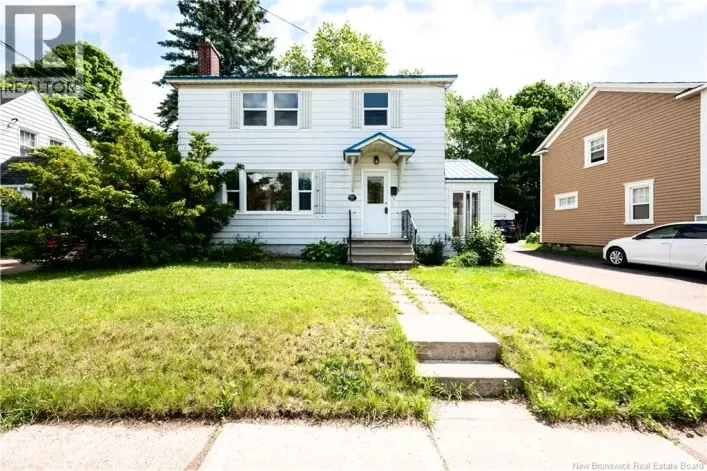

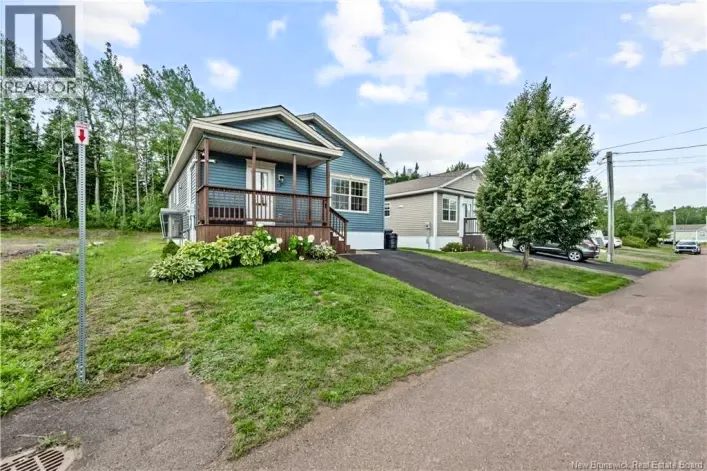

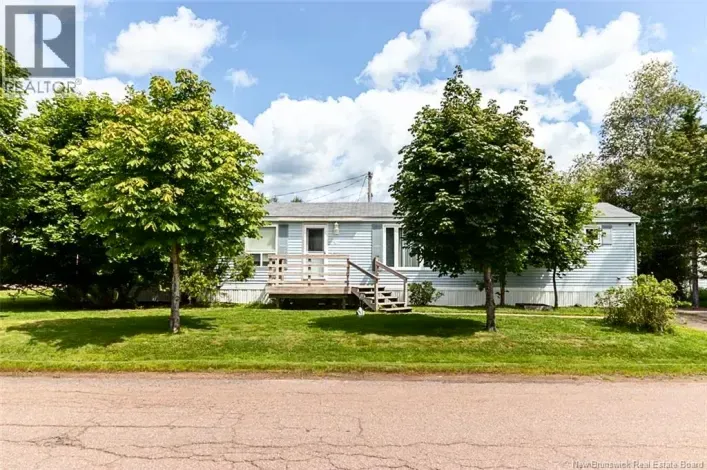

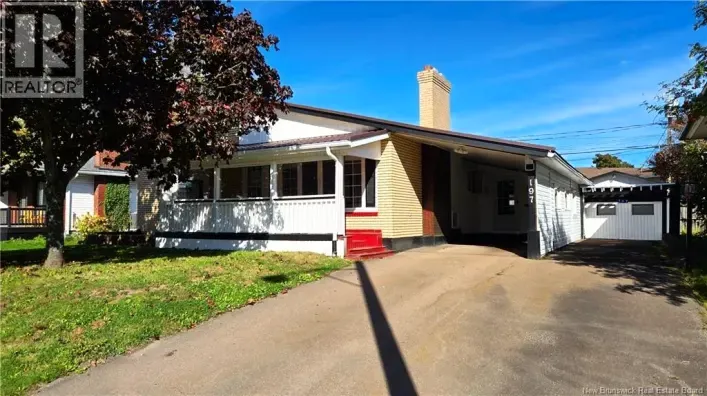


















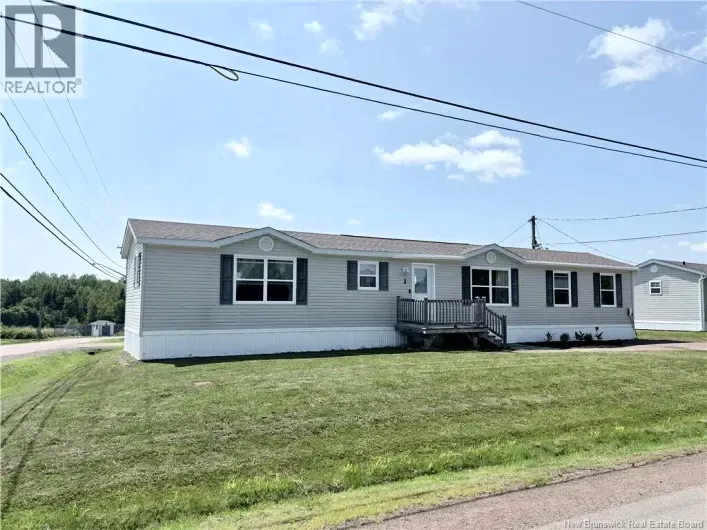


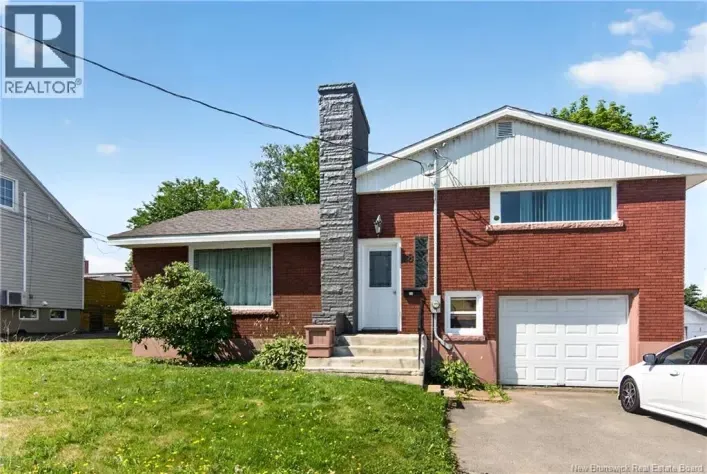
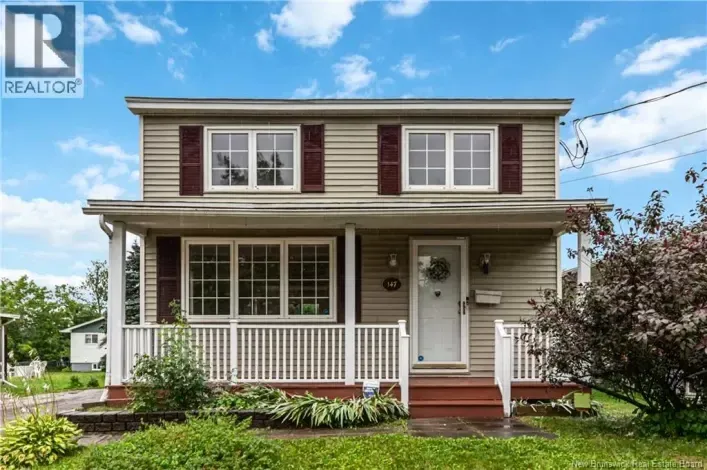

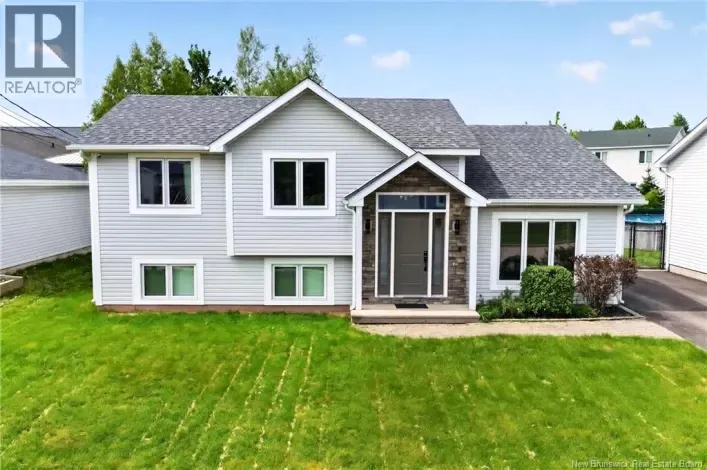












Buying a Three-Bedroom House in Moncton
If you’re searching for “house 3 bedroom Moncton,” start by deciding what the third bedroom needs to do: serve as a child’s room, a permanent office, or space for guests. Then compare the entire property, not just the room count. In Greater Moncton, municipal boundaries, drainage, heating costs and access to services can make two similarly priced homes very different purchases.
Matching listings: 98
Compare Neighbourhoods and Floor Plans
In central Moncton, older houses can put you closer to downtown services, but check the condition of foundations, wiring and sewer laterals rather than relying on cosmetic updates. In the north end, compare the actual walk to schools, parks and shops; a short drive on a map doesn’t always translate into an easy walk. Dieppe and Riverview are separate municipalities, so confirm the civic address before assuming Moncton’s rules or services apply. If school placement matters, verify the catchment and language options with the appropriate school district.
A listing described as “3 bed 1.5 bath” may offer better day-to-day function than a similarly priced “3 bed 1 bath house for sale,” especially if the half-bath is on the main floor. Check room dimensions, stairs and storage in person. Comparing layouts with three-bedroom houses in Ingersoll or three-bedroom homes in Cambridge can help clarify your preferences, but neither market is a substitute for local comparable sales.
Verify the Address, Zoning and Permitted Use
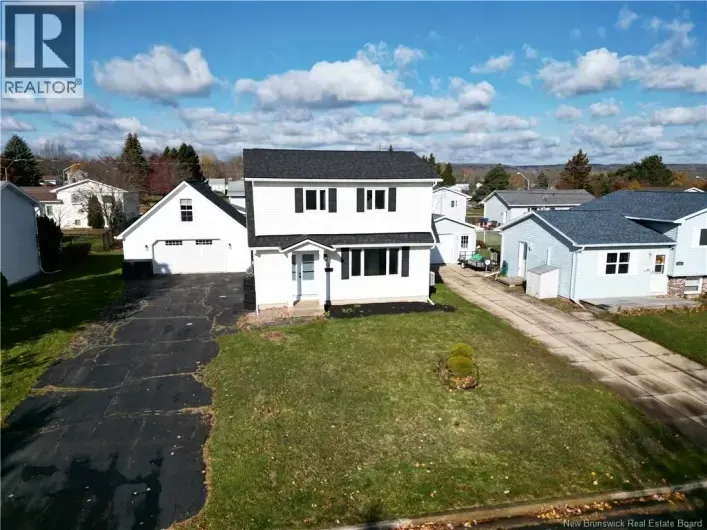
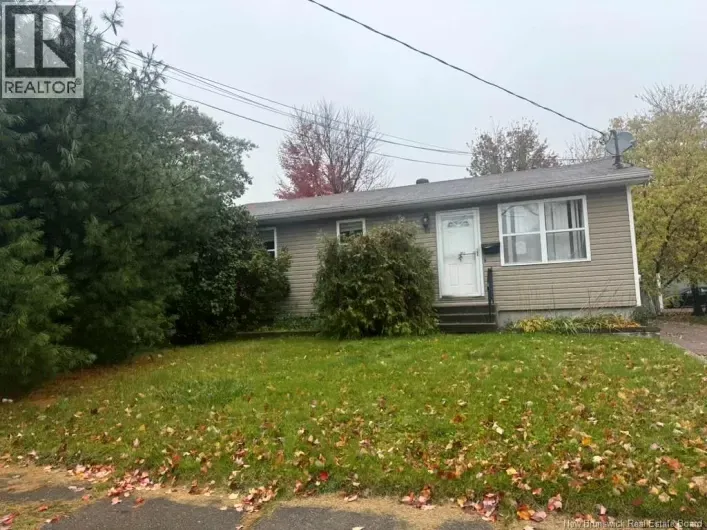
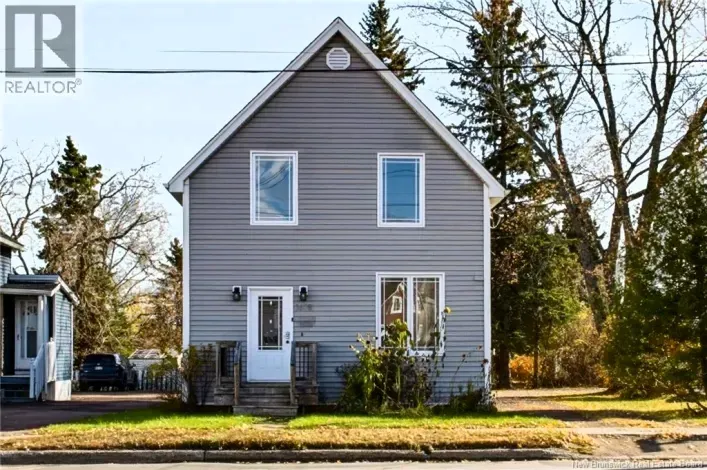
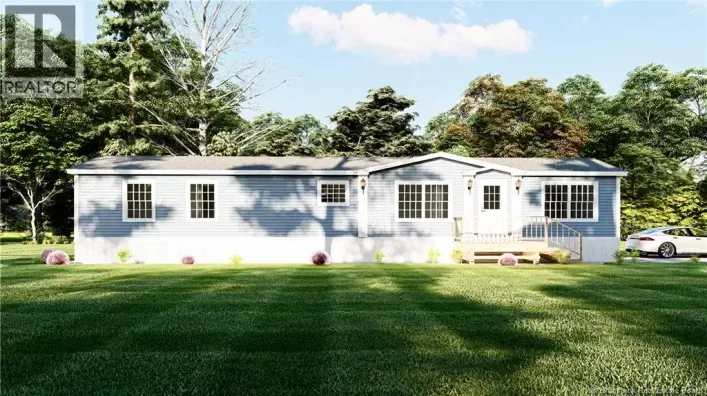
If your search turns up 13 Anne Street, 118 Cedar St, 295 Glencairn Ave, 16 Arden Street or 163 North Street, match the listing to the correct municipality and parcel identifier before drawing conclusions. An address search alone does not establish that a property is in Moncton, currently for sale or approved for the use shown in listing photos. KeyHomes.ca is a useful starting point for exploring listings and connecting with a licensed professional who can help verify property details.
Ask the municipal planning office to confirm the current zone, permitted uses and relevant development standards before committing to a secondary unit, addition or short-term rental. A finished basement is not necessarily an approved apartment. A conversion may require permits and work related to exits, fire separation or parking. Likewise, rules you encounter while researching six-bedroom houses in Ottawa or five-bedroom houses in Scarborough do not establish what Moncton allows. For short stays, verify any applicable municipal rules and provincial requirements, and obtain insurance that covers the intended use. Don’t rely on projected rental income to make the purchase work until those checks are complete.
Estimate Resale Potential and Carrying Costs
Searches for “3 bd homes for sale” can return houses with three bedrooms upstairs alongside properties where one bedroom is below grade. For resale, check whether the layout works for the buyers most likely to want the property. Three bedrooms on one level may appeal to families with young children, while a bedroom and full bath on the main floor can suit buyers who want fewer stairs. Use recent nearby sales with similar condition, lot size and layout rather than comparing asking prices alone.
Buyers relocating from markets where they’ve looked at three-bedroom houses in Vaughan or three-bedroom homes in Toronto should build a fresh budget rather than carry over assumptions about taxes and utilities. Request the latest property tax bill, confirm how owner-occupied or non-owner-occupied treatment would affect your costs, and check whether the current owner receives credits you may not qualify for. Budget for New Brunswick’s real property transfer tax, legal fees and inspections as well as the mortgage payment.
For an older home, ask for a year of heating bills and price near-term repairs before setting your offer ceiling. Whether you are comparing local homes or weighing the upkeep of five-bedroom properties in Etobicoke and four-bedroom houses in Oakville, a lower purchase price can lose its advantage if roofing, drainage and heating equipment all need attention in the first few years.
Use Seasonality to Improve Your Due Diligence
Spring often brings more listings and more competition, though the balance varies by year, price bracket and neighbourhood. Summer can shorten decision windows for households hoping to move before school starts. Winter may offer fewer choices, but it can reveal drafts, heating performance and where snow piles up. It can also hide roof defects, grading problems and standing water. Check recent sales and days on market before assuming a season gives you negotiating leverage.
Look up available flood mapping, especially for lower-lying properties near the Petitcodiac River or its tributaries, and ask about prior water entry, sump pumps and backwater valves. Get an address-specific insurance quote before waiving conditions. Sewer backup and overland flood coverage are not necessarily included. Regional comparisons such as four-bedroom homes in Dartmouth can help frame an Atlantic relocation, but insurance and drainage checks still need to be done for the individual property.
Assess Cottage and Investment Plans Separately
A three-bedroom home in Moncton can work as a year-round base for trips to Shediac and the Northumberland Strait. A cottage outside the city is a different purchase: confirm who maintains and plows the road, whether access is legally documented, and whether the property can operate through winter. For a private well and septic system, arrange water testing and a septic inspection, and check whether the system’s approved capacity matches the advertised bedroom count.
Speak with a lender early if a cottage has seasonal access, limited heating or non-standard construction. A lender may require a larger down payment or decline a property that does not meet its year-round occupancy criteria. Similarly, if you are comparing a Moncton rental with four-bedroom investment candidates in Brantford, model each using local rents, vacancy, taxes, insurance and maintenance. For a New Brunswick long-term rental, check current provincial tenancy rules before assuming when rent can be increased or when you can take possession of a tenanted property.